
This post may contain affiliate links. For educational purposes only, not medical advice. Details
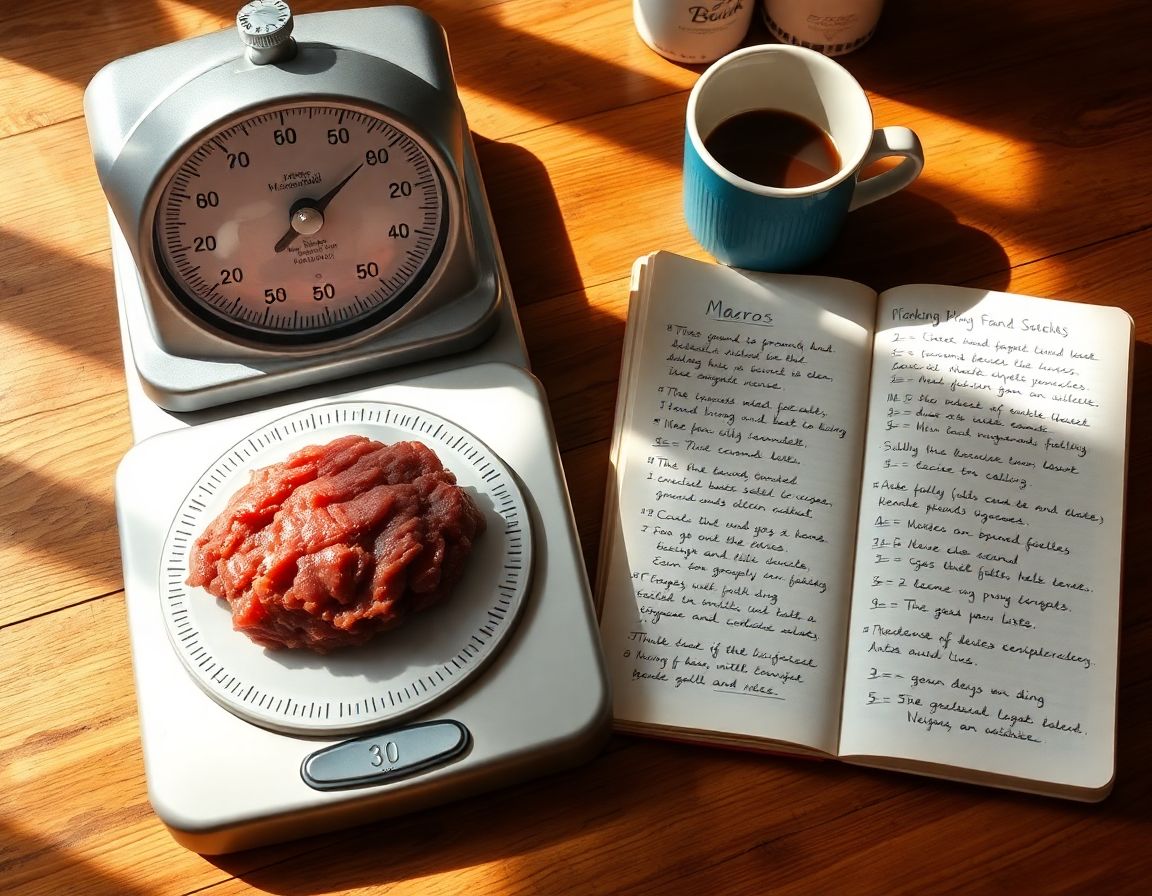
If you're a woman over 45 and you've tried carnivore with macros you found in some Facebook group, and the scale won't budge, I want you to hear this first: it's not you. From my experience coaching, the most common story I hear from women in this age group goes something like this. They ate the same way their husband did, he lost 20 pounds, and they lost 3. Then they blamed themselves.
The truth is, generic macro advice was never built for you. Most of the numbers floating around online were worked out from studies on younger men, then passed along as if they apply to everyone. They don't. Your body after 45 is running different math, and your macros need to reflect that.
Why Your Macro Needs Shift After 45
Three big things change in these years, and every one of them affects how much protein and fat you should be eating.
Muscle loss speeds up. Research suggests adults start losing muscle mass gradually from their 30s onward, and the pace tends to pick up around midlife. Less muscle means a lower resting metabolism, which means the calorie and protein targets that worked at 35 quietly stop working at 50. The fix isn't eating less. It's protecting the muscle you have, and that takes protein.
Hormones change the picture. Perimenopause and menopause shift estrogen and progesterone levels, and many women notice their bodies handle carbohydrates and store fat differently through this transition. Research in this area is still developing, so I'll qualify this carefully: the patterns aren't identical for every woman, but the shift is real for many. I wrote more about how hormones interact with a carnivore approach in my post on PCOS, hormones, and what actually helps, and a lot of it applies here too. And if you want the bigger picture beyond the numbers, I covered what actually changes on carnivore for women over 45 in an earlier post.
Metabolism slows, but not as much as you think. Here's what surprises most of my readers. The metabolic slowdown with age is more modest than the diet industry claims. What actually drops your calorie burn is the muscle loss and the fact that many of us move less at 50 than we did at 30. That's actually good news, because both of those are things you can do something about.
Why Generic Macro Advice Fails Women in This Group
Let me explain why the standard advice keeps letting you down.
- It assumes a bigger, younger body. A macro target built for a 30-year-old man who lifts weights four days a week will overshoot fat for a 52-year-old woman who works a desk job. You end up eating past your energy needs while being told "you can't overeat on carnivore." You can.
- It underestimates your protein floor. Older bodies appear to be less responsive to protein than younger ones. Research suggests we need more protein per meal after midlife, not less, to trigger the same muscle-building response. Generic advice often gets this exactly backwards.
- It ignores activity level. Most of the women who use our calculator describe themselves as mostly sedentary. That's not a judgment, it's a starting point. But it means the "eat fat to satiety" advice that works for a very active person can stall weight loss completely for someone at a desk all day.
Here's what I've seen work instead: numbers built around your actual age, weight, sex, and activity. If you want yours, our free carnivore calculator does exactly that. It takes about a minute, there's no cost, and you'll get a protein and fat target built for your body instead of somebody else's.
What a Realistic Protein Floor Looks Like
If you take one thing from this post, make it this: protein is the macro you defend, and fat is the macro you adjust.
For women over 45 aiming to lose weight while protecting muscle, I like to think in terms of a protein floor rather than a protein target. A common starting point in the coaching world is somewhere around 0.7 to 1 gram of protein per pound of your goal body weight, not your current weight. So a woman who weighs 205 pounds now, with a goal around 160, might land somewhere near 110 to 160 grams of protein a day depending on her build and activity.
Notice I said "might." Your situation might be different, which is why I keep pointing you toward personalized numbers rather than handing you mine.
What does that look like on a plate? Roughly speaking:
- A pound of ground beef gives you somewhere around 80 to 90 grams of protein, depending on the fat ratio
- Three eggs add about 18 grams
- A 6-ounce steak lands around 40 grams
Hit your protein floor first at every meal. Then let fat fill in your energy needs, more of it if you're active or still hungry, less if weight loss has stalled. This protein-first approach is also the backbone of holding onto muscle in a deficit, something Marcus covered well in his piece on cutting weight on carnivore without losing muscle. The principles apply just as much at 55 as they do at 30.
The Fat Question Nobody Answers Honestly
Fat isn't the enemy, and I'd never tell you to fear it. But I'll be honest with you in a way a lot of carnivore content isn't: if you're a smaller, mostly sedentary woman trying to lose weight, drowning everything in butter can hold you at a standstill.
Your body will happily burn dietary fat before it touches stored body fat. So during weight loss, many women do better choosing leaner cuts, trimming some of the added fats, and keeping fat moderate rather than maximal. Then, once you're at maintenance, fat can come back up. That's the "tool, not religion" part of how I coach. The rules serve you, not the other way around.
How to Get Your Personalized Numbers
You could work all of this out by hand. Estimate your resting metabolism, adjust for age and activity, set a protein floor from your goal weight, then back into a fat target. Or you can let the calculator do it in about a minute. It asks for your age, sex, weight, activity level, and goal, then gives you protein and fat targets you can actually cook from. It's free, and you don't need to be good at math to use it.
If you're curious how the numbers behind it were built, I broke down the methodology in this comparison of macro calculators for carnivore, keto, and low carb. I wanted readers to be able to check my work, because "trust me" isn't good enough when it's your health.
A Few Honest Expectations
Weight loss after 45 tends to be slower than the before-and-after photos suggest. From my experience coaching, half a pound to a pound a week is a genuinely good pace at this stage of life, and it's a pace that protects your muscle, your energy, and your sanity. Readers often report that the non-scale wins show up first: steadier energy, less joint stiffness, clearer thinking. Let those carry you through the weeks the scale sulks.
And if the scale stalls for more than three or four weeks, don't slash your food in a panic. Recheck your numbers first, because bodies change as they shrink. Your macros at 205 pounds aren't your macros at 180.
I'm not a doctor. I've researched this deeply and worked with many people, but I'm not your doctor. If you have health conditions, take medications, or need specific guidance, talk to someone who knows your full medical picture. Everything I write is educational based on research and what I've seen work. Your situation might be different.