
This post may contain affiliate links. For educational purposes only, not medical advice. Details
Does carnivore help with hot flashes?
A lot of women say yes. In the carnivore forums and Facebook groups I follow, "my hot flashes are gone" shows up over and over, usually somewhere between week four and month three. It's one of the most common unprompted reports from women over 45, right behind better joints and steadier energy.
But here's the honest version: there is no study on carnivore and hot flashes. None. Not one trial, not one observational paper. Everything we have is anecdote plus some reasonable guesses about mechanism. That doesn't mean the reports are fake. It means we're reading tea leaves, and you deserve to know that before you get your hopes up.
What's plausible, and why
Hot flashes and night sweats are what doctors call vasomotor symptoms. Your body's thermostat gets touchy as estrogen drops, and small things that never used to matter start triggering a flush. Blood sugar swings, alcohol, caffeine, spicy food, stress, and being warm at bedtime are all common triggers with real research behind them.
Look at that list again. A carnivore diet quietly removes most of it.
Blood sugar stability. There's decent evidence that glucose variability tracks with vasomotor symptoms. When you eat almost no carbohydrate, the peaks and crashes flatten out. If your flashes were partly riding those swings, fewer swings could mean fewer flashes. That's a mechanism, not a promise.
Alcohol and caffeine drop off. Most people who go carnivore cut way back on wine and often on coffee too, sometimes without meaning to. Both are well-documented triggers. This one might be doing more of the work than the meat is.
Body fat changes. Fat tissue is metabolically active and affects both heat regulation and hormone metabolism. Weight loss has been linked to improvement in vasomotor symptoms in menopausal women. Carnivore tends to produce weight loss, so some of the benefit may just be that.
Better sleep and less inflammation. Harder to measure, easy to feel. Women often report deeper sleep after the first month, and a night sweat that wakes you at 2 a.m. feels much worse than one you sleep through.
Research shows general patterns. Your body may respond differently based on your own hormone status, medications, and history.
Where the hype outruns the evidence
You'll see claims that carnivore "rebalances your hormones" or "reverses menopause symptoms at the root." I'd hold those loosely. Menopause isn't a deficiency you can eat your way out of. Your ovaries have retired, and no amount of ribeye is bringing them back.
There's also a real placebo effect here, and I don't say that as an insult. Symptom tracking gets more forgiving when you feel proud of what you're doing. People who start any new eating plan report improvement in the first weeks across almost every symptom category. Some of that holds. Some of it fades.
The women whose improvements seem to stick are usually the ones who were having a lot of blood sugar chaos beforehand, or who were drinking daily, or who had significant weight to lose. If none of those describe you, your results may be smaller.
The weeks two to three problem nobody warns you about
This is the part I want you to hear clearly, because it scares women off right before things get better.
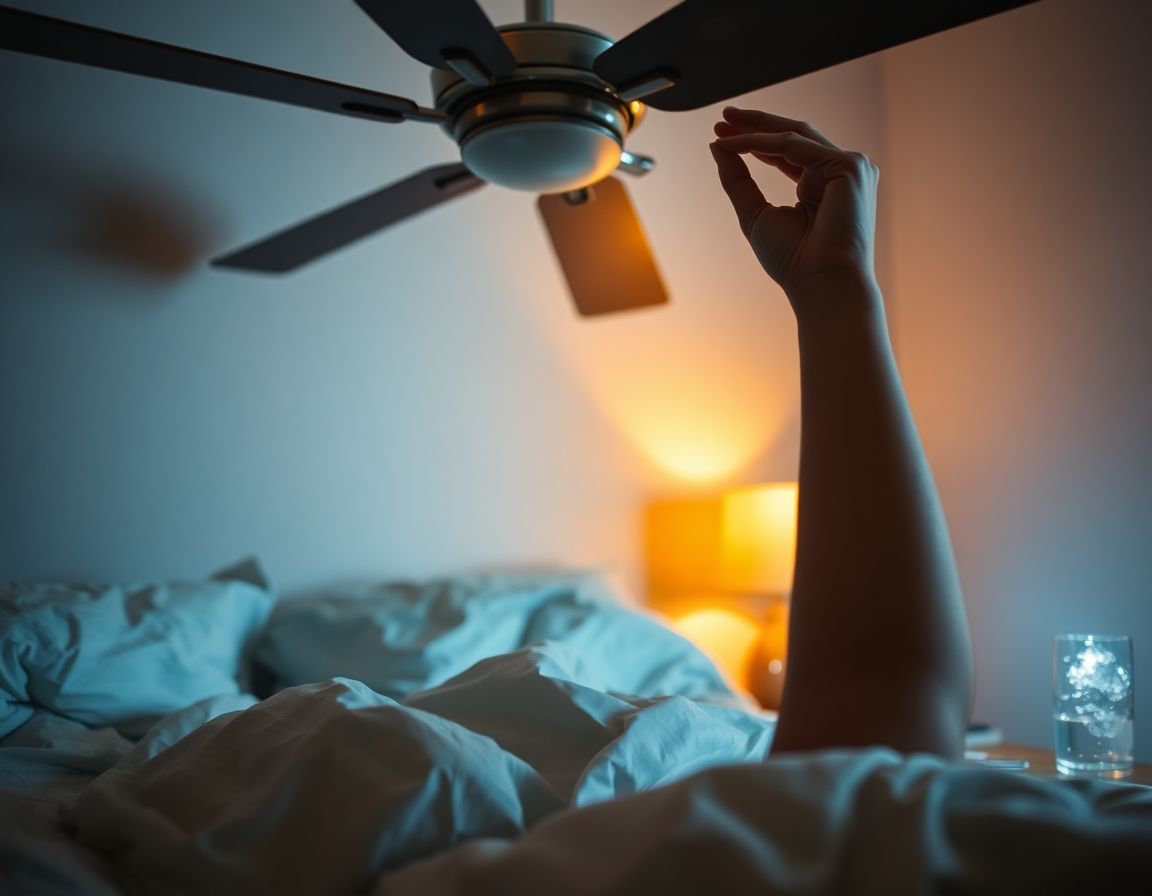
Around days ten to twenty-one, night sweats often get temporarily worse. Not menopausal ones. Different ones, from the metabolic transition itself.
Here's what's happening. As you shift to burning fat, your kidneys dump sodium and water. Potassium and magnesium go with it. Your body is also running warmer as it adapts. The result is drenching night sweats, sometimes waking you at the same time each night, often with a racing heart or that shaky, hollow feeling.
You can usually tell them apart. Adaptation sweats feel full-body and clammy, come with fatigue and muscle cramps, and cluster in a two to three week window before easing. Menopausal flashes tend to start in the chest and face, build to a wave of heat, and follow whatever pattern you already know.
The fix for the adaptation version is almost always electrolytes. More salt than feels normal, plus attention to potassium and magnesium. Electrolyte needs shift a lot in the first month, and they interact with blood pressure and heart medications. If you take anything for blood pressure, diuretics, or heart rhythm, check with your doctor before adding salt or supplements.
If you're on HRT
Stay on it. Please don't use "carnivore fixed my hormones" as a reason to stop.
Hormone therapy does things for bone density and cardiovascular risk that have nothing to do with how hot you feel at night. If your symptoms improve enough that you want to revisit your dose, that's a conversation with your prescriber, with your history in front of them. Medication use and diagnosed conditions require professional medical management. Don't alter your treatment plan based on general information.
What I'd actually track
Give it eight weeks before you decide anything, and write things down. Memory is a terrible instrument for this.
- Number of daytime flashes per day, just a tally mark
- Night wakings, and whether you were sweaty
- Alcohol and caffeine, since these confound everything
- Weight, monthly, not daily
- Anything that reliably sets one off
Two weeks in, when the night sweats spike, you'll have data instead of panic. Eight weeks in, you'll know whether this is working for you specifically, which matters a lot more than whether it worked for a stranger online.
One practical note. Underrating protein is common in this age group, and low protein makes the whole transition rougher. If you want a starting point for your numbers, we've got a free macro calculator. It's a starting point, not a prescription, and most women adjust from there.
The honest summary
Carnivore might reduce your hot flashes. The mechanisms are believable and the reports are consistent enough that I take them seriously. But we're working from anecdote, the effect probably comes mostly from what you removed rather than what you added, and the first three weeks may look like it's making things worse.
That's not a reason to skip it. It's a reason to go in with clear eyes and a notebook.
I'm not a doctor. I've researched this deeply and worked with a lot of women going through this, but I'm not your doctor. If you have health conditions, take medications, or are on hormone therapy, talk to someone who knows your full medical picture. Everything I write is educational, based on research and what I've seen work. Your situation might be different.