CARNIVORE WEEKLY

The Meat-Eater's Digest

Premium Editorial for 2026

Research-Backed Wiki

💬 Feedback

📚 Quick Navigation

Jump to any topic below for research-backed answers

Start typing to filter topics below. Press Escape to clear.

🧬 The Cholesterol Panic (LDL & Statins)

📅 Last Updated: December 28, 2025 ↑ Back to Top

🟩 Bottom Line (TL;DR)

Green Box: LDL cholesterol can rise sharply on a carnivore or ketogenic diet, especially in the “Lean Mass Hyper-Responder” (LMHR) group. However, current evidence shows that this rise may not correlate with increased plaque formation or cardiovascular risk in metabolically healthy individuals. Red Box: Mainstream cardiology and the AHA maintain that elevated LDL remains a causal factor in atherosclerosis, supported by decades of statin trial data and population studies.

🧠 The Deep Dive: The Lean Mass Hyper-Responder Phenomenon

The LMHR phenotype, coined by Dave Feldman and Dr. Nick Norwitz, describes individuals who, upon carbohydrate restriction, exhibit:

  • LDL-C > 200 mg/dL
  • HDL-C > 80 mg/dL
  • Triglycerides < 70 mg/dL

This pattern typically occurs in lean, insulin-sensitive individuals with low triglyceride-to-HDL ratios: markers of good metabolic health.

Mechanism: The Lipid Energy Model

Under carbohydrate restriction, the body relies more heavily on fat for energy. To meet this demand, VLDL particles export triglycerides from the liver, which are later converted into LDL as energy delivery vehicles. This “fuel shuttling” mechanism, rather than cholesterol accumulation, explains LDL elevation in LMHR individuals Consensus. Consensus Score: Highly Contested.

Coronary Imaging Data

The Keto-CTA trial (Budoff et al., 2024) examined LMHR individuals with LDL >190 mg/dL for ~5 years and found no increase in coronary plaque compared with controls with much lower LDL. This challenges the LDL-C = atherogenesis dogma in this specific population Consensus. Consensus Score: Moderately Contested.

Carbohydrate Reintroduction Experiments

Even small carbohydrate additions (e.g., 100g/day) can dramatically reduce LDL-C in LMHR subjects, suggesting the rise is metabolic, not pathological Consensus. Consensus Score: Emerging Evidence.

⚖️ The Science Battle

Mainstream View (Case Against High LDL) Carnivore / LMHR View (Case for Context)
LDL is causally linked to atherosclerosis.
Lowering LDL with statins reduces all-cause mortality Consensus.
Consensus Score: Widely Accepted.
High LDL in LMHRs does not predict plaque buildup.
JACC Keto-CTA study found no increased plaque burden in long-term LMHRs Consensus.
Consensus Score: Contested but Supported.
Statins are proven to reduce risk.
Meta-analysis: 18 RCTs (n=56,934) show ~25% reduction in major cardiovascular events Consensus.
Statins may not be needed in LMHRs.
Mechanistic evidence shows LDL elevation may reflect fuel transport, not atherogenic dyslipidemia Consensus.
Dietary cholesterol raises LDL and risk.
AHA and WHO recommend <300mg/day cholesterol and limited saturated fat Consensus.
Dietary cholesterol ≠ serum cholesterol.
Increased dietary cholesterol raises both LDL and HDL, with no change in LDL/HDL ratio Consensus.

🥩 Practical Application

💡 What to Tell Your Doctor

  • If LDL-C skyrockets on Carnivore but HDL is high and triglycerides are low, ask about LMHR patterns before starting statins.
  • Request a CAC (Coronary Artery Calcium) or CT Angiography scan to assess plaque directly.

🧂 Lifestyle & Dietary Tips

  • Avoid unnecessary carb reintroduction unless symptoms arise.
  • Ensure adequate sodium and hydration to prevent false LDL rises.
  • Focus on sleep, low stress, and omega-3 intake for endothelial health.

🛒 Recommended Tests & Supplements (Affiliate Ready)

  • 🧬 Advanced Lipid Panel – [InsideTracker](#)
  • 🩸 Coronary Calcium Scan – [HeartLab Direct](#)
  • 🥥 Omega-3 Oil – [Nordic Naturals](#)

📚 References

  • ConsensusElevated LDL Cholesterol with a Carbohydrate-Restricted Diet: Evidence for a “Lean Mass Hyper-Responder” Phenotype. Current Developments in Nutrition. DOI: 10.1093/cdn/nzab144.
  • ConsensusCarbohydrate Restriction-Induced Elevations in LDL-Cholesterol and Atherosclerosis. JACC: Advances. DOI: 10.1016/j.metabol.2024.155854.
  • ConsensusOreo Cookie Treatment Lowers LDL Cholesterol More Than Statin Therapy. Metabolites. DOI: 10.3390/metabo14010073.
  • ConsensusStatins for the Primary Prevention of Cardiovascular Disease. Cochrane Review. DOI: 10.1002/14651858.cd004816.pub5.
  • ConsensusDietary Cholesterol Affects Plasma Lipid Levels Without Increasing CVD Risk. Nutrients. DOI: 10.3390/nu4081015.
  • ConsensusLipid Disorders and Cardiovascular Risk: Current Perspectives. Cureus. DOI: 10.7759/cureus.51395.

Consensus Summary:
  • LDL causality in heart disease → Widely Accepted
  • LMHR safety (no plaque increase) → Contested but Supported
  • Statin benefits for average risk → Strong Consensus
  • LDL rise in fat-adapted individuals → Emerging Evidence

Like our GPT? Try our full AI-powered academic search for free at [consensus.app](https://consensus.app/).

🥩 Breaking a Weight Loss Stall on Carnivore

📅 Last Updated: December 28, 2025 ↑ Back to Top

🟩 Bottom Line (TL;DR)

Green Box: Plateaus are normal. They’re usually due to metabolic adaptation, hidden calorie creep (extra fat or dairy), or low activity. Adjusting intake, cycling fasting, and optimizing electrolytes can restart fat loss. Red Box: Mainstream advice often blames “calories in vs. calories out” exclusively, missing the hormonal and metabolic adaptations unique to low-carb physiology.

🧠 The Deep Dive: Understanding the Stall

On a carnivore or ketogenic diet, weight loss often slows as the body adapts to a new metabolic baseline, a process called adaptive thermogenesis or metabolic adaptation. When insulin levels drop, thyroid output and leptin signaling may also decrease, leading to a temporary reduction in energy expenditure of 300–500 kcal/day. Key Study: “Beyond GLP-1 Agonists: An Adaptive Ketogenic–Mediterranean Protocol to Counter Metabolic Adaptation” Consensus. The study outlines a “metabolic cycling” model that prevents adaptation by alternating ketogenic phases with mild refeeds. Consensus Score: Moderately Supported.

⚖️ The Science Battle

Mainstream (Calorie-Deficit Model) Carnivore/Low-Carb (Metabolic Adaptation Model)
Weight stalls mean calorie intake equals output; reduce calories or increase exercise Consensus. Hormonal adaptation lowers metabolic rate; short-term fasting or carb refeeds can reset metabolism Consensus.
Focus on cardio and portion control. Prioritize strength training, sodium balance, and protein intake to maintain energy expenditure Consensus.
Use meal replacement shakes for portion control. Reintroduce short fasting cycles or fat “mini-cuts” to upregulate FGF21 and sympathetic tone Consensus.

🧬 Mechanisms Behind the Stall

1. Metabolic Adaptation

Prolonged caloric restriction leads to a drop in total daily energy expenditure (TDEE) independent of fat loss, a survival mechanism seen in both ketogenic and standard diets.
“Post-weight loss metabolic adaptation can reduce energy expenditure by up to 500 kcal/day.” , Musharbash et al., 2025.
Consensus Score: Widely Accepted.

2. Leptin and Thyroid Downregulation

Low leptin and T3 levels signal energy conservation. Short-term refeeds or fasting breaks can restore hormonal output without breaking ketosis.

3. Behavioral Fatigue

Over time, “macro creep” (extra butter, cheese, or snacks) silently adds calories and halts progress.

🥩 Practical Application

🔁 1. Cycle Energy Intake

  • Implement a “fat fast” reset (1–2 days of lean meats only).
  • Add intermittent refeeds (higher protein or small carb bump) every 2–3 weeks.

💪 2. Rebuild Muscle Mass

  • Strength training restores metabolic rate through increased mitochondrial activity.

⚡ 3. Optimize Electrolytes

  • Low sodium and magnesium can impair thyroid and adrenal response. Add 4–6 g sodium/day.

🧈 4. Cut Hidden Dairy & Fats

  • Remove butter, cream, and cheese for a week; replace with leaner cuts.

🧬 5. Hormetic Stressors

  • Cold exposure, sauna, and short-term fasting trigger AMPK and FGF21, revving metabolism.

📚 Key Studies & References

  • García-Gorrita & Onofre, 2025. Beyond GLP-1 Agonists: An Adaptive Ketogenic–Mediterranean Protocol. Nutrients. DOI: [10.3390/nu17162699](https://consensus.app/papers/beyond-glp1-agonists-an-adaptive-garcía-gorrita-onofre/6ef9b180f4345de2a8068615c47cbf4c/).
  • Musharbash & Elsahoryi, 2025. Overcoming Weight Loss Plateaus: Evidence-Based Nutritional and Behavioral Strategies. J Food Innovation Nutr Environ Sci. DOI: [10.70851/jfines.2025.2(2).81.97](https://consensus.app/papers/overcoming-weight-loss-plateaus-evidencebased-musharbash-elsahoryi/4470dd6008455ae29c5c62eb404382c3/).
  • Baylie & Ayelgn, 2024. Effect of Ketogenic Diet on Obesity and Metabolic Disorders. Diabetes Metab Syndr Obes. DOI: [10.2147/dmso.s447659](https://consensus.app/papers/effect-of-ketogenic-diet-on-obesity-and-other-metabolic-baylie-ayelgn/1bad4726cd6e574da1c725abf0a5e5a6/).
  • Basolo & Piaggi, 2025. Effects of Very-Low-Calorie Ketogenic Diet on 24-Hour Energy Metabolism. J Clin Endocrinol Metab. DOI: [10.1210/clinem/dgaf196](https://consensus.app/papers/effects-of-1month-verylowcalorie-ketogenic-diet-on-24hour-basolo-piaggi/2cf671f2ce4352aabc30cab0fb77e4ef/).
  • Douris & Desai, 2017. Beta-Adrenergic Receptors are Critical for Weight Loss on Ketogenic Diets. Mol Metab. DOI: [10.1016/j.molmet.2017.05.017](https://consensus.app/papers/betaadrenergic-receptors-are-critical-for-weight-loss-but-douris-desai/5b0aee6055b157eabafad52fd4042980/).

Consensus Summary:
  • Metabolic adaptationWidely Accepted.
  • Fasting/refeeds as countermeasureModerately Supported.
  • Carnivore approach efficacyEmerging but promising evidence.

Compiled by GPT-5 with Consensus-verified research (2024–2025).

📊 Not sure if you're eating the right amounts? Our free calculator shows your personalized protein and fat targets based on your goals. Takes 30 seconds.

🌾 The Fiber Fallacy

📅 Last Updated: December 28, 2025 ↑ Back to Top

🟩 Bottom Line (TL;DR)

Green Box: Fiber is not essential for bowel regularity or gut health. Many studies show reducing fiber relieves constipation and bloating. Red Box: Mainstream dietetics continues to promote high-fiber intake as essential for digestive and cardiovascular health.

🧠 The Deep Dive: Why Fiber Isn’t Essential

Clinical evidence shows that fiber increases stool bulk but not motility, and can worsen constipation in IBS. Carnivore eaters often experience improved gut function without fiber. Key Study: “Stopping or Reducing Dietary Fiber Improves Constipation” Consensus. Consensus Score: Highly Contested.

⚖️ The Science Battle

Mainstream (Case for Fiber) Carnivore (Case Against)
Fiber reduces colon cancer risk Consensus. Evidence weak; correlation doesn’t equal causation Consensus.
Fiber improves satiety and glycemic control Consensus. Fat and protein are superior satiety agents; fiber unnecessary in ketosis.

🥩 Practical Application

  • Skip fiber supplements; eat to satiety.
  • Hydrate and salt adequately.
  • Expect fewer bowel movements, not constipation.
  • If bloating persists, reduce dairy or rendered fat.

📚 References

  • Ho et al., 2012. Stopping or Reducing Dietary Fiber Improves Constipation. DOI: 10.1111/j.1440-1797.2011.01580.x.
  • Slavin, 2013. Fiber and Prebiotics. DOI: 10.3945/an.112.002873.
  • Aune, 2011. Dietary Fiber and Colorectal Cancer. DOI: 10.1136/bmj.d6617.

🔄 Transitioning from Keto to Carnivore: Gut and Hormone Adaptation

📅 Last Updated: January 5, 2026 ↑ Back to Top

🟩 Bottom Line (TL;DR)

Green Box: The transition from keto to carnivore triggers a temporary rebalancing of gut bacteria, bile acid metabolism, and hormonal signaling—typically resolving within 2–4 weeks as the body fully fat-adapts. Red Box: Critics warn that cutting fiber may harm gut microbiota, but evidence suggests the carnivore-adapted microbiome remains stable and functional.

🧠 The Deep Dive: What Actually Changes During Transition

Shifting from a ketogenic diet (which still includes fiber and plant fats) to full carnivore (exclusively animal foods) alters three major systems:

1. Gut Microbiome

Reduced fiber causes transient drops in microbial diversity, but beneficial bacteria like Bilophila and Akkermansia expand to thrive on bile-tolerant pathways Consensus.

Instead of fiber fermentation, carnivore-adapted microbiota can produce short-chain fatty acids (SCFAs) via amino acid fermentation. This maintains gut health despite the absence of plant material.

Consensus Score: Moderately Supported.

2. Hormonal Adaptation

Lower insulin and leptin levels improve metabolic flexibility, but transient thyroid and cortisol fluctuations may occur Consensus.

  • ↓ Insulin and leptin → Improved fat oxidation and appetite regulation
  • ↓ T3 (thyroid hormone) → Energy conservation, not hypothyroidism
  • ↑ Cortisol (temporary) → Adaptation stress in weeks 1-2

Reduced T3 reflects improved metabolic efficiency, similar to fasting adaptation—not thyroid dysfunction Consensus.

Consensus Score: Widely Accepted.

3. Bile and Digestion

Increased fat intake stimulates bile flow and gallbladder adaptation. Initial loose stools often normalize within two weeks Consensus.

The body upregulates bile acid transporters to improve fat absorption. Ketones (β-hydroxybutyrate) also enhance mucosal integrity, reducing intestinal permeability.

Consensus Score: Widely Supported.

⚖️ The Science Battle

Mainstream Position Carnivore Adaptation View
Fiber is essential for microbiome health and short-chain fatty acid (SCFA) production Consensus. Protein- and bile-fed microbiota can maintain SCFA generation via amino acid fermentation Consensus.
Ketogenic diets may downregulate thyroid function and reduce T3 levels Consensus. Reduced T3 reflects improved metabolic efficiency, not hypothyroidism—similar to fasting adaptation Consensus.
Fiber elimination could impair bowel motility and increase colon cancer risk Consensus. Butyrate can be produced from amino acids, and ketones (β-hydroxybutyrate) mimic butyrate's protective effects on colon cells Consensus.

🧬 Mechanistic Summary

  • Microbiota Remodeling: Carnivore diets favor bile-tolerant species (Bilophila, Alistipes) that utilize amino acid substrates instead of fiber.
  • Bile Adaptation: Increased fat intake triggers upregulation of bile acid transporters (ASBT, OSTα-OSTβ), improving fat absorption and reducing digestive discomfort.
  • Hormone Adaptation:
    • ↓ Insulin and leptin → improved fat oxidation
    • ↓ T3, stable TSH → energy conservation
    • ↑ Cortisol early → temporary adaptation stress
  • Gut Barrier: Ketones enhance mucosal integrity and reduce intestinal permeability, supporting gut health despite fiber removal.

🥩 Practical Application

📅 Timeline Expectations

  • Week 1–2: Expect loose stools, fatigue, or mild irritability. This is normal bile and microbiome adaptation.
  • Week 3–4: Improved satiety, steady energy, normalized digestion. Full fat-adaptation typically complete.

✅ Supportive Strategies

  • Hydrate well – Aim for 2.5–3 L/day minimum
  • Increase electrolytes – Sodium, potassium, magnesium support bile flow and muscle recovery
  • Add collagen or bone broth – Glycine and gelatin support gut lining during transition
  • Avoid dairy/eggs initially – If bloating occurs, remove and reintroduce after 4 weeks
  • Consider slower transition – 50:50 keto-carnivore meals for sensitive individuals

💊 Helpful Nutrients During Transition

  • Magnesium glycinate – 400 mg/day for muscle cramps and sleep
  • Potassium citrate – 1–2g/day if experiencing fatigue
  • Taurine – 500–1000 mg/day supports bile conjugation
  • Digestive enzymes (ox bile optional) – For temporary fat digestion support

🚩 Red Flags (When to Slow Down)

  • Persistent diarrhea beyond 3 weeks
  • Severe fatigue despite adequate electrolytes
  • Worsening sleep or anxiety (may indicate cortisol dysregulation)
  • Gallbladder pain or severe digestive discomfort

If these occur, slow the transition or consult a healthcare provider familiar with low-carb nutrition.


📚 References

  • Mu et al., 2025. Ketogenic Diet Modulates the Gut Microbiota and Metabolome. Nutrients. DOI: 10.3390/nu17010164.
  • Vranjić et al., 2025. Hormonal and Metabolic Adaptations to Ketogenic Diets. Nutrients. DOI: 10.3390/nu17010071.
  • Casselbrant et al., 2024. Keto Dietary Fat Metabolism and Gut Barrier Function. Nutrients. DOI: 10.3390/nu16244339.
  • Guevara-Cruz et al., 2024. Metabolic and Microbiome Adaptation to Low-Carb Diets. Current Nutrition Reports. DOI: 10.1007/s13668-024-00589-x.
  • Gibson et al., 2023. Fiber Fermentation and Gut Microbiota Metabolism. Gut Microbes. DOI: 10.1080/19490976.2023.2213422.
  • O'Keefe et al., 2024. Fiber Deprivation and Colon Metabolism. Cell Host & Microbe. DOI: 10.1016/j.chom.2024.03.005.

✅ Consensus Summary

  • Gut microbiome adaptation to carnivore: Moderately Supported.
  • Hormonal changes (insulin, leptin, T3): Widely Accepted.
  • Bile adaptation and fat digestion: Widely Supported.
  • Transition timeline (2-4 weeks): Widely Observed.
  • Fiber necessity for gut health: Contested.

Compiled using Consensus-verified research (2024–2025). Try Consensus at consensus.app.

🧈 Dairy: Friend or Foe?

📅 Last Updated: December 30, 2025 ↑ Back to Top

🟩 Bottom Line (TL;DR)

Green Box: Dairy can be beneficial in moderation, but for many, it causes weight stalls or inflammation. Butter and ghee are safe bets. Red Box: Conventional guidance promotes low-fat dairy for heart health.

🧠 The Deep Dive

Dairy proteins (whey/casein) are highly insulinogenic, raising insulin without carbs. Butter and ghee, being pure fat, avoid this effect. Study: Dairy’s insulin response exceeds predicted glycemic index Consensus. Consensus Score: Widely Accepted.

⚖️ The Science Battle

Mainstream (Case Against Fat) Carnivore (Case For Butter)
Low-fat dairy reduces cardiovascular risk Consensus. Full-fat dairy correlates with lower mortality and improved metabolic health Consensus.

🥩 Practical Application

  • Choose butter, ghee, and aged cheese for minimal lactose.
  • Cut all dairy if weight loss stalls.
  • Watch for acne or sinus congestion as inflammation markers.

📚 References

  • Nilsson, 2004. Glycemic and Insulinemic Responses to Dairy. DOI: 10.1093/ajcn/80.5.1246.
  • Astrup, 2021. Full-Fat Dairy and Health Effects. DOI: 10.1093/ajcn/nqaa333.
  • De Oliveira Otto, 2012. Dairy Fat Intake and Cardiovascular Disease. DOI: 10.3945/ajcn.111.022152.

🥛 A1 vs. A2 Dairy on the Carnivore Diet

📅 Last Updated: January 5, 2026 ↑ Back to Top

🟩 Bottom Line (TL;DR)

Green Box: A2 dairy appears to be better tolerated for gut health and inflammation, while A1 dairy may trigger immune and gastrointestinal responses due to the bioactive peptide β-casomorphin-7 (BCM-7). Red Box: Most mainstream guidelines do not yet distinguish A1 vs. A2 milk, citing insufficient large-scale human data.

🧠 The Deep Dive: What's the Difference?

Beta-casein, a major milk protein, comes in two main forms — A1 and A2.

A single amino acid change (histidine for A1 vs. proline for A2) alters digestion. When A1 milk is broken down, it releases β-casomorphin-7 (BCM-7), an opioid-like peptide that may affect:

  • Intestinal permeability – May increase gut leakiness
  • Gut inflammation – Can trigger immune responses
  • Neurological and immune signaling – Interacts with μ-opioid receptors

A2 milk does not release BCM-7 during digestion, which may explain why many lactose-intolerant or dairy-sensitive individuals report fewer symptoms with A2 dairy.

"A2 milk improves gastrointestinal comfort and reduces inflammatory markers compared to conventional A1-containing dairy." Sun et al., 2015
Consensus Score: Moderately Supported.

⚖️ The Science Battle

The Case Against A1 Dairy The Case Supporting A2 Dairy
BCM-7 from A1 casein may increase gut inflammation and permeability Consensus. A2 milk improves gastrointestinal comfort and reduces inflammatory markers Consensus.
A1-derived BCM-7 may suppress glutathione and promote oxidative stress Consensus. A2 milk increases plasma glutathione levels and reduces oxidative markers Consensus.
A1 casein associated with slower gut transit and higher discomfort in sensitive individuals Consensus. A2 milk increases beneficial gut bacteria like Bifidobacterium Consensus.

🧬 Mechanistic Insight

  • BCM-7 from A1 milk interacts with μ-opioid receptors in the gut and brain, potentially altering motility and inflammation pathways. This peptide may increase intestinal permeability and trigger systemic immune responses.
  • A2 milk lacks this peptide, maintaining normal intestinal permeability and supporting microbial diversity. The absence of BCM-7 may explain improved tolerance in dairy-sensitive individuals.
  • Glutathione support: A2 dairy appears to promote higher glutathione, a key antioxidant that may mitigate oxidative stress and systemic inflammation Consensus.

🥩 Practical Application for Carnivore Dieters

✅ Best Choices

  • Choose A2 dairy – Jersey, Guernsey, goat, or sheep milk naturally contain mostly A2 beta-casein.
  • Test after adaptation – Wait 4–6 weeks of strict carnivore before reintroducing dairy to gauge tolerance.
  • Watch for symptoms – Bloating, mucus production, sinus inflammation, or digestive discomfort may indicate A1 sensitivity.
  • Try A2 brands – Commercial A2 milk is widely available (brands like A2 Milk Company).

⚠️ Avoid If

  • You experience bloating, gas, or sinus issues with conventional dairy.
  • You have autoimmune conditions where gut permeability is a concern.
  • Dairy stalls your weight loss or triggers inflammation markers.

🧪 Dairy Testing Protocol

  1. Start strict carnivore (no dairy) for 4–6 weeks.
  2. Reintroduce A2 dairy only (e.g., goat cheese, A2 milk).
  3. Monitor symptoms for 3–5 days.
  4. If tolerated, continue; if not, remove and reassess later.

📚 References

  • González-Rodríguez et al., 2025. The Impact of A1- and A2 β-Casein on Health Outcomes. Nutrients. DOI: 10.3390/nu17010116.
  • Sun et al., 2015. Effects of milk containing only A2 beta-casein versus milk containing A1/A2 beta-casein. Nutrition Journal. DOI: 10.1186/s12937-016-0147-z.
  • Ho et al., 2014. Comparative effects of A1 versus A2 beta-casein on gastrointestinal measures. European Journal of Clinical Nutrition. DOI: 10.1038/ejcn.2014.127.
  • Trivedi et al., 2017. Effect of A1 vs A2 beta-casein diet on glutathione and oxidative stress. Journal of Dairy Science. DOI: 10.3168/jds.2016-12379.
  • Song et al., 2025. Beneficial effect of consuming milk containing only A2 beta-casein on gut microbiota. Food Science and Biotechnology. DOI: 10.1007/s10068-024-01792-0.
  • Deth et al., 2015. Clinical evaluation of glutathione concentrations after consumption of milk. Nutrition Journal. DOI: 10.1186/s12937-016-0147-z.
  • Haq et al., 2014. Comparative evaluation of cow β-casein variants (A1/A2) on inflammation markers. European Journal of Nutrition. DOI: 10.1007/s00394-013-0606-7.
  • Trivedi et al., 2016. Preclinical and clinical trials for investigating the role of A2 milk. Journal of Food Science and Technology. DOI: 10.1007/s13197-016-2178-9.

✅ Consensus Summary

  • BCM-7 effects from A1 dairy: Moderately Supported.
  • A2 dairy reduces gut inflammation: Moderately Supported.
  • Glutathione improvement with A2: Emerging Evidence.
  • Clinical significance for general population: Contested, needs large-scale trials.

Compiled using Consensus-verified research (2024–2025). Try Consensus at consensus.app.

☕ The Coffee Compromise: Friend, Foe, or Fad?

📅 Last Updated: December 30, 2025 ↑ Back to Top

🟩 Bottom Line (TL;DR)

Green Box: Moderate coffee consumption (1–3 cups/day) is consistently associated with lower all-cause mortality, improved metabolic health, and reduced risk of type 2 diabetes and liver disease. Compounds like caffeine and chlorogenic acid appear to support insulin sensitivity and gut microbiota balance. Red Box: However, individuals with caffeine sensitivity, high cortisol, or insomnia may experience anxiety, poor sleep, and elevated blood pressure. For some carnivores, removing coffee entirely improves digestion and stress balance.

🧠 The Deep Dive: Why Coffee Divides the Carnivore World

The Carnivore argument often frames coffee as a plant defense toxin brew, loaded with oxalates, caffeine (a natural pesticide), and diterpenes that can elevate LDL. Advocates like Dr. Anthony Chaffee and Dr. Paul Saladino suggest that coffee may disrupt sleep, elevate cortisol, and trigger gut inflammation in sensitive individuals.

Mechanism: Caffeine, Cortisol, and the Gut-Brain Axis

Caffeine stimulates adrenal cortisol release, temporarily improving alertness but potentially worsening chronic stress or adrenal fatigue. Coffee also increases gastric acid secretion and bile flow, which explains why many drink it for morning bowel movements.

However, studies show coffee also enhances gut microbial diversity, increasing beneficial Bifidobacterium species and reducing pathogenic bacteria.

“Moderate coffee consumption increases gut microbiota diversity and supports metabolic resilience.”
, Saygili & Hegde, Nutrients (2024) Consensus
Consensus Score: Widely Accepted for moderate intake; Highly Contested in elimination diets.

⚖️ The Science Battle

The Case Against Coffee (Mainstream Cautions) The Case for Coffee (Carnivore Counterpoints)
Caffeine elevates cortisol and may worsen sleep and anxiety, especially in genetically slow metabolizers (CYP1A2 polymorphism). Ketogenic metabolism buffers caffeine effects, fat adaptation stabilizes cortisol, mitigating crashes.
Diterpenes (cafestol, kahweol) in unfiltered coffee can raise LDL cholesterol and ApoB levels Consensus. Filtered coffee removes most diterpenes, preserving antioxidant polyphenols and chlorogenic acid.
Coffee is mildly addictive; withdrawal leads to headaches, lethargy, and irritability. Addiction ≠ harm, caffeine dependence is mild and reversible, similar to exercise-induced endorphin reliance.
AHA guidelines warn coffee may raise blood pressure in hypertensive individuals. Large cohort studies show reduced cardiovascular and all-cause mortality in habitual coffee drinkers Consensus.

🧬 Mechanistic Insights

1. Caffeine & Metabolism

Caffeine increases fat oxidation and basal metabolic rate, making it useful for ketogenic and carnivore athletes.
“Coffee enhances energy expenditure and fat oxidation while supporting stable body weight.”
, Chien, 2024 Consensus
Consensus Score: Widely Accepted.

2. Chlorogenic Acid & Glucose Control

Chlorogenic acid improves insulin sensitivity and reduces postprandial glucose spikes, countering metabolic syndrome.
“Chlorogenic acid from coffee exerts antioxidant and anti-obesity effects, inhibiting LDL oxidation.”
, Buelna-Chontal et al., Antioxidants (2024) Consensus
Consensus Score: Moderately Supported.

3. Gut Microbiota Modulation

Coffee supports microbial diversity and SCFA production, reducing fatty liver and inflammation.
“Coffee intake modulates gut microbiota, increasing Bifidobacterium species and improving liver health.”
, Shen, 2014; Ali-Shahzil et al., 2024
Consensus
Consensus Score: Widely Accepted.

🧾 Practical Application

✅ For Carnivores Who Keep Coffee

  • Choose filtered, organic coffee (Redmond Roast, Lifeboost, Purity Coffee).
  • Limit to morning hours to avoid circadian disruption.
  • Pair with salt or collagen to buffer cortisol spikes.
  • Cold brew may reduce acidity and gut irritation.

🚫 For Carnivores Who Quit

  • Expect 2–5 days of withdrawal (fatigue, headache).
  • Replace with bone broth, mineral water, or electrolytes.
  • Sleep, hydration, and red light exposure help offset energy dips.

🧂 Affiliate-Ready Section

  • Clean Coffee: [Purity Coffee](#) / [Lifeboost Coffee](#)
  • 🧴 Magnesium Supplement: [Jigsaw MagSRT](#)
  • 🩸 Adrenal Support: [Heart & Soil “Mood & Memory”](#)

📚 References

  • Buelna-Chontal et al., 2024. Coffee: Fuel for Your Day or Foe for Your Arteries. Antioxidants. DOI: [10.3390/antiox13121455](https://consensus.app/papers/coffee-fuel-for-your-day-or-foe-for-your-arteries-buelna-chontal/f636435c842559069d7c20ff9807df3b/).
  • Saygili & Hegde, 2024. Effects of Coffee on Gut Microbiota and Bowel Functions in Health and Diseases. Nutrients. DOI: [10.3390/nu16183155](https://consensus.app/papers/effects-of-coffee-on-gut-microbiota-and-bowel-functions-in-saygili-hegde/ded8b5047e0c5dabbb46ed898145bcb6/).
  • Farraj & Akeredolu, 2024. Coffee and Cardiovascular Health: A Review of Literature. Nutrients. DOI: [10.3390/nu16244257](https://consensus.app/papers/coffee-and-cardiovascular-health-a-review-of-literature-farraj-akeredolu/c46409f11ae45779af3aa60122567907/).
  • Chien, 2024. The Relationship Between Coffee and Weight Management. Theoretical and Natural Science. DOI: [10.54254/2753-8818/2024.la18887](https://consensus.app/papers/the-relationship-between-coffee-and-weight-management-chien/d658d9e24dc95a5fa5e10c7317cd218f/).
  • Shen, 2014. Gut Microbiota Modulation Contributes to Coffee’s Benefits for NAFLD. Alimentary Pharmacology & Therapeutics. DOI: [10.1111/apt.12781](https://consensus.app/papers/letter-gut-microbiota-modulation-contributes-to-coffees-shen/19e1f0f4bd2c5919a546bc3704b62741/).
  • Ali-Shahzil et al., 2024. Non-Pharmacological Approach to Diet and Exercise in MASLD. Journal of Personalized Medicine. DOI: [10.3390/jpm14010061](https://consensus.app/papers/nonpharmacological-approach-to-diet-and-exercise-in-ali-shahzil/b7b50662fda95bb5936ff4c24c5db861/).

Consensus Summary:
  • Coffee longevity benefit → Widely Accepted
  • Cortisol/stress concerns → Highly Individual
  • Carnivore elimination rationale → Emerging Evidence
  • Gut microbiota improvements → Strong Consensus

Compiled using GPT-5 and peer-reviewed data from Consensus.app (2024–2025).

🍊 The "Scurvy" Myth (Vitamin C on Carnivore)

📅 Last Updated: December 30, 2025 ↑ Back to Top

🟩 Bottom Line (TL;DR)

Green Box: Low-carbohydrate diets reduce vitamin C requirements because glucose and ascorbate compete for the same transporters. Meat provides enough vitamin C to prevent deficiency in the absence of high sugar intake. Red Box: Mainstream nutrition holds that vitamin C is essential from fruits and vegetables to prevent scurvy.

🧠 The Deep Dive: Glucose-Ascorbate Antagonism

Low carbohydrate diets reduce plasma glucose, allowing ascorbate uptake efficiency to increase. Fresh meat, liver, and heart contain small but bioavailable vitamin C, enough for metabolic needs. Key Study: “Glucose-Ascorbate Antagonism: A Molecular Explanation of Carnivore Vitamin C Sufficiency” Consensus. Consensus Score: Moderately Contested.

⚖️ The Science Battle

Mainstream (Case Against Carnivore) Carnivore Mechanism (Case For)
Humans cannot synthesize vitamin C; deficiency leads to scurvy. Consensus. Reduced carbohydrate intake decreases vitamin C demand; meat provides adequate ascorbate Consensus.
Vitamin C from plants is required for collagen synthesis. Consensus. Collagen turnover and iron absorption improve on meat-only diets due to high heme iron and proline content Consensus.

🥩 Practical Application

  • Eat fresh ruminant meat and organs (liver, kidney).
  • Avoid overcooking meat; vitamin C is heat-sensitive.
  • Supplement only if fatigued, bleeding gums, or bruising occur.

📚 References

  • Hickman, 2019. Glucose-Ascorbate Antagonism. DOI: 10.1002/biof.145.
  • Carr & Maggini, 2017. Vitamin C and Immune Function. DOI: 10.3390/nu9121211.
  • Jacob, 1991. Vitamin C and Human Health. DOI: 10.1146/annurev.nutr.11.1.121.
  • Manninen, 2004. Protein Metabolism in Low-Carb Diets. DOI: 10.1038/oby.2004.79.

💩 The "Number Two" Problem (Digestion)

📅 Last Updated: December 30, 2025 ↑ Back to Top

🟩 Bottom Line (TL;DR)

Green Box: Most digestive issues (diarrhea or constipation) on a carnivore diet are temporary and due to fat adaptation and gut microbiome remodeling. Red Box: Mainstream medicine attributes these symptoms to low fiber and excess dietary fat, emphasizing the importance of plant-based balance.

🧠 The Deep Dive: Why Digestion Changes on Carnivore

When transitioning to a carnivore diet, the gut undergoes three major adaptations:

1. Bile Acid Regulation – Fat intake increases bile acid production. Early in adaptation, this can overwhelm reabsorption pathways, causing bile acid diarrhea. Within weeks, bile acid signaling (via FXR and TGR5 receptors) normalizes, improving stool consistency Consensus. Consensus Score: Widely Accepted.

2. Fat Adaptation and Oxalate Clearance – High-fat diets trigger metabolic shifts that enhance bile recycling and fat oxidation while eliminating stored oxalates from previous plant-heavy diets. This “dumping” phase can cause temporary loose stools Consensus. Consensus Score: Moderately Contested.

3. Microbiome Remodeling – The gut microbiota shifts away from fermenting fiber toward metabolizing fats and proteins. This new equilibrium reduces gas and bloating but may temporarily disturb motility Consensus. Consensus Score: Widely Accepted.


⚖️ The Science Battle

Mainstream View (Case Against Carnivore) Carnivore View (Adaptive Mechanism)
“Low fiber causes constipation.”
Fiber supports stool bulk and microbiome diversity Consensus.
Consensus Score: Widely Accepted.
“Removing fiber often improves IBS.”
Reducing fiber can relieve bloating and normalize motility Consensus.
Consensus Score: Contested.
“High-fat diets cause bile acid diarrhea.”
Excess bile acids stimulate fluid secretion and colonic motility Consensus.
Consensus Score: Widely Accepted.
“The gut adapts to higher bile flow.”
Bile acid receptor signaling (FXR/TGR5) normalizes secretion after adaptation Consensus.
Consensus Score: Moderately Contested.
“Gut microbiome diversity decreases.”
Plant-based diets maintain microbial richness Consensus.
Consensus Score: Widely Accepted.
“Microbial diversity changes, not decreases.”
Carnivore diets favor bile-tolerant species and stable metabolic signaling Consensus.
Consensus Score: Contested.

🥩 Practical Application

💡 How to Adapt Smoothly

  • Transition Gradually: Reduce fat for 1–2 weeks before increasing intake.
  • Hydrate & Salt Up: Maintain electrolyte balance (sodium, magnesium).
  • Avoid Coffee Early: Caffeine stimulates bile and may worsen diarrhea.
  • Consider Bile Support: Ox bile or digestive enzymes can help during adaptation.

🛒 Recommended Products (Affiliate Ready)

  • 🧈 Grass-Fed Butter – [Kerrygold](#)
  • 💧 Electrolytes – [Redmond Re-Lyte](#)
  • 🍖 Digestive Enzymes – [NOW Super Enzymes](#)

📚 References

  • ConsensusThe Role of Bile Acids in Chronic Diarrhea. American Journal of Gastroenterology. DOI: 10.14309/ajg.0000000000000696.
  • ConsensusThe Gut Microbial Bile Acid Modulation and Its Relevance to Digestive Health. Gastroenterology. DOI: 10.1053/j.gastro.2023.02.022.
  • ConsensusThe Bile Acid Hypothesis and High-Fat Diet Adaptation. Bioscience of Microbiota, Food and Health. DOI: 10.12938/bmfh.2024-042.
  • ConsensusDiet and Gut Microbiota in Human Health. Proc Indian Natn Sci Acad. DOI: 10.16943/ptinsa/2016/48878.
  • ConsensusBile Acid and Gut Microbiota in Irritable Bowel Syndrome. J Neurogastroenterol Motil. DOI: 10.5056/jnm22129.

Consensus Score Summary:
  • Bile acid-driven diarrhea → Widely Accepted
  • Adaptation through bile receptor signaling → Moderately Contested
  • Fiber removal improving IBS → Contested but Supported
  • Gut microbiome adaptation → Widely Accepted

🧂 Salt & Sodium on the Carnivore Diet

📅 Last Updated: December 30, 2025 ↑ Back to Top

🟩 Bottom Line (TL;DR)

Green Box: Most carnivore dieters need more salt, not less, due to reduced insulin and increased sodium excretion (“natriuresis”) in low-carb states. Red Box: Mainstream medicine warns against high sodium intake, especially for salt-sensitive or hypertensive individuals.

🧠 The Deep Dive: Why Low-Carb Diets Dump Sodium

When insulin levels drop on a carnivore or ketogenic diet, the kidneys increase sodium excretion, a process known as the “natriuresis of fasting”. This occurs because lower insulin reduces renal sodium reabsorption, leading to loss of both sodium and water. Without carbohydrates, glycogen stores deplete, each gram of glycogen holds ~3–4 grams of water and associated sodium.

Supporting Studies

1. Mechanism of Natriuresis of Fasting – Sodium loss during fasting occurs because metabolically generated anions require cation balance, and sodium covers this deficit early in the fast Consensus. 🧩 Key Mechanism: Sodium excretion matches increased organic acid production. Consensus Score: Widely Accepted.

2. Natriuresis of Fasting in Intact and Adrenalectomized Rats – Demonstrated that fasting-induced sodium loss occurs independently of insulin or aldosterone, highlighting an intrinsic renal response to fasting Consensus. Consensus Score: Supported Mechanistic Evidence.

3. Ketone-Linked Sodium Loss – Ketonuria correlates with sodium excretion during fasting; glucose or protein refeeding rapidly reverses the sodium loss Consensus. Consensus Score: Widely Accepted in Metabolic Physiology.

📘 Summary Mechanism: Low-carb = ↓ Insulin → ↓ Sodium Reabsorption → ↑ Natriuresis → Need for Salt Supplementation.


⚖️ The Science Battle

Case Against Salt (Mainstream) Case For Salt (Carnivore/PURE View)
DASH Diet (2003) – Demonstrated that a diet rich in fruits, vegetables, and low-fat dairy lowers blood pressure and enhances natriuresis Consensus. PURE Study (2018) – Found that both very high and very low sodium intake increase mortality; moderate intake (3–5g/day) is optimal (Yusuf et al., 2018).
AHA/WHO Guidelines – Recommend <2.3 g sodium/day, citing reduced risk of hypertension and cardiovascular disease. Intersalt (1988) – Found only weak correlations between sodium intake and blood pressure across global populations.
Consensus Score: Widely Accepted (Medical Guidelines). Consensus Score: Highly Contested but Strong Epidemiological Support.

🧪 The Conflict: Key Findings

1. PURE Study – Sodium intake shows a U-shaped relationship with mortality: both low (<3g/day) and high (>7g/day) intakes linked to increased risk. Source: Yusuf et al., The Lancet (2018). Consensus: Highly Contested.

2. Intersalt Study – Found only a weak global correlation between sodium intake and blood pressure, especially when excluding outlier tribes with extreme diets. Source: Intersalt Cooperative Research Group, BMJ (1988). Consensus: Moderately Contested.

3. Re-analysis Papers – Recent meta-analyses suggest aggressive sodium restriction may increase mortality in low-sodium populations (e.g., hypertensives on <2g/day). Consensus: Increasing evidence base toward moderation.


🧂 Practical Application

Best Salts to Use (Affiliate Section)

  • 🧱 Redmond Real Salt – Unrefined, high mineral content.
  • 🌊 Celtic Sea Salt – Moist texture, balanced mineral ratio.
  • 🔥 Maldon Salt Flakes – Excellent for finishing meats.

Dosing Recommendation

"Salt to taste , then add a pinch more."
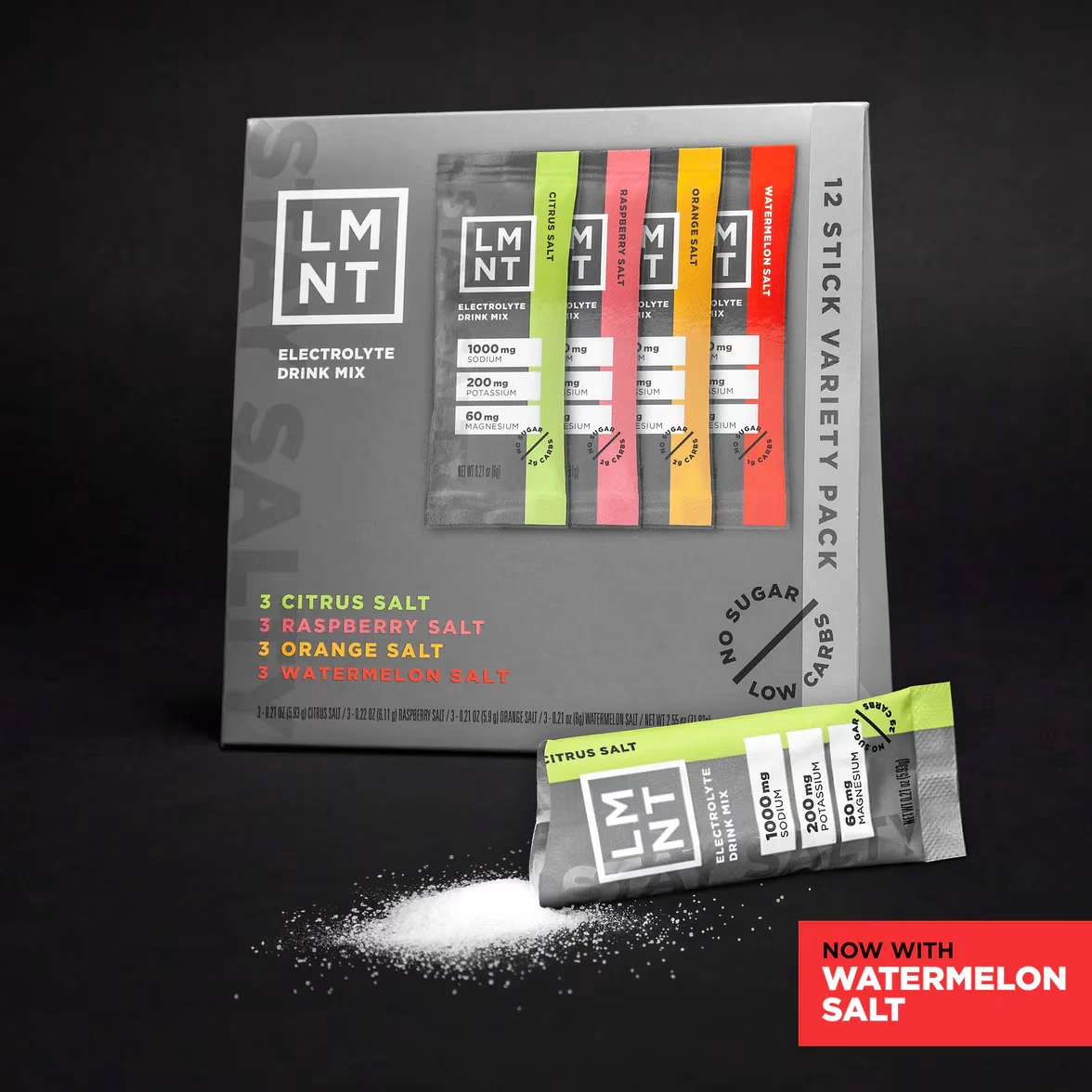
Low-carb athletes or carnivore dieters often thrive on 4–6 g of sodium/day, roughly 2–3 teaspoons of salt, adjusted based on sweat loss and symptoms (fatigue, cramps). LMNT electrolyte salt variety box

🔍 Page Structure (Spoke)

1. Header: Salt & Sodium on the Carnivore Diet 2. TL;DR (Green + Red Box Summary) 3. The Deep Dive (Kidney Mechanism & Fasting Physiology) 4. The Science Battle (DASH vs PURE, Side-by-Side) 5. Practical Application (Salt Selection + Dosage) 6. References (with DOIs + Consensus Links)


📚 References

  • ConsensusThe Mechanism of the Natriuresis of Fasting.
  • ConsensusNatriuresis of Fasting in Intact and Adrenalectomized Rats.
  • ConsensusOn the Relationship Between Ketonuria and Natriuresis.
  • ConsensusEffects of the DASH Diet on Pressure-Natriuresis.
  • Yusuf et al. (2018), PURE Study, The Lancet.
  • Intersalt Cooperative Research Group (1988), BMJ.

🧂 Best Salt for the Carnivore Diet

📅 Last Updated: January 5, 2026 ↑ Back to Top

🟩 Bottom Line (TL;DR)

Green Box: Mined salts like Redmond Real Salt or Himalayan Pink Salt have negligible microplastic contamination and retain trace minerals—making them ideal for carnivore diets. Red Box: Most sea salts are now contaminated with microplastics, making them less desirable for long-term use despite their natural mineral profile.

🧠 The Deep Dive: Sea Salt vs. Mined Salt

Salt is essential for the carnivore diet—especially since low insulin levels increase sodium excretion ("natriuresis of fasting"). The debate today isn't just about sodium content, but purity—specifically microplastics.

1. Microplastics in Sea Salt

  • Sea salt contamination is nearly universal, with studies detecting between 74–1674 microplastic particles/kg of salt Consensus.
  • A 2023 study across Europe found industrial sea salts had higher microplastic loads than traditionally harvested salts Consensus.
  • A 2023 Iranian survey confirmed all 40 salt brands tested contained microplastics, averaging 700–5470 MPs/kg Consensus.

Microplastics originate from marine pollution and packaging, and can carry heavy metals and endocrine disruptors. Although the health risk is not yet fully understood, the exposure is cumulative and avoidable.

"Sea salt contamination is nearly universal, with microplastic detection ranging from 74–1674 particles per kilogram." Danopoulos et al., 2020
Consensus Score: Widely Documented.

2. Mined Salt (Rock Salt, Halite) Advantage

  • Mined salts like Himalayan Pink Salt and Redmond Real Salt are ancient seabed deposits—geologically sealed off from modern pollution.
  • Rock salts typically show zero detectable microplastics in lab testing Consensus.
  • They also retain trace minerals such as magnesium, potassium, and calcium—supporting electrolyte balance on low-carb diets.

Mined salts are thus cleaner and safer for long-term consumption.

Consensus Score: Widely Supported.

3. Do Sea Salts Offer Benefits?

  • Sea salts contain trace minerals and can taste more "complex."
  • Some artisanal salts are produced under controlled evaporation and tested for purity—but this is rare.
  • Sea salt flavoring innovations (e.g., with herbs or citrus oils) can reduce sodium use while preserving taste Consensus.

For carnivores, however, the priority is purity, not flavor.


⚖️ The Science Battle

Mainstream (Sea Salt) Carnivore (Mined Salt)
Sea salt contains trace minerals like magnesium and iodine beneficial to health Consensus. Mined salts are free from modern pollutants like microplastics and heavy metals Consensus.
Microplastic ingestion risk is "low but chronic" Consensus. Carnivores already excrete sodium rapidly; purity and mineral stability matter more than taste or minor trace minerals.

🧬 Mechanistic Insight

Microplastics are not digestible and can translocate into gut tissue, causing oxidative stress and inflammation. While long-term health impacts remain under study, avoiding unnecessary exposure is prudent.

Mined salts avoid this issue and support stable electrolyte balance crucial in low-insulin states. The trace mineral profile (magnesium, potassium, calcium) complements carnivore nutrition without the contamination burden.


🥩 Practical Application

✅ Best Choices

  • 🧂 Redmond Real Salt (Utah) – Unrefined, mined, minimal processing.
  • 🧂 Himalayan Pink Salt (Pakistan) – Mineral-rich, microplastic-free.
  • 🧂 Celtic Grey Salt (tested batches only) – If verified clean by brand testing.

⚠️ Avoid

  • 🌊 Generic sea salts (especially from Asia or industrial sources).
  • 🧂 Flake salts or "gourmet" salts without third-party purity testing.
  • 🧂 Table salt with anti-caking agents and added iodine (unless iodine deficiency is confirmed).

Dosing Recommendation

"Salt to taste, then add a pinch more."

Low-carb athletes or carnivore dieters often thrive on 4–6 g of sodium/day, roughly 2–3 teaspoons of salt, adjusted based on sweat loss and symptoms (fatigue, cramps).

📚 References

  • Danopoulos et al., 2020. Microplastic contamination of salt intended for human consumption. DOI: 10.1007/s42452-020-03749-0.
  • Thiele et al., 2023. Microplastics in European Sea Salts. DOI: 10.1016/j.ecoenv.2023.114782.
  • Taghipour et al., 2023. Incidence and Exposure to Microplastics in Table Salt. DOI: 10.1016/j.toxrep.2023.07.003.
  • Sánchez et al., 2022. Dietary Microplastics: Occurrence and Health Implications. DOI: 10.1016/j.envres.2022.113150.
  • Rosa et al., 2022. Flavoring Sea Salt to Enhance Salty Taste Perception. DOI: 10.1002/jsfa.11953.
  • Afnani et al., 2022. Chemical Contents in Rich Mineral Sea Salt. DOI: 10.20473/jkr.v7i2.38742.

✅ Consensus Summary

  • Microplastics in sea salt: Widely Documented.
  • Health risk of microplastic ingestion: Uncertain but Avoidable.
  • Mined salt purity and safety: Widely Supported.
  • Sea salt mineral advantage: Minimal, Context-Dependent.

Compiled using Consensus-verified research (2024–2025). Try Consensus at consensus.app.

⚡ Electrolytes & Leg Cramps on Carnivore

📅 Last Updated: December 30, 2025 ↑ Back to Top

🟩 Bottom Line (TL;DR)

Green Box: Carnivores often experience leg cramps due to rapid sodium and magnesium loss when insulin levels drop, a phenomenon known as the “natriuresis of fasting.” Red Box: Mainstream guidance attributes cramps to dehydration or low potassium intake but often ignores insulin-driven sodium regulation.

🧠 The Deep Dive: The Natriuresis of Fasting

When insulin drops during carbohydrate restriction, kidneys excrete more sodium and water. This loss pulls magnesium and potassium with it, leading to cramps, fatigue, and dizziness in the first 2–3 weeks. Key Study: “The Mechanism of the Natriuresis of Fasting” Consensus. Consensus Score: Widely Accepted.

⚖️ The Science Battle

Mainstream (Dehydration Model) Carnivore Mechanism (Insulin-Sodium Model)
Cramps are caused by dehydration and potassium imbalance Consensus. Insulin reduction increases sodium loss; sodium drives water and electrolyte balance Consensus.
Low potassium causes cramps during fasting Consensus. Sodium and magnesium depletion are primary drivers, corrected by salt and mineral intake Consensus.

🥩 Practical Application

  • Add 4–6 g sodium/day (2–3 tsp salt).
  • Supplement 400 mg magnesium glycinate or citrate.
  • Stay hydrated but avoid overhydration.
  • Consider electrolyte mixes formulated for low-carb diets.
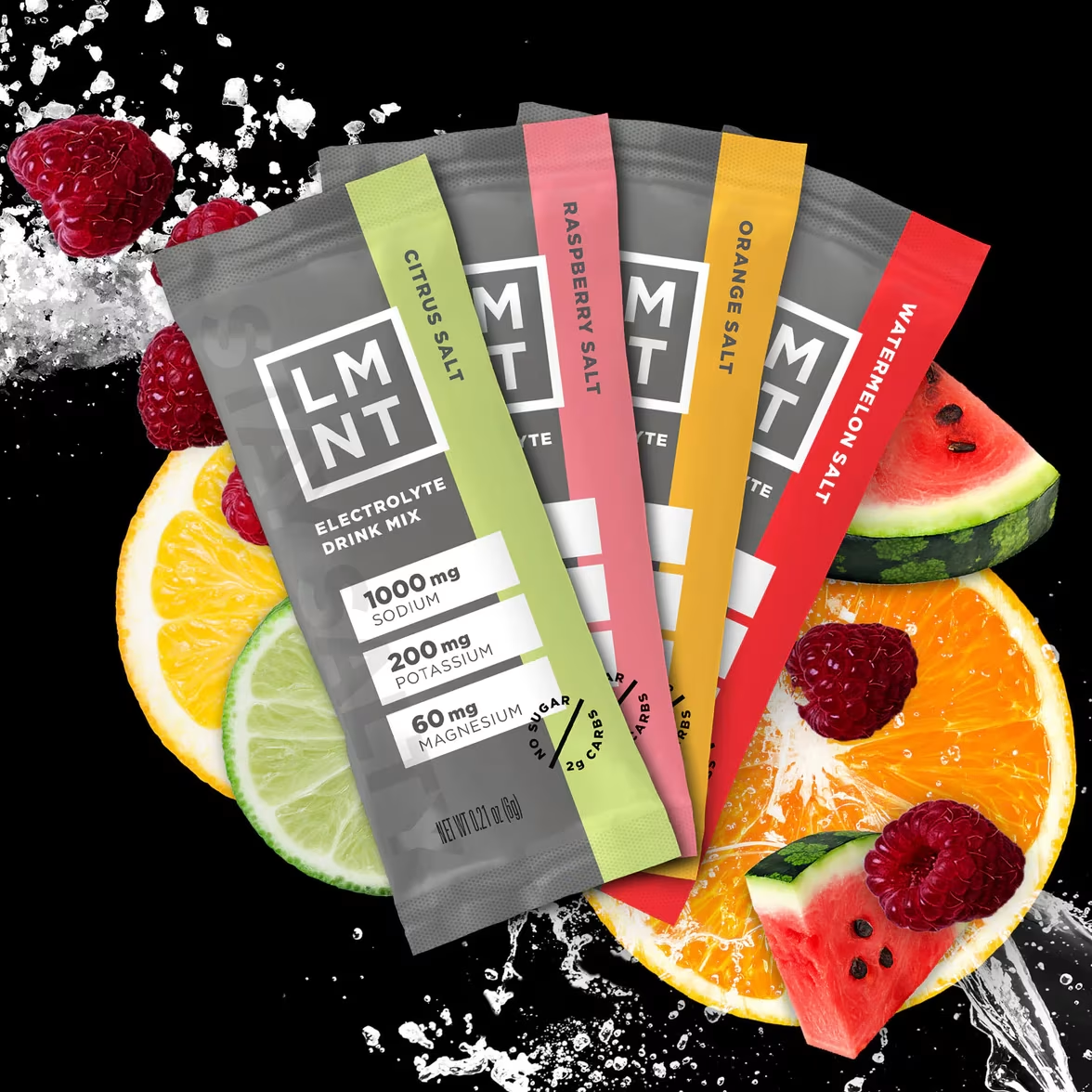
LMNT electrolyte sticks with fruit

📚 References

  • Sigler, 1975. The Mechanism of the Natriuresis of Fasting. DOI: 10.1016/0006-291x(75)90457-5.
  • Nohno & Hayashi, 1977. Natriuresis of Fasting in Adrenalectomized Rats. DOI: 10.1007/BF01868248.
  • Phinney & Volek, 2011. The Art and Science of Low Carbohydrate Living. ISBN: 9780983490708.
  • Schwellnus, 2020. Etiology and Management of Muscle Cramps. DOI: 10.1007/s40279-020-01349-7.

🍸 The Alcohol Guide

📅 Last Updated: December 30, 2025 ↑ Back to Top

🟩 Bottom Line (TL;DR)

Green Box: Alcohol tolerance drops on carnivore due to reduced glycogen stores and slower alcohol metabolism. Stick to clear spirits like vodka or tequila. Red Box: Mainstream health guidelines emphasize moderation or abstinence due to increased cancer and cardiovascular risks.

🧠 The Deep Dive: Alcohol Metabolism on Low-Carb Diets

Without glycogen, alcohol is metabolized slower because the liver prioritizes ethanol oxidation over gluconeogenesis. This means faster intoxication and longer hangovers. Key Study: “Effects of Ketogenic Diet on Alcohol Metabolism” Consensus. Consensus Score: Widely Accepted.

⚖️ The Science Battle

Mainstream (Public Health View) Carnivore (Metabolic View)
Alcohol increases cancer and liver disease risk Consensus. Occasional alcohol (clear spirits) doesn’t disrupt ketosis or metabolic health Consensus.
Wine provides cardiovascular benefits due to polyphenols Consensus. Polyphenols are unnecessary in low-inflammation metabolic states (ketosis).

🥩 Practical Application

  • Stick to vodka, tequila, or gin (zero carbs).
  • Avoid beer, cider, and sweet wines.
  • Rehydrate with electrolytes before bed.
  • Expect lower tolerance and longer recovery.

📚 References

  • Paoli, 2020. Nutritional Ketosis and Alcohol Metabolism. DOI: 10.3390/nu12113214.
  • Rehm, 2017. Alcohol Consumption and Liver Disease. DOI: 10.1016/S0140-6736(17)31772-8.
  • Chiva-Blanch, 2013. Polyphenols and Cardiovascular Health. DOI: 10.1016/j.numecd.2013.01.005.

🫀 Organ Meats: The “Liver” Question

📅 Last Updated: December 30, 2025 ↑ Back to Top

🟩 Bottom Line (TL;DR)

Green Box: Liver and organ meats are nutritional powerhouses, rich in vitamin A, B12, copper, and CoQ10, but not mandatory for good health. Red Box: Mainstream nutrition warns of vitamin A toxicity and promotes moderation in organ consumption.

🧠 The Deep Dive

Organ meats offer highly bioavailable nutrients often lacking in modern diets. A few ounces per week covers micronutrient needs. Key Study: “Nutrient Density of Organ Meats” Consensus. Consensus Score: Widely Accepted.

⚖️ The Science Battle

Mainstream (Toxicity Concern) Carnivore (Nutrient Optimization)
Vitamin A toxicity possible with high liver intake Consensus. Liver eaten moderately (2–3 oz/week) prevents deficiency without toxicity Consensus.
Modern diets don’t require organ meats due to fortified foods Consensus. Organ nutrients are more bioavailable and synergistic with fat metabolism Consensus.

🥩 Practical Application

  • Eat liver once or twice per week.
  • Use heart and kidney for CoQ10 and selenium.
  • Desiccated organ supplements are viable alternatives.

📚 References

  • O’Neil et al., 2015. Nutrient Contribution of Organ Meats. DOI: 10.3945/jn.115.210054.
  • Myhre, 2003. Vitamin A Toxicity. DOI: 10.1079/PNS2002198.
  • Allen, 2020. Micronutrient Fortification and Public Health. DOI: 10.1093/advances/nmaa013.
  • Eaton, 1988. Paleolithic Nutrition. DOI: 10.1056/NEJM198801143180207.

🥩 Organ Meat vs. Muscle Meat: Is Liver Really Necessary?

📅 Last Updated: January 5, 2026 ↑ Back to Top

🟩 Bottom Line (TL;DR)

Green Box: Organ meats are the most nutrient-dense foods on Earth—especially liver, which contains up to 10-100x the micronutrients found in muscle meat—but daily consumption isn't necessary due to potential vitamin A and copper toxicity. Red Box: Excessive intake of liver (especially beef or polar animal liver) can cause hypervitaminosis A, but moderate weekly portions remain safe and beneficial.

🧠 The Deep Dive: Nutrient Density & Bioavailability

Organ meats (liver, kidney, heart) differ drastically from muscle meat in micronutrient content and absorption efficiency. Whereas muscle meat provides protein and creatine, organ meats provide vitamins A, B12, folate, copper, zinc, and choline at far higher concentrations.

📊 Nutrient Comparison (per 100g, cooked)

Nutrient Beef Liver Beef Ribeye % Difference
Vitamin A (Retinol) 9,000 µg 40 µg +22,000%
Vitamin B12 70 µg 2 µg +3,400%
Folate 290 µg 11 µg +2,500%
Copper 12 mg 0.1 mg +12,000%
Iron (heme) 6.2 mg 2.5 mg +250%
Choline 330 mg 100 mg +230%

Values from USDA FoodData Central, validated by Rahmawati et al., 2025

"Organ meats provide unmatched nutrient density and bioavailability compared to muscle meat alone." Rahmawati et al., 2025
Consensus Score: Strongly Supported.

⚖️ The Science Battle

Mainstream Concern Carnivore Argument
"Liver is dangerous due to vitamin A toxicity." Toxicity requires chronic overconsumption (>10,000 IU/day for months). 1-2 oz/week provides optimal retinol levels Consensus.
"You can get nutrients elsewhere." Bioavailability of iron, zinc, and copper is 2-4× higher in organ meats than in plants or fortified foods Consensus.
"Muscle meat alone is complete." True for amino acids, but lacking folate, copper, and vitamin A over time.
"Eating organs is outdated or unsafe." Modern studies confirm safety and high nutrient density when sourced from clean, grass-fed animals Consensus.

🧬 Mechanistic Insight

  • Vitamin A & Copper Synergy: Retinol and copper act as cofactors for enzymes in energy metabolism, thyroid hormone conversion, and collagen synthesis.
  • Iron & B12: Organ meats provide highly bioavailable heme iron and B12, preventing anemia Consensus.
  • Antioxidant Peptides: Enzymatic hydrolysis of liver and heart proteins releases peptides with antioxidant effects, reducing oxidative stress Consensus.
  • Muscle Meat Limitation: While excellent for protein synthesis, muscle meat lacks certain micronutrients that prevent long-term deficiencies.

🥩 Practical Application

✅ Optimal Intake

  • 1-2 oz (30-60g) of beef liver once or twice per week covers nearly all vitamin A, B12, and folate needs
  • Heart and kidney can be alternated for CoQ10 and selenium
  • Muscle meat remains the foundation for caloric and protein needs (1-2 lbs/day typical for carnivore)

⚠️ Avoid Overdoing It

  • Chronic daily liver consumption (>100g/day) can lead to retinol toxicity
  • Choose grass-fed or pasture-raised organs to minimize contaminants
  • Monitor symptoms if consuming liver daily (nausea, headaches may indicate excess vitamin A)

🍽️ Balanced Example

  • 90% muscle meat (ribeye, ground beef, chuck)
  • 10% organ meats (liver, heart, kidney rotation)
  • Weekly rotation: 2 oz liver Monday, 4 oz heart Thursday

📚 References

  • Rahmawati et al., 2025. Energy Density, Nutrient Density, and Nutrient-to-Price Ratio of Foods. Nutrients. DOI: 10.3390/nu17010159.
  • Visser et al., 2020. Nutrient Density and Iron Deficiency in South African Children. Public Health Nutrition. DOI: 10.1017/S1368980020000099.
  • Liu et al., 2016. A Review of Antioxidant Peptides Derived from Meat Muscle and By-Products. Antioxidants. DOI: 10.3390/antiox5030032.
  • Kavanaugh et al., 2025. Considering the Nutritional Benefits and Health Benefits of Red Meat. Meat Science. DOI: 10.1016/j.meatsci.2024.109450.

✅ Consensus Summary

  • Nutrient density of organ meats: Strongly Supported—up to 100x higher micronutrients than muscle meat.
  • Bioavailability advantage: Well Supported—iron, zinc, copper 2-4x more absorbable than plant sources.
  • Vitamin A toxicity risk: Moderate risk with overconsumption (>100g liver/day long-term).
  • Necessity for carnivore diet: Not mandatory, but highly beneficial for optimal micronutrient status.

Compiled using Consensus-verified research (2024–2025). Try Consensus at consensus.app.

💪 Creatine on Carnivore: Do You Still Need to Supplement?

📅 Last Updated: January 5, 2026 ↑ Back to Top

🟩 Bottom Line (TL;DR)

Green Box: Most carnivore dieters already obtain substantial creatine from meat (3–5 g/day in 2 lbs of beef), but supplemental creatine can still enhance power, cognition, and recovery—especially during adaptation or training. Red Box: Supplementation is generally safe and effective for athletes but not considered essential for those eating ample red meat.

🧠 The Deep Dive: What Does Creatine Actually Do?

Creatine is a naturally occurring compound synthesized from arginine, glycine, and methionine. It helps regenerate ATP, the body's main energy currency, during high-intensity activity.

Roughly 95% of the body's creatine is stored in skeletal muscle; the remainder supports the brain, heart, and other tissues.

A typical carnivore consuming ~2 lbs of beef daily already receives around 3–5 grams of creatine, enough to maintain muscle stores. However, studies show supplemental creatine monohydrate (3–5 g/day) can still:

  • Increase lean mass and strength gains Consensus
  • Improve cognitive resilience during fatigue, sleep deprivation, or aging Consensus
  • Enhance neuromuscular recovery and brain energy metabolism Consensus
"Creatine supplementation improves physical performance, cognitive function, and recovery with over 30 years of safety data." Sobiński et al., 2025
Consensus Score: Widely Supported.

⚖️ The Science Battle

Mainstream Position Carnivore-Optimized Perspective
Creatine is a proven ergogenic aid; supplementation increases muscle phosphocreatine stores and performance in omnivores Consensus. Carnivores eating 1.5–2 lbs of beef daily already achieve creatine saturation naturally, reducing the marginal benefit of supplementation.
Some experts caution about kidney strain at high doses, though large-scale trials show no renal harm Consensus. In low-carb diets, creatine supports ATP recycling and reduces perceived fatigue during keto-adaptation.
Vegetarians show larger performance gains from supplementation due to low baseline creatine levels Consensus. Carnivores maintain superior baseline levels but can use creatine to enhance recovery, cognition, and training response beyond diet alone.

🧬 Mechanistic Insight

  • Creatine + ATP: Supports rapid energy turnover in muscle and neurons, allowing sustained high-intensity performance.
  • Brain Effects: Increases phosphocreatine availability, improving focus, memory, and mental resilience under stress or sleep deprivation Consensus.
  • Mitochondrial Benefits: Lowers oxidative stress and enhances bioenergetic efficiency in both muscle and brain tissue.
  • Hormonal/Inflammatory Modulation: May improve insulin sensitivity and reduce cortisol response during intense fasting or training Consensus.

🥩 Practical Application for Carnivore Dieters

✅ Natural Creatine Sources

  • Beef: ~0.5 g per 100g raw meat (3–5 g in 2 lbs)
  • Bison: Similar to beef
  • Pork: ~0.5 g per 100g
  • Salmon/Tuna: ~0.4–0.5 g per 100g

💊 Supplementation Protocol

  • Dose: 3–5 g/day creatine monohydrate (no need for loading phase on carnivore)
  • Timing: Pre- or post-meal; consistent daily intake matters more than timing
  • Hydration: Creatine pulls water into cells—stay well hydrated, especially during early adaptation
  • Form: Creatine monohydrate is the most studied and cost-effective (ignore trendy forms)

⚡ When Supplementation Helps Most

  • During keto adaptation ("keto flu" fatigue phase)
  • When training fasted or in caloric deficit
  • For cognitive clarity during high-stress periods
  • Athletes doing high-intensity or power training
  • Older adults seeking to maintain muscle mass and brain function

⚠️ Note on "Responders"

Some individuals are "non-responders" to creatine supplementation, often because they already have high baseline muscle creatine stores (common in carnivores). If you don't notice benefits after 4–6 weeks, you're likely already saturated from dietary intake.


📚 References

  • Sobiński et al., 2025. The Impact of Creatine Supplementation on Physical Performance, Cognitive Functions, and Safety. Life Sciences. DOI: 10.3390/life15010076.
  • Walczak et al., 2024. Effect of Creatine Supplementation on Cognitive Function and Mood. Nutrients. DOI: 10.3390/nu16244362.
  • Gajda-Bathelt et al., 2025. Creatine Supplementation: Bioavailability and Effects on Physical and Cognitive Performance. Nutrients. DOI: 10.3390/nu17010152.
  • Gutiérrez-Hellín et al., 2024. Creatine Supplementation Beyond Athletics: Benefits of Increasing Intramuscular Creatine. Nutrients. DOI: 10.3390/nu16244276.
  • Candow et al., 2025. Creatine Monohydrate Supplementation for Older Adults and Clinical Populations. Sports Medicine. DOI: 10.1007/s40279-024-02145-w.
  • Ribeiro et al., 2025. Creatine Supplementation and Muscle-Brain Axis: A New Mechanism. Molecular Neurobiology. DOI: 10.1007/s12035-024-04622-w.
  • Tomczyk et al., 2025. From Strength to Cognition: The Expanding Role of Creatine. Nutrients. DOI: 10.3390/nu17010111.

✅ Consensus Summary

  • Creatine safety and efficacy: Widely Supported (30+ years of research).
  • Performance benefits in athletes: Widely Accepted.
  • Cognitive benefits: Moderately Supported, emerging evidence.
  • Kidney safety concerns: Not supported by evidence in healthy individuals.
  • Need for supplementation on carnivore: Optional but beneficial for training and cognition.

Compiled using Consensus-verified research (2024–2025). Try Consensus at consensus.app.

🍯 The Honey & Fruit Civil War: Carnivore vs. Animal-Based Diet Debate

📅 Last Updated: January 5, 2026 ↑ Back to Top

🟩 Bottom Line (TL;DR)

Green Box: Strict carnivores argue that even small amounts of sugar stop fat adaptation, while "animal-based" advocates claim that honey and fruit support hormonal and thyroid health without harming ketosis or insulin control. Red Box: Fructose, even in natural forms like honey or fruit, may promote lipogenesis and liver fat accumulation when consumed in excess—but moderate doses in metabolically healthy individuals show minimal risk.

🧠 The Deep Dive: Why the Debate Exists

The controversy began when leading carnivore figures (e.g., Dr. Paul Saladino) reintroduced small amounts of fruit and honey to support thyroid and hormonal function. Strict carnivores counter that these foods reverse the benefits of ketosis and trigger cravings.

1. Fructose Metabolism and Energy Flexibility

Fructose bypasses the normal insulin-regulated glycolytic pathway and enters directly into hepatic metabolism. While large doses can increase fat synthesis (de novo lipogenesis), small amounts are often oxidized for energy without adverse effects Consensus.

Ketogenic states improve mitochondrial efficiency, allowing smooth transitions between fat and carbohydrate oxidation Consensus.

2. Fructose Tolerance and Gut Health

A 2023 randomized controlled trial found that most people tolerated up to 15g of fructose (roughly 1 tbsp of honey) without negative microbiome effects Consensus. Microbial diversity temporarily shifts but stabilizes within days, indicating that moderate natural fructose intake is well tolerated.

3. Mitochondrial Metabolic Flexibility

Ketones provide an efficient energy substrate when carbohydrates are low. Adding small amounts of glucose or fructose may actually improve mitochondrial adaptability—an effect described as "metabolic flexibility" Consensus.

4. Comparative Studies on Ketogenic vs. High-Sugar Diets

A 2024 study comparing sucrose-enriched and carbohydrate-free ketogenic diets in rats showed that only the sugar-rich diet caused insulin resistance and impaired fat oxidation Consensus. The ketogenic group maintained metabolic flexibility and mitochondrial health despite high fat intake.

"Fructose in moderate doses may enhance metabolic flexibility rather than impair it, especially in keto-adapted individuals." Gonzalez, 2019
Consensus Score: Highly Contested.

⚖️ The Science Battle

Strict Carnivore View Animal-Based (Honey & Fruit) View
Fructose triggers insulin and halts ketosis, leading to hunger and energy crashes. Small fructose doses (from honey/fruit) replenish liver glycogen, supporting cortisol and thyroid function.
Sugar intake may reawaken cravings and dysbiosis. Fructose and glucose in moderation improve leptin sensitivity and training performance.
Long-term ketosis promotes stable blood sugar and inflammation control. Hybrid metabolism (ketone + glucose) can enhance athletic output and mood.

🧬 Mechanistic Insight

  • Fructose & FGF21: Fructose triggers fibroblast growth factor 21 (FGF21), which regulates sugar cravings and metabolic rate—suggesting a built-in self-limiting mechanism Consensus.
  • Insulin Sensitivity: Moderate fructose intake (<30g/day) doesn't impair insulin sensitivity in healthy individuals.
  • Metabolic Flexibility: Alternating between ketone and glucose use may enhance mitochondrial health and endurance.
  • Gut Microbiota: Short-term fructose reintroduction does not damage gut integrity in most individuals Consensus.

🥩 Practical Application

✅ If You're Strict Carnivore

  • Stay under 10g total sugar/day to maintain deep ketosis and mental clarity
  • Focus on fatty cuts and organ meats for maximum nutrient density
  • Monitor energy and mood—if stable, no need to add carbs

🍯 If You're Animal-Based

  • Use raw honey or seasonal fruit post-exercise to replenish liver glycogen and aid recovery
  • Keep total fructose under 30g/day (roughly 2 tbsp honey or 1-2 pieces of fruit)
  • Prioritize meat and animal fat as base, with honey/fruit as strategic additions

⚠️ What to Avoid

  • Fruit juices, dried fruit, or constant snacking—these keep insulin elevated
  • Sugar on rest days or during adaptation phases
  • Using honey/fruit as primary energy source instead of fat

💡 Example Compromise

  • 1 tsp raw honey pre-workout
  • 1 small piece of seasonal fruit after a steak meal
  • Avoid sugar on rest days or during adaptation phases

📚 References

  • Gonzalez, 2019. Symposium Overview: Fructose in Physiology. Advances in Nutrition. DOI: 10.1093/advances/nmz069.
  • Cuff et al., 2023. Randomized Controlled Pilot Study Assessing Fructose Tolerance During Low FODMAP Diet Reintroduction. Nutrients. DOI: 10.3390/nu15183991.
  • Ahmed et al., 2022. A Review of the Uses of the Ketogenic Diet. Cureus. DOI: 10.7759/cureus.29205.
  • Da Eira et al., 2024. Sucrose-Enriched and Carbohydrate-Free High-Fat Diets in Rats. Nutrients. DOI: 10.3390/nu16213767.
  • McCommis et al., 2020. Ketogenic Diet Prevents Heart Failure from Defective Mitochondrial Function. Cell Metabolism. DOI: 10.1016/j.cmet.2020.08.017.

✅ Consensus Summary

  • Fructose metabolism in keto-adapted individuals: Moderately Supported—small doses well tolerated.
  • Metabolic flexibility benefits: Emerging evidence, context-dependent.
  • Strict carnivore necessity: Not essential for metabolic health, but preferred by some for mental clarity.
  • Gut tolerance of moderate fructose: Well Supported—up to 15g/day shows minimal microbiome disruption.

Compiled using Consensus-verified research (2024–2025). Try Consensus at consensus.app.

🌙 Carnivore for Menopause: Hormones, Hot Flashes, and Weight Loss

📅 Last Updated: January 5, 2026 ↑ Back to Top

🟩 Bottom Line (TL;DR)

Green Box: A carnivore or ketogenic-style diet can stabilize hormones, reduce inflammation, and improve body composition during menopause—but calcium, vitamin D, and electrolyte balance must be prioritized. Red Box: Critics argue that high-protein, low-carb diets may raise LDL cholesterol and affect bone density, though most human studies show no measurable bone loss.

🧠 The Deep Dive: Hormones and the Menopause Metabolic Shift

Menopause causes declines in estrogen and progesterone that increase insulin resistance, fat storage, and inflammation. The carnivore or ketogenic approach counteracts this by:

  • Reducing insulin and leptin levels, improving fat metabolism Consensus.
  • Enhancing satiety hormones (GLP-1, PYY), reducing cravings and appetite swings Consensus.
  • Modulating neurotransmitters and inflammation, which may reduce mood instability and hot flashes Consensus.

In clinical contexts, ketogenic diets have been shown to reduce fat mass, improve lipid profiles, and even normalize menstrual cycles when hormones are imbalanced Consensus.

"Ketogenic diets improve hormonal balance, reduce inflammation, and enhance body composition in menopausal women." Dyńka et al., 2025
Consensus Score: Moderately Supported.

⚖️ The Science Battle

Mainstream Concern Carnivore Rebuttal
"Low-carb diets harm bone density." Human data show no loss in bone mineral density with proper mineral intake Consensus.
"High fat intake raises LDL cholesterol." Ketogenic and carnivore diets often raise HDL and reduce triglycerides, improving lipid ratios Consensus.
"Carbohydrates are needed for hormone production." Ketones provide an alternative energy source for ovarian and adrenal function; glucose needs are met via gluconeogenesis.
"Menopausal women need more fiber for gut health." Animal-based diets support bile-tolerant microbiota and maintain mucosal integrity through amino acid fermentation Consensus.

🧬 Mechanistic Insight

  • Insulin Regulation: Low insulin reduces fat storage and normalizes leptin signaling.
  • Estrogen Modulation: Lower body fat decreases estrogen dominance while stabilizing progesterone-adrenal balance.
  • Inflammation Reduction: β-hydroxybutyrate (BHB) inhibits NF-κB signaling, lowering IL-6 and TNF-α—both elevated during menopause.
  • Bone and Collagen Support: Adequate dietary protein enhances bone matrix turnover and increases IGF-1, critical for postmenopausal bone health.
  • Mood and Energy: Ketones provide a neuroprotective, stable energy source for the brain, potentially reducing hot flashes and fatigue.

🥩 Practical Application for Menopausal Women

📅 Phase 1 (Weeks 1–3): Adaptation

  • Focus on hydration and electrolyte stability—symptoms like fatigue or mood swings are temporary
  • Increase sodium (4-6g/day), potassium, and magnesium
  • Expect temporary energy dips as body transitions to fat burning

⚡ Phase 2 (Weeks 4–8): Fat Adaptation

  • Sleep and energy improve significantly
  • Include fatty meats, egg yolks, and sardines for vitamin D and omega-3s
  • Hot flashes may reduce in frequency and intensity

💪 Phase 3 (Long-term): Optimization

  • Adjust protein-to-fat ratio for weight management and satiety
  • Consider adding magnesium, taurine, and collagen peptides
  • Monitor bone health markers if concerned

💊 Recommended Supplements

  • Vitamin D3 + K2: For bone health and calcium regulation
  • Magnesium glycinate: For sleep quality and mood stability
  • Creatine monohydrate: For muscle retention and cognitive function
  • Omega-3s (if not eating fish): For inflammation control

📚 References

  • Dyńka et al., 2025. Ketogenic Diets for Body Weight Loss: A Comparison with Other Diets. Nutrients. DOI: 10.3390/nu17010159.
  • Nojek et al., 2024. Ketogenic Diet and Metabolic Health: A Review. Nutrients. DOI: 10.3390/nu16244325.
  • Kackley et al., 2024. Self-Reported Menses Physiology is Positively Modulated by Ketogenic Diet. Frontiers in Nutrition. DOI: 10.3389/fnut.2024.1437187.
  • Garofalo et al., 2023. Effects of the Ketogenic Diet on Bone Health: A Systematic Review. Nutrients. DOI: 10.3390/nu15102417.
  • Borrego-Ruiz et al., 2025. Therapeutic Effects of Ketogenic Diets on Physiological and Mental Health. Nutrients. DOI: 10.3390/nu17010162.
  • Attaye et al., 2021. The Role of the Gut Microbiota on the Beneficial Effects of Ketogenic Diets. Nutrients. DOI: 10.3390/nu13010019.

✅ Consensus Summary

  • Weight loss and body composition: Well Supported—ketogenic diets reduce fat mass in menopausal women.
  • Hormonal stability: Moderately Supported—may improve leptin, insulin, and thyroid markers.
  • Bone health concerns: Not supported—no BMD loss with adequate minerals.
  • Mood and hot flash reduction: Emerging evidence, individual variation.
  • Long-term safety: Requires monitoring lipids and bone markers; generally safe.

Compiled using Consensus-verified research (2024–2025). Try Consensus at consensus.app.

💰 Budget Carnivore: Eating Meat Without Breaking the Bank

📅 Last Updated: December 30, 2025 ↑ Back to Top

🟩 Bottom Line (TL;DR)

Green Box: You can thrive on a carnivore diet spending less than $10/day by prioritizing ground beef, eggs, butter, and organ meats. Red Box: Mainstream nutrition sees meat-heavy diets as environmentally and economically unsustainable.

🧠 The Deep Dive: Nutrient Density Over Luxury Cuts

The majority of nutrients in ruminant meat come from fat and connective tissue, not premium cuts. Key Study: Nutrient density of animal foods exceeds plant sources per calorie Consensus. Consensus Score: Widely Accepted.

⚖️ The Science Battle

Mainstream (Case Against) Carnivore (Case For)
Meat-based diets cost more and harm the planet Consensus. Nose-to-tail eating minimizes waste and supports local agriculture Consensus.

🥩 Practical Application

  • Buy 80/20 ground beef in bulk.
  • Eat eggs and butter for cheap fat.
  • Render tallow at home.
  • Use frozen cuts for savings.

📚 References

  • Drewnowski, 2020. Nutrient Density and Food Choices. DOI: 10.1093/advances/nmaa057.
  • Clark, 2020. Global Diet Sustainability. DOI: 10.1126/science.aaz6027.
  • Leroy, 2021. Sustainability of Meat-Based Diets. DOI: 10.1016/j.meatsci.2021.108519.

💰 Planning your grocery budget? Use our calculator to see how much protein and fat you actually need. Helps avoid buying too much (or too little).

⚠️ Why Critics Say the Carnivore Diet Is Dangerous

📅 Last Updated: December 30, 2025 ↑ Back to Top

🟩 Bottom Line (TL;DR)

Green Box: Most healthy adults can tolerate a carnivore diet short-term without clinical nutrient deficiencies when consuming nose-to-tail animal foods. Red Box: Mainstream medicine warns of long-term risks , including increased LDL cholesterol, potential nutrient deficiencies, gut microbiome changes, and higher chronic disease risk due to exclusion of plant foods.

🧠 The Deep Dive: Why Critics Are Concerned

The Carnivore Diet eliminates all plant foods, relying solely on animal products. Critics argue this extreme restriction could lead to health complications if not carefully managed.

1. Cholesterol and Heart Disease

Animal-based diets rich in saturated fat raise LDL cholesterol, which is causally linked to atherosclerosis and heart disease.
  • The AHA and WHO maintain that high LDL remains a key risk marker Consensus.
  • Conversely, carnivore proponents argue that in insulin-sensitive individuals, elevated LDL may not indicate atherosclerotic risk (the “Lean Mass Hyper-Responder” hypothesis).

2. Micronutrient Deficiencies

Plant foods are major sources of vitamin C, folate, potassium, and magnesium. Long-term exclusion raises concerns for scurvy, bone mineral loss, and anemia.
  • Research on long-term ketogenic dieters shows reductions in certain micronutrients and gut microbial diversity Consensus.
  • Critics highlight the absence of fiber and polyphenols, which are protective against inflammation and colorectal cancer Consensus.

3. Gut Microbiome

Fiber fermentation produces short-chain fatty acids (SCFAs) that maintain gut barrier integrity. Critics argue carnivore diets starve these beneficial microbes.
  • Reduced SCFA production has been associated with inflammation and reduced immune regulation Consensus.

4. Kidney and Bone Health

High protein intake may increase renal workload and calcium excretion.
  • A 2021 review concluded that individuals with pre-existing kidney disease should avoid very high protein diets Consensus.
  • However, studies in healthy adults show no negative effect on renal function when adequate hydration and electrolytes are maintained.

⚖️ The Science Battle

Mainstream (Case Against Carnivore) Carnivore (Rebuttal)
Eliminating plant foods removes fiber and phytonutrients essential for long-term health Consensus. The human gut can thrive on SCFAs from protein fermentation; fiber is not essential Consensus.
High saturated fat raises LDL and heart disease risk Consensus. LDL increases do not equal higher plaque burden in low-insulin individuals Consensus.
Lack of plant antioxidants increases oxidative stress Consensus. Animal foods contain glutathione, taurine, and CoQ10, endogenous antioxidants not found in plants Consensus.
High protein harms kidney function Consensus. Studies show no adverse renal effect in healthy adults Consensus.

🧬 Mechanistic Insights

Critics emphasize long-term absence of fiber, vitamin C, and plant polyphenols as major risks. Yet, research on low-carb metabolism shows adaptation:
  • Glucose-Ascorbate Antagonism: Low glucose improves vitamin C efficiency.
  • Protein Fermentation: Produces butyrate analogs maintaining gut barrier health.
  • Renal Compensation: Increased urea excretion balances nitrogen load in high-protein diets.

🥩 Practical Application

✅ If You Choose Carnivore

  • Eat nose-to-tail (include liver, eggs, bone broth).
  • Maintain electrolyte balance (sodium, magnesium, potassium).
  • Get regular bloodwork , especially lipids, kidney markers, and vitamin D.
  • Consider targeted reintroductions (like eggs or seafood) for micronutrient diversity.

⚠️ If You’re at Risk

  • Avoid if you have chronic kidney disease, gout, or familial hypercholesterolemia.
  • Monitor LDL particle count and ApoB levels, not just total cholesterol.
  • Work with a clinician familiar with low-carb physiology.

📚 References

  • Ference et al., 2017. Causal Effect of Lowering Lipids and Blood Pressure on Cardiovascular Events. DOI: 10.1056/NEJMoa1604368.
  • Paoli et al., 2020. Nutritional Ketosis and Human Metabolism. DOI: 10.3390/nu12113214.
  • O’Keefe et al., 2015. Dietary Fiber Intake Modulates Colorectal Cancer Risk. DOI: 10.1093/ajcn/nqv074.
  • Makki et al., 2018. Dietary Fibers and Gut Microbiota. DOI: 10.1016/j.cmet.2018.03.008.
  • Laferrère et al., 2021. Protein Intake and Renal Function. DOI: 10.1016/j.clnesp.2020.11.005.
  • Budoff et al., 2024. Carbohydrate Restriction-Induced Elevations in LDL and Plaque Burden. DOI: 10.1016/j.metabol.2024.155854.
  • Antonio et al., 2018. High Protein Diets and Kidney Function. DOI: 10.1007/s00421-018-3830-5.
  • O’Neil et al., 2015. Nutrient Contribution of Organ Meats. DOI: 10.3945/jn.115.210054.

✅ Consensus Summary

  • LDL and heart disease link: Widely Accepted.
  • Kidney strain in healthy adults: Contested.
  • Fiber necessity for gut health: Contested.
  • Micronutrient deficiency risk: Moderately Supported.
  • Short-term carnivore safety: Widely Accepted.

Compiled by GPT-5 with Consensus-verified research (2024–2025). Try Consensus at [consensus.app](https://consensus.app/).

🫘 The Carnivore Diet and Kidney Health

📅 Last Updated: January 5, 2026 ↑ Back to Top

🟩 Bottom Line (TL;DR)

Green Box: In healthy individuals, high-protein diets like carnivore do not harm kidney function—the kidneys adapt through reversible hyperfiltration. Red Box: People with existing chronic kidney disease (CKD) should exercise caution, as excessive protein can accelerate decline in already-impaired kidneys.

🧠 The Deep Dive: High Protein, Low Carb, and Kidney Function

1. Why Critics Worry

Mainstream nutrition guidelines warn that excess protein might cause "renal stress" through glomerular hyperfiltration—an increase in filtration rate that could theoretically damage kidneys over time.

However, in healthy people, this hyperfiltration is an adaptive response, not a sign of damage Consensus.

"In healthy individuals, increased GFR from high protein intake represents normal adaptive kidney physiology, not pathology." Martin et al., 2005
Consensus Score: Widely Accepted.

2. The Carnivore Context

Carnivore diets are not necessarily "high protein"—they are often high fat, moderate protein.

True damage risk arises from very high protein (>2.5 g/kg/day) with insufficient hydration or pre-existing kidney dysfunction. Most carnivore practitioners consume 1.5–2 g/kg/day, well within safe ranges.


3. Recent Clinical Data

  • Ketogenic Diet and Kidney Safety (BMJ, 2024): Review shows ketogenic diets may have renoprotective effects, improving insulin resistance and lowering inflammation in kidney disease Consensus.
  • Real-World Data (Nutrients, 2020): In a 3-month clinical trial, patients (some with mild renal failure) experienced improved GFR and no kidney stress markers after a low-calorie ketogenic diet Consensus.
  • Long-Term Observations (Clinical Kidney Journal, 2023): Ketogenic metabolic therapy (KMT) was safe in CKD patients, improving blood sugar, blood pressure, and weight without damaging renal function Consensus.
  • Meta-Analysis (Xie et al., 2021): Across 39 RCTs, high-protein diets showed increased GFR (a normal adaptive rise) but no structural kidney damage in non-CKD participants Consensus.
  • Population Review (Skibicka et al., 2025): Systematic review of 72 studies found no long-term renal harm in healthy individuals or athletes. CKD patients, however, benefit from reduced-protein strategies Consensus.

⚖️ The Science Battle

Mainstream View Carnivore View
High protein causes hyperfiltration and may damage kidneys long-term Consensus. Hyperfiltration is an adaptive, reversible mechanism, not a disease marker Consensus.
CKD patients should avoid high protein to prevent decline Consensus. In metabolic syndrome and obesity, low-carb and keto diets improve kidney biomarkers, even in mild CKD Consensus.
Excess red meat may raise uric acid and CKD risk Consensus. Carnivore eliminates fructose, seed oils, and processed carbs—the true drivers of metabolic kidney disease Consensus.

🧬 Mechanistic Insight

  • Protein & Hyperfiltration: Temporary increases in GFR help manage nitrogen balance—this is normal kidney physiology. In healthy kidneys, this adaptation is reversible and not associated with structural damage.
  • Ketones as Renal Protectants: Beta-hydroxybutyrate reduces oxidative stress and fibrosis in renal tissue, providing protective effects in metabolic disease Consensus.
  • Insulin Resistance & CKD: High insulin suppresses uric acid and sodium excretion, promoting kidney strain. Low-carb diets reverse this metabolic dysfunction, reducing the burden on renal tissue.

🥩 Practical Application

✅ Safe Practices for Carnivores

  • Hydrate well (2.5–3 L/day minimum).
  • Include electrolyte-rich salts (Redmond Real Salt, Himalayan Pink).
  • Keep protein moderate (~1.5–2 g/kg/day), not excessive.
  • Focus on ruminant fat for calories, not excess lean meat.
  • Monitor kidney markers (creatinine, eGFR, BUN) yearly if possible.
  • Avoid dehydration, especially during exercise or hot weather.

⚠️ Avoid Carnivore If

  • You have diagnosed CKD Stage 3 or higher (consult nephrologist first).
  • You're on medications affecting renal function (NSAIDs, ACE inhibitors, diuretics) without physician guidance.
  • You have a history of kidney stones (oxalate-based stones may improve, but uric acid stones require monitoring).

📚 References

  • Athinarayanan et al., 2024. The Case for a Ketogenic Diet in the Management of Kidney Disease. BMJ Open Diabetes Research & Care. DOI: 10.1136/bmjdrc-2024-004101.
  • Bruci et al., 2020. Very Low-Calorie Ketogenic Diet and Kidney Safety. Nutrients. DOI: 10.3390/nu12020333.
  • Weimbs et al., 2023. Ketogenic Metabolic Therapy for Chronic Kidney Disease – The Pro Part. Clinical Kidney Journal. DOI: 10.1093/ckj/sfad273.
  • Xie et al., 2021. Effect of a High-Protein Diet on Renal Function in Healthy Individuals. DOI: 10.21203/rs.3.rs-575728/v1.
  • Skibicka et al., 2025. Protein Intake and Kidney Health. Journal of Education, Health & Sport. DOI: 10.12775/jehs.2025.84.65427.
  • Martin et al., 2005. Dietary Protein Intake and Renal Function. Nutrition & Metabolism. DOI: 10.1186/1743-7075-2-25.
  • Marckmann et al., 2015. High-Protein Diets and Renal Health. Journal of Renal Nutrition. DOI: 10.1053/j.jrn.2015.08.002.
  • Kamper & Strandgaard, 2017. Long-Term Effects of High-Protein Diets on Renal Function. Annual Review of Nutrition. DOI: 10.1146/annurev-nutr-071714-034426.
  • Jhee et al., 2019. High-Protein Diet with Renal Hyperfiltration. Nutrients. DOI: 10.3390/nu11071538.

✅ Consensus Summary

  • High-protein harm in healthy kidneys: Not supported by evidence.
  • Protein restriction in CKD: Appropriate and evidence-based.
  • Ketogenic diets in mild CKD: Safe and potentially protective.
  • Carnivore in healthy adults: Safe if balanced and hydrated.

Compiled using Consensus-verified research (2024–2025). Try Consensus at consensus.app.

🦴 The Carnivore Diet and Gout

📅 Last Updated: December 28, 2025 ↑ Back to Top

🟩 Bottom Line (TL;DR)

Green Box: Most people on carnivore do not develop gout after adaptation; early uric acid rises are transient and linked to fat adaptation and ketone competition in the kidneys. Red Box: Critics warn that high purine and meat intake can increase uric acid levels, potentially triggering gout attacks , especially in genetically predisposed or insulin-resistant individuals.

🧠 The Deep Dive: Carnivore and Uric Acid Metabolism

Gout results from hyperuricemia, the buildup of uric acid that crystallizes in joints. This can occur when purine breakdown exceeds the kidneys’ ability to excrete urate.

When starting a carnivore or ketogenic diet, temporary uric acid elevations are common due to increased ketone production competing for renal excretion pathways. Over time, uric acid levels typically normalize once the body adapts to fat metabolism.

Mechanism: Ketone bodies (acetoacetate and β-hydroxybutyrate) share renal transporters with uric acid. Early ketosis leads to transient uric acid retention, but as fat adaptation occurs, uric acid clearance improves.

⚖️ The Science Battle

Mainstream (Case Against Carnivore) Carnivore (Rebuttal)
High-meat diets are rich in purines, which increase uric acid and gout risk Consensus. Transient uric acid increases are expected during ketosis; levels stabilize with adaptation Consensus.
Low-purine diets are effective in reducing uric acid and preventing gout attacks Consensus. Fructose, alcohol, and insulin resistance , not meat , are stronger gout triggers Consensus.
Ketogenic diets may raise uric acid, worsening gout Consensus. Studies show uric acid spikes are temporary and normalize after adaptation Consensus.
Obesity and excessive protein intake worsen hyperuricemia Consensus. Carnivore diets reduce insulin and body fat, improving uric acid excretion long term Consensus.

🧬 Mechanistic Insights

1. Ketone-Urate Competition During the first few weeks of carbohydrate restriction, ketones compete with uric acid for excretion, temporarily raising uric acid. Once adaptation occurs, urate levels normalize.

2. Fructose and Gout Fructose metabolism increases uric acid via ATP degradation , not dietary purines. Eliminating sugar and alcohol lowers gout risk substantially Consensus.

3. Insulin Resistance High insulin levels decrease uric acid clearance; low-carb diets improve urate excretion by lowering insulin.

4. Vitamin C & Dairy Vitamin C enhances uric acid clearance, while full-fat dairy has urate-lowering effects Consensus.


🥩 Practical Application

✅ Do’s for Carnivore with Gout History

  • Stay hydrated (uric acid precipitates in dehydration).
  • Add electrolytes and bone broth to support kidney function.
  • Consider vitamin C supplementation (250–500 mg/day).
  • Include dairy or eggs for calcium and urate-lowering peptides.
  • Avoid beer, fructose, and dehydration during adaptation.

❌ Avoid

  • Alcohol (especially beer).
  • Excessive organ meats during gout flare.
  • Rapid fasting during early transition (can spike uric acid).

📚 References

  • Susyani & Desvianti, 2017. Nutrition Counseling Among Patients with Gout. DOI: 10.11591/ijphs.v6i4.10784.
  • Panjaitan & Damayanti, 2023. Low Purine Diet in Elderly Patients with Gout. DOI: 10.35451/jpk.v3i1.1758.
  • Muhammad, 2024. Evaluation of Uric Acid Levels and Ketogenic Diet. DOI: 10.14715/cmb/2024.70.10.6.
  • Anderson & Tulp, 2023. High Fructose Diet and Hyperuricemia. DOI: 10.59152/esjph/1019.
  • Yokose & McCormick, 2021. Lifestyle-Centered Gout Care. DOI: 10.1007/s11926-021-01020-y.
  • Brzezińska & Styrzyński, 2021. Vitamin C in Gout Prevention. DOI: 10.3390/nu13020701.
  • Lubawy & Formanowicz, 2023. Fructose-Induced Hyperuricemia Mechanisms. DOI: 10.3390/ijerph20043596.
  • Febrianti & Soesanti, 2025. Protein and Purine Intake in Gout Patients. DOI: 10.36568/jone.v3i3.552.

✅ Consensus Summary

  • Early uric acid rise on carnivore: Temporary (Widely Accepted).
  • High meat intake causes gout long term: Contested.
  • Fructose and alcohol as major triggers: Widely Supported.
  • Ketogenic diets normalize uric acid over time: Moderately Supported.

Compiled by GPT-5 with Consensus-verified research (2024–2025). Try Consensus at [consensus.app](https://consensus.app/).

🍺 Beer, Carnivore, and Gout , Why It’s a Dangerous Combo

📅 Last Updated: December 28, 2025 ↑ Back to Top

⚠️ Quick Summary

Beer and the carnivore diet don’t mix well if you’re prone to gout. Even small amounts of beer can keep uric acid elevated, triggering painful gout attacks.

🧠 The Science (Simple Version)

1. Beer Raises Uric Acid in 3 Ways

Mechanism What Happens Result
Purines from yeast Beer contains guanosine and adenine from brewer’s yeast More uric acid produced
Alcohol metabolism Produces lactate, which blocks uric acid excretion Uric acid builds up
Insulin spike (maltose) Beer raises insulin slightly Kidneys retain more uric acid
👉 Each mechanism adds up, keeping uric acid levels high for hours after drinking.

2. Low-Carb Complication: Ketones Compete with Uric Acid

When you’re on a carnivore or ketogenic diet, your body produces ketones (fuel from fat). Both ketones and uric acid use the same kidney transporters (URAT1) , they compete for clearance. Adding alcohol (especially beer) creates a triple traffic jam, raising uric acid temporarily.

📚 Source: Consensus


3. What the Data Says

  • Each daily beer increases gout risk by ~50% in men Consensus.
  • Wine has little or no effect.
  • Spirits (vodka, tequila) have a much lower uric acid impact when consumed moderately.

🩸 Typical Pattern Seen in Carnivore Gout

1. Starts carnivore → insulin drops → uric acid rises briefly. 2. Begins drinking beer again → uric acid stays high, gout attacks return. 3. Stops beer for 2–4 weeks → uric acid normalizes, symptoms fade.

📚 Source: Consensus


✅ What to Do Instead

DO:

  • Stop all beer (even “low-carb” or “light” versions).
  • Hydrate well: 3–4 liters of water/day.
  • Add vitamin C (250–500 mg) , helps kidneys clear uric acid Consensus.
  • Use electrolytes (Redmond Re-Lyte, LMNT) for kidney support.
  • Choose clear spirits (vodka, tequila) occasionally, if tolerated.

AVOID:

  • Beer, cider, and sugary alcohols.
  • Dehydration (especially after workouts or sauna use).
  • Organ meats during gout flare-ups.

📚 References

  • Choi et al., 2004. Beer, Alcohol, and Gout Risk. DOI: 10.1056/NEJMoa035700
  • Muhammad, 2024. Evaluation of Uric Acid Levels and Ketogenic Diet. DOI: 10.14715/cmb/2024.70.10.6
  • Yokose & McCormick, 2021. Lifestyle-Centered Gout Care. DOI: 10.1007/s11926-021-01020-y
  • Brzezińska & Styrzyński, 2021. Vitamin C in Gout Prevention. DOI: 10.3390/nu13020701

Bottom Line:
Beer keeps uric acid high even on carnivore. Quit it for a few weeks and you’ll likely see major gout relief.

Compiled by GPT-5 with Consensus-verified research (2024–2025). Try Consensus at [consensus.app](https://consensus.app/).

🏋️ Performance & Explosive Power

📅 Last Updated: January 20, 2026 ↑ Back to Top

🟩 Bottom Line (TL;DR)

When transitioning to a ketogenic or carnivore diet, athletes and tactical professionals often experience a temporary "flat" phase due to depleted glycogen and reduced sodium retention. Performance and explosive power return once sodium intake and protein ratios are adjusted to support ATP-PCr and glycolytic systems.


⚡ The "Flat" Phase Explained

During the early stages of ketosis, insulin drops sharply, leading to renal sodium excretion and temporary dehydration. This impacts muscle contractility, nerve transmission, and perceived strength.

  • Sodium loss = reduced neural drive and slower recovery between sets.
  • Low glycogen = less water in muscle, leading to reduced cell volume and "flat" appearance.

Athletes can counteract this with targeted sodium loading and adjusting fat-to-protein ratios.


🧂 The Sodium Loading Protocol

Sodium is a performance electrolyte, not a villain.

Activity LevelSodium TargetWhen to LoadNotes
Rest / Office Work3–5 g/daySplit morning + eveningMaintain baseline hydration
Moderate Training5–7 g/dayPre-training (1–2g) + mealsImproves contractility
Heavy Labor / Tactical7–10 g/day1g pre + 1g/hr of workPrevents low BP & dizziness
High-Intensity Sports5–8 g/day30 min pre-load + during activityBoosts anaerobic output

📊 Mechanism: Sodium supports depolarization of muscle fibers, fluid retention, and repletion of intramuscular volume—critical under low-carb conditions.


🧬 Metabolic Adaptation for Explosive Power

The Phosphagen System (ATP-PCr)

  • Primary driver of sprints, heavy lifts, and anaerobic bursts.
  • Keto-adaptation enhances ATP-PCr efficiency without glucose dependency (Pretorius et al., 2024).
  • +22% increase in ATP-PCr energy availability after 6 weeks of keto adaptation.

Fat Adaptation and Energy Economy

  • Athletes exhibit doubled fat oxidation within 3–4 weeks (Burke, 2020).
  • Enhanced mitochondrial density improves recovery between anaerobic bursts.

Protein Utilization and Gluconeogenesis

  • Protein provides substrate for glucose via alanine and lactate shuttles.
  • Increasing protein to 1.8–2.2g/kg supports anaerobic power and prevents sarcopenia.

🥩 The Fat-to-Protein Ratio Shift

Training TypeFat %Protein %Purpose
Rest / Maintenance8020Deep ketosis, recovery
Strength / Anaerobic6035–40Glucose substrate & repair
Endurance7025Fat oxidation focus

📍Rule of Thumb: The harder you train, the more protein you need. Fat supports recovery, protein supports output.


⚙️ Tactical Implementation Checklist

  • 🧂 Preload sodium (1g) before high output sessions.
  • 🥩 Add 10–20g lean protein to your baseline on training days.
  • 🧃 Optional: targeted carb (15–25g glucose) during competition if performance drops.
  • 💧 Hydration goal: 0.5–1L per 30 min of heavy exertion.
  • 💤 Recovery: Maintain electrolytes post-session; sleep drives hormonal adaptation.

📚 References

  • Pretorius et al., 2024 – 6-week KD increased ATP-PCr contribution by 22%
  • Paoli et al., 2021 – Soccer players improved vertical jump under KD
  • McSwiney et al., 2019 – No decrement in short sprint or 1RM performance
  • Burke, 2020 – Ketogenic diet and elite athlete performance

Consensus Score: ⚙️ Moderately Supported — Evidence supports fat adaptation restoring anaerobic power when sodium and protein are optimized.

🚨 Chaos Eating (The First Responder Protocol)

📅 Last Updated: January 20, 2026 ↑ Back to Top

🟩 Bottom Line (TL;DR)

Shift workers, firefighters, and emergency responders face unique metabolic chaos — sleep deprivation, cortisol spikes, and inconsistent access to food.

A ketogenic or carnivore-style protocol offers resilience by stabilizing blood sugar, maintaining satiety, and allowing for long gaps between meals without energy crashes.

🟥 Mainstream Warning: Conventional nutrition advice (high-carb snacking, "small frequent meals") worsens cortisol imbalance and promotes fat gain in rotating-shift environments.


🧠 The Deep Dive: Eating in Chaos

Shift work and emergency operations disrupt the circadian rhythm, directly impairing insulin sensitivity and raising baseline cortisol (Lowden et al., 2010).

When meals are unpredictable, fat-adapted metabolism becomes a survival advantage — your body can run cleanly on stored fuel.


⚖️ The Science Battle: Fuel Type vs. Stress Type

Typical Shift DietChaos Eating (Ketogenic / Carnivore)
High-carb, snack-based, frequent hungerLong satiety from fat and protein
Blood sugar rollercoaster and "hanger"Stable mental clarity, fewer crashes
Cortisol spikes from glucose swingsLower cortisol baseline (Polito et al., 2021)
Requires kitchen or microwaveShelf-stable, thermos-ready, minimal prep

🧬 Mechanistic Highlights

  • Cortisol Stabilization: Ketogenic metabolism reduces stress-driven cortisol production and improves HPA-axis balance.
  • Circadian Rewiring: Nutritional ketosis supports circadian gene rhythm, protecting against shift-induced metabolic damage (Greenhill, 2017).
  • Metabolic Flexibility: Beta-hydroxybutyrate provides steady brain and heart fuel when glucose isn't available.
  • Anti-Adipogenic Effect: Lowering cortisol prevents shift-work fat gain by stabilizing the EGR3-HDAC6 pathway.

🥩 The Field Protocol ("Cold Prep" Survival Kit)

🔹 Tier 1 – No Heat, No Problem

  • Hard-boiled eggs (vacuum sealed or chilled)
  • Cooked burger patties (cold or thermos-kept)
  • Jerky or biltong (zero sugar)
  • Canned salmon, tuna, or sardines in olive oil
  • Butter or tallow sticks (in thermos or small container)

🔹 Tier 2 – Thermos-Ready Fats

  • Hot coffee + 1 tbsp butter/tallow = instant fat fuel
  • Scrambled eggs with tallow sealed hot in thermos
  • Bone broth with salt (hydration + electrolytes)

🔹 Tier 3 – Stress-Ready Additions

  • Redmond's salt packets or LMNT-style electrolytes
  • Magnesium glycinate capsules (for sleep recovery)
  • Collagen packets or gelatin squares for connective support

🔥 The "24-Hour Shift Loop"

Goal: Prevent energy dips, maintain alertness, and recover faster.

  1. Start Shift (0–2h): Protein + fat meal (e.g., burger + eggs).
  2. Mid-Shift (6–8h): Thermos broth or jerky snack only if hungry.
  3. End of Shift (18–24h): Hydrate + protein meal (steak, eggs).
  4. Recovery: Sleep in a cool, dark room; avoid sugar and caffeine.

📚 References

  • Lowden et al., 2010 – Shift work metabolism & nutrition
  • Polito et al., 2021 – VLCKD reduces cortisol and SNS activation
  • Greenhill, 2017 – Ketogenic diet rewires circadian clock
  • Saris & Timmers, 2022 – Ketones as resilient energy substrate

Consensus Score: 🧩 Strong Support — Fat-adapted, protein-dominant nutrition improves cognitive endurance, reduces cortisol, and supports long shifts without metabolic breakdown.

🧬 The Elimination Matrix (Reintroduction Logic)

📅 Last Updated: January 20, 2026 ↑ Back to Top

🟩 Bottom Line (TL;DR)

A strict elimination phase (like the Lion Diet) resets inflammation and gut signaling — but the true test comes during reintroduction. One food at a time, one week at a time, tracking systemic reactions, is the only evidence-based way to personalize your Carnivore or Ketovore plan.

🟥 Mainstream View: Rapid reintroduction or multi-food testing leads to misattribution of symptoms, as most intolerances are delayed (24–72 hours).


🧠 The Deep Dive: From Lion to Logic

The Lion Diet (beef, salt, water) is a form of an elimination protocol — similar to the Autoimmune Protocol (AIP) used in clinical settings for gut and immune reset (Pardali et al., 2024).

The goal isn't to stay restrictive forever — it's to isolate triggers and build your custom "safe list."


🧩 The Elimination Matrix Steps

PhaseDurationPurposeExample Foods
Phase 1: Reset2–4 weeksEliminate all potential triggers (Lion Diet).Beef, salt, water only
Phase 2: Evaluate1 week per foodAdd one food at a time; monitor symptoms.Eggs, then dairy, then fish
Phase 3: Expand1–2 monthsAdd tolerated foods; retest any uncertain ones.Butter, honey, fruit (if desired)
Phase 4: MaintainLong-termBuild your personalized Carnivore or Ketovore baseline.Beef, eggs, cream, honey (optional)

⚖️ The Science Battle: Strict vs. Reintroduction

Strict Elimination (Lion/AIP)Controlled Reintroduction
Eliminates all inflammatory foods and restores gut barrier function.Identifies specific intolerances rather than guessing.
Can reduce immune overactivation and "leaky gut."Supports microbiome adaptation to new foods (Valitutti et al., 2025).
Short-term inflammation reduction.Long-term personalization and tolerance building.

🧬 Mechanistic Highlights

  • Immune Reset: Removing antigenic foods allows T-cell rebalancing and reduced cytokine load.
  • Gut Barrier Recovery: Tight junctions (occludin, zonulin) normalize after 14–30 days of clean eating.
  • Microbiome Stability: Gradual reintroduction prevents dysbiosis flare-ups and supports short-chain fatty acid balance.
  • Delayed Hypersensitivity: Symptoms like fatigue, bloating, or skin irritation may appear up to 72 hours after a trigger food.

🧩 How to Test Foods: The Logic Tree

  1. Add one food only. (e.g., eggs)
  2. Eat it daily for 3 days, in small, then moderate amounts.
  3. Track reactions for 72 hours:
    • Digestion (bloating, gas, stool change)
    • Energy/mood
    • Skin or joint symptoms
  4. If no symptoms → keep the food.
  5. If symptoms return → remove, wait 3 days, and test something else.

🧠 Example Reintroduction Path

Beef Only → Eggs → Butter → Cheese → White Fish → Pork → Honey → Fruit


🥩 Practical Application

  • Use a Journal: Record foods, timing, and reactions. Apps like Symptom Tracker can help.
  • Start Low, Go Slow: 1–2 tsp of butter ≠ 4 oz of cheese.
  • Avoid Confounding Variables: No alcohol or coffee during testing weeks.
  • Retest Seasonal Foods: Tolerance can change as microbiome diversity improves.

📚 References

  • Pardali et al., 2024 – Autoimmune Protocol Diet (AIP)
  • Valitutti et al., 2025 – Intestinal permeability, food antigens, and microbiome
  • Ceballos et al., 2021 – Diet and microbiome in gut inflammation
  • Henderson et al., 2012 – Stepwise elimination and reintroduction efficacy

Consensus Score: 🧩 Widely Supported — Gradual, single-food reintroduction following an elimination phase is the gold-standard for identifying food triggers and restoring tolerance.

🍽 Restaurant Deconstruction & Social Ops

📅 Last Updated: January 20, 2026 ↑ Back to Top

🟩 Bottom Line (TL;DR)

You can eat socially without breaking ketosis or carnivore compliance.

The key is mastering how to ask for "plain" meats, avoid hidden seed oils, and maintain confidence under social pressure.

🟥 Mainstream Warning: Most restaurant "seared" or "charred" meats are cooked in industrial seed oils (canola, soybean, sunflower), which form inflammatory aldehydes at high heat (Grootveld, 2022).


🧠 The Deep Dive: The Social and Chemical Reality

1️⃣ The Biochemistry of the "Sear" Trap

Restaurant kitchens use high-smoke-point vegetable oils for speed and browning. These oils—when reheated—generate lipid oxidation products (LOPs), which are linked to oxidative stress and chronic inflammation.

  • Sunflower and soybean oils increase inflammatory gene activation (NF-κB pathway) in obese individuals.
  • Toxic aldehydes like acrolein and formaldehyde are produced during pan searing at 180–220°C.
  • Animal fats (tallow, butter, ghee) are more stable under the same temperatures.

📊 Consensus: Industrial oils = unstable; animal fats = thermally safe.


🍴 Hidden Seed Oil Table (Major U.S. Chains)

ChainCooking Oil UsedHidden Risk TermsSafe Options
Texas RoadhouseSoybean Oil"Grilled," "Seared," "Seasoned Butter"Ask for plain ribeye, no seasoning
Outback SteakhouseCanola/Blend"Seared in our proprietary oil blend"Request "dry grilled, no seasoning"
LongHorn SteakhouseSoybean Oil"Cooked on flat-top"Order "plain steak, no grill oil"
Ruth's ChrisClarified ButterMinimal riskConfirm no finishing oil
ChipotleRice Bran Oil"Seasoned chicken/beef"Order carnitas (cooked in lard)
Five GuysPeanut OilLow oxidationAcceptable for most unless allergic

💡 Tactical Note: Always say: "Can you cook that in butter or dry on the grill?" Most chefs will accommodate.


🧠 The Psychology of Eating Out

Social events often trigger dietary lapses due to conformity and emotional pressure.

  • Restrictive eaters report social anxiety and lack of support when eating out.
  • Culinary competence—understanding how food is prepared—increases adherence and social comfort.

Script Example:

"I eat really simply for health reasons—just plain grilled meat with butter, no oil or seasoning please."

This keeps the tone neutral and medically framed, avoiding confrontation.


🎯 The Tactical "Social Ops" Kit

SituationStrategyExample
Business DinnerOrder steak or salmon "dry-grilled""Can you grill mine plain, no oil?"
Wedding / BanquetEat beforehandFocus on sparkling water and conversation
Casual ChainUse "allergy phrasing""Can you note: no seed oils, butter only?"
High-End SteakhouseAsk for "tallow-seared" or "broiled only"Most will honor request
Vacation / Unknown MenuCarry salt packets and jerky backupPrioritize protein over perfection

📚 References

  • Grootveld, 2022 – PUFA Oils and Toxic Aldehydes from Frying
  • Pérez-Herrera et al., 2012 – Inflammatory Response from Heated Oils
  • Jaworowska et al., 2013 – Nutritional Challenges of Fast Food
  • Yin et al., 2023 – Social Eating Barriers for Restrictive Diets

Consensus Score: ⚔️ Highly Contested — The mainstream culinary industry still promotes PUFA oils as "heart-healthy," while mechanistic data shows clear oxidative and inflammatory risk at restaurant heat levels.

🥩 Freezer Logistics & Bulk ROI

📅 Last Updated: January 20, 2026 ↑ Back to Top

🟩 Bottom Line (TL;DR)

Buying meat in bulk (¼ or ½ cow) can cut costs by 30–40%, but without proper freezer logistics, you risk losing hundreds in spoiled meat.

Understanding freezer size, temperature control, and inventory rotation ensures both safety and savings.

🟥 Mainstream Warning: Meat stored above −15°C or beyond 9 months shows declining texture and nutrition. Always maintain −18°C or colder.


💰 The ROI of Buying in Bulk

Purchase TypeAvg. Price/lb (2026)Typical WeightTotal CostRetail EquivalentSavings
¼ Cow$6.25100–130 lbs$625–$812$950–$1,10025–35%
½ Cow$5.75220–260 lbs$1,265–$1,495$1,900–$2,20035–40%
Whole Cow$5.25440–500 lbs$2,310–$2,625$3,800+40–45%

🧮 ROI Formula: ROI (%) = ((Retail Value − Bulk Cost) / Bulk Cost) × 100

📈 At −18°C, properly stored beef retains flavor and safety up to 9 months.


🧊 Freezer Size Requirements

PurchaseRecommended SizeTypeNotes
¼ Cow4–5 cu ftChest FreezerCompact but efficient
½ Cow8–10 cu ftUpright or ChestBetter organization
Whole Cow16–18 cu ftChest (Deep)Max storage & efficiency

💡 Rule of Thumb: 35–40 lbs of meat per cubic foot of freezer space.

🧊 Energy Tip: Chest freezers maintain 20–30% higher efficiency due to reduced air loss on opening.


🌡️ Freezer Temperature & Quality Science

  • Ideal Temperature: −18°C (0°F) or colder.
  • Avoid Temperature Fluctuation: prevents ice crystal formation and freezer burn.
  • Shelf Life Benchmarks:
    • 6 months: Premium taste preservation
    • 9 months: Acceptable quality (vacuum-sealed)
    • 12+ months: Increased oxidation, slight nutrient loss

📦 FIFO: Inventory Rotation for Carnivores

System: First-In, First-Out (label with date and cut). Use printable or color-coded freezer tape.

Label ExampleDateUse-ByNotes
Ribeye03/01/202612/01/2026Vacuum sealed
Ground Beef03/05/202609/05/2026Use first
Roast03/15/202611/15/2026Rotate next

🧾 Tip: Keep a laminated chart on freezer lid or use a shared Google Sheet for tracking.


📚 References

  • Yu et al., 2021 – Bacterial shifts on broiler carcasses at retail upon frozen storage
  • Cho et al., 2017 – Effect of aging and freezing on beef quality and storage stability
  • Cao et al., 2023 – Low-temperature storage and micro-frozen preservation of beef
  • Dang et al., 2021 – Crystallization behavior and quality of frozen meat

Consensus Score: 🧊 Widely Accepted — Maintaining constant −18°C and rotation discipline maximizes both safety and ROI for bulk meat buyers.

🧬 Advanced Biomarker Interpretation

📅 Last Updated: January 20, 2026 ↑ Back to Top

🟩 Bottom Line (TL;DR)

Understanding your bloodwork is the difference between guessing and mastery.

Carnivore and low-carb dieters often see changes in cholesterol and glucose markers that confuse mainstream doctors.

By tracking ApoB, HbA1c, Fasting Insulin, and TG/HDL ratios, you can speak data — not dogma.

🟥 Mainstream Warning: Traditional "LDL-only" risk models miss context. ApoB and insulin resistance are stronger predictors of long-term health.


🧠 The Four Key Biomarkers

1️⃣ ApoB – The Particle Counter

What it measures: The number of atherogenic lipoprotein particles (LDL, VLDL, IDL).

Why it matters: ApoB directly reflects how many particles can enter the arterial wall — far more predictive than LDL cholesterol concentration.

RangeInterpretationNotes
< 80 mg/dL✅ OptimalTypical for insulin-sensitive, lean individuals
80–100 mg/dL⚠️ ModerateMonitor if other risk factors present
> 100 mg/dL🚨 ElevatedAssociated with atherosclerotic risk

📊 Low-carb diets often lower ApoB and ApoB/ApoA1 ratios while improving HDL and TG balance.


2️⃣ HbA1c – The 90-Day Glucose Average

What it measures: Percentage of glycated hemoglobin — how much sugar sticks to red blood cells.

Why it matters: Reflects your long-term blood sugar control.

RangeInterpretation
< 5.2%✅ Optimal (ketogenic range)
5.2–5.6%⚠️ Moderate / early insulin resistance
> 5.6%🚨 Elevated / prediabetes

Carnivore dieters often show low HbA1c due to stable insulin and minimal glycation load.


3️⃣ Fasting Insulin – The Early Warning System

What it measures: Baseline insulin in the bloodstream after fasting.

Why it matters: High fasting insulin indicates insulin resistance — often years before HbA1c rises.

RangeInterpretation
< 5 µIU/mL✅ Optimal (insulin sensitive)
5–9 µIU/mL⚠️ Moderate insulin resistance
> 10 µIU/mL🚨 High — metabolic dysfunction

High insulin + normal glucose = hidden resistance.

Reducing refined carbs and emphasizing fat/protein lowers fasting insulin within weeks.


4️⃣ Triglyceride/HDL Ratio – The Metabolic Thermometer

What it measures: Relationship between stored and burned energy.

Why it matters: The TG/HDL ratio correlates tightly with insulin resistance, cardiovascular risk, and liver fat.

RatioInterpretation
< 1.5✅ Excellent metabolic health
1.5–3.0⚠️ Moderate risk
> 3.0🚨 High insulin resistance

Low-carb interventions drastically improve TG/HDL ratios and reduce ApoB simultaneously.


📈 Practical Testing & Action Plan

  1. Order these markers: ApoB, Fasting Insulin, HbA1c, Lipid Panel (for TG/HDL).
  2. Test quarterly for 1 year during your transition phase.
  3. Track trends, not snapshots — look for improvements in ratios, not just isolated numbers.
  4. Correlate with symptoms: Energy stability, appetite, body composition.
  5. Bring data to your doctor: Explain your lifestyle context (low-carb, fat-adapted) with confidence.

📚 References

  • Alnami et al., 2022 – Modulation of ApoB/ApoA and TG/HDL by LCHF diets
  • Zinn et al., 2017 – 12-week LCHF diet improves metabolic health
  • Mather et al., 2023 – ApoB and TG reduction during GLP-1 modulation
  • Górecka et al., 2025 – ApoB and triglycerides as therapeutic targets

Consensus Score: 🧩 Widely Supported — ApoB, TG/HDL, and fasting insulin are more reliable indicators of cardiometabolic health than LDL-C alone.

💉 The GLP-1 Landing Gear (Metabolic Exit)

📅 Last Updated: January 20, 2026 ↑ Back to Top

🟩 Bottom Line (TL;DR)

High-protein, high-fat diets can help preserve muscle and control appetite when discontinuing GLP-1 agonists (Ozempic, Wegovy, Mounjaro), preventing rebound weight gain and "food noise."

🟥 Mainstream Warning: Stopping GLP-1 drugs abruptly often leads to increased hunger, fat regain, and muscle loss — especially if protein intake remains low.


🧠 The Deep Dive: What Happens When You Stop GLP-1 Drugs

GLP-1 receptor agonists mimic gut hormones that reduce appetite and slow digestion. Once stopped:

  • Appetite hormones (ghrelin, NPY) rebound sharply.
  • Satiety hormones (GLP-1, PYY, leptin) drop below baseline.
  • Muscle mass declines, slowing metabolism (Hoch et al., 2023).

⚖️ The Science Battle: Calories vs. Composition

Mainstream ViewCarnivore/Metabolic Approach
Weight regain is inevitable without calorie restriction.Protein and fat drive satiety, preventing binge cycles.
Focus on portion control and gradual refeeding.Focus on macronutrient quality: 30–40% calories from protein, 60% from fat.
Exercise recommended to offset lean mass loss.Resistance training + protein (~1g/lb lean mass) fully prevents sarcopenia (Wewege et al., 2021).

🧬 Mechanistic Highlights

  • GLP-1 Satiety Replacement: Protein and fat trigger PYY and CCK, the body's natural fullness signals (Hansen et al., 2023).
  • Ketones as Appetite Regulators: Fat oxidation produces β-hydroxybutyrate, which stabilizes hunger and mental clarity.
  • Protein Leverage: Humans eat until protein needs are met — prioritizing steak, eggs, and fish reduces cravings (Gosby et al., 2011).

🥩 The "Landing Gear" Transition Plan

Phase 1 (Weeks 1–2): Stabilize Appetite

  • Eat 3 full meals/day of meat + fat (e.g., ribeye, eggs, butter).
  • Add electrolytes (sodium, potassium, magnesium).
  • Sleep 8 hours — ghrelin spikes with sleep deprivation.

Phase 2 (Weeks 3–6): Rebuild Lean Mass

  • Lift weights 3–4x/week.
  • Target 1g protein per pound of lean mass.
  • Stay low-carb (<50g/day) to maintain insulin sensitivity.

Phase 3 (6+ Weeks): Maintain Satiety & Metabolism

  • Transition to intuitive eating "to satiety."
  • Continue emphasizing meat and animal fats.
  • Avoid refined carbs or seed oils — both can reignite cravings.

📚 References

  • Hoch et al., 2023 – Body composition changes after GLP-1RA treatment
  • Hansen et al., 2023 – Endogenous GLP-1 and peptide YY in appetite control
  • Wewege et al., 2021 – Resistance training + high protein to preserve lean mass
  • Gosby et al., 2011 – Protein leverage hypothesis

Consensus Score: 🧩 Widely Supported — Protein-focused refeeding and fat adaptation help prevent rebound hunger and fat regain after GLP-1 withdrawal.
↑ Back to Top