This post may contain affiliate links. For educational purposes only, not medical advice. Details
Your Body Plays by Different Rules Now
If you're a woman over 45 and carnivore feels different than it did at 35, you're not imagining it. Your hormones are shifting, your muscle responds differently, and your bones need more attention than they used to.
Here's what I've seen work with the women I've talked to, and what the research actually says. Most of our readers are right here in this age group, so let's get specific.
Protein Is Your New Priority
This is the big one. As estrogen drops through perimenopause and menopause, your body gets less efficient at building and keeping muscle. The fancy term is anabolic resistance. The plain version: you need more protein than you used to, and your muscle still won't respond as easily.
Younger women can sometimes get away with eating light. After 45, that strategy starts costing you muscle, and muscle is what keeps you strong, mobile, and metabolically healthy.
The research points toward higher protein targets for women in this stage. Many studies suggest somewhere around 1.6 to 2.2 grams per kilogram of goal body weight to protect muscle. Use your goal weight for this, not your current weight. If you are carrying 60 extra pounds, running the math on current weight hands you a protein target built for a body you are trying to change. For a 150-pound woman, that lands roughly in the 110 to 150 gram range per day.
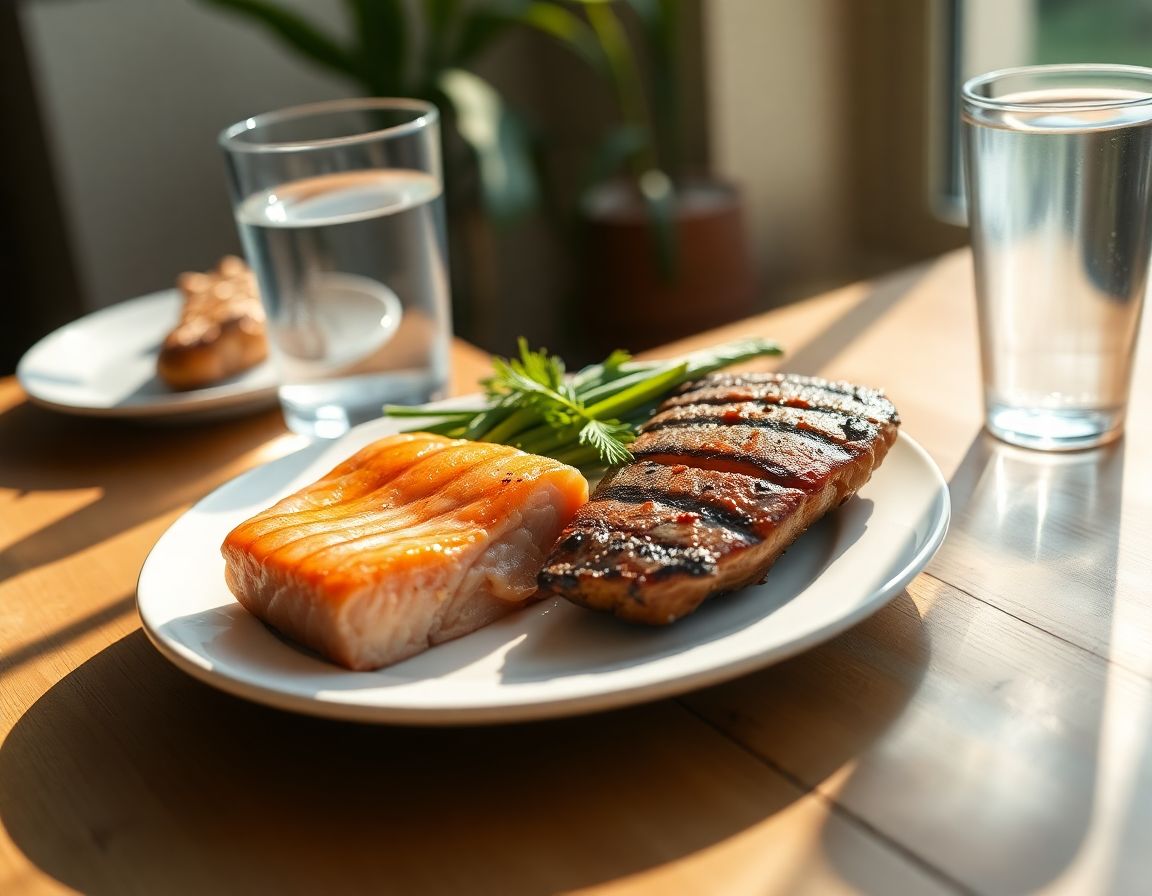
On carnivore, hitting that is easier than on most diets. A ribeye, a few eggs, some ground beef across the day, and you're often there without trying hard. If your meals feel small or you're losing strength, protein is the first thing to check.
Bone Density Deserves Real Attention
Estrogen helps protect your bones. When it declines, bone loss can speed up, and the years right around menopause are when women lose the most. This is the part nobody warns you about until it shows up on a scan.
Here's the encouraging part. Protein isn't bad for your bones, despite the old myth that it leaches calcium. The newer research suggests adequate protein actually supports bone strength, especially when you're also getting enough calcium and staying active.
Carnivore can support your bones if you eat the right foods. A few things I'd pay attention to:
- Calcium sources. Bone-in fish like sardines and canned salmon with the bones, plus dairy if you tolerate it, like cheese and yogurt.
- Vitamin D. Egg yolks and fatty fish help, but many women over 45 still run low. Worth getting your level checked.
- Resistance training. Lifting weights or doing bodyweight work tells your bones to stay strong. Food alone won't do it.
If you've already been told you have low bone density or osteoporosis, this is exactly the kind of thing to bring to your doctor before making changes. Diagnosed conditions need someone watching your specific numbers.
The Hormone Shift Changes How You Feel
Perimenopause can scramble a lot of things. Sleep, mood, energy, hot flashes, that frustrating belly weight that wasn't there before. Some women find carnivore steadies these out. Others notice changes that take a few weeks to settle.
Let me explain why food can help here. Blood sugar swings make hormone symptoms worse, and a steady protein-and-fat way of eating tends to keep blood sugar calm. Calmer blood sugar often means steadier mood and fewer energy crashes.
I've talked with women who saw better sleep and lighter hot flashes within a month or two. I've also talked with women whose cycles changed in surprising ways during the transition. Your situation might be different, and that's normal.
Everyone's baseline is different in midlife. What settles one woman's symptoms may not do the same for you, especially with hormones in flux. Give your body a few weeks before you judge how it's responding.
Practical Adjustments That Help
You don't have to overhaul everything. A few small shifts make the biggest difference for women in this stage.
- Front-load protein at breakfast. Aim for 30 grams or more in your first meal. It sets the tone for energy and helps protect muscle.
- Don't fear the fat. Fat keeps you full and supports hormone production. Going too lean often backfires with more cravings and less energy.
- Mind your electrolytes. Sodium, potassium, and magnesium matter more as you age. Low magnesium can worsen sleep and cramps, both common complaints in menopause.
- Lift something heavy. Two or three short strength sessions a week protect muscle and bone better than any food can on its own.
- Check your bloodwork. Vitamin D, ferritin, and a basic metabolic panel give you real data instead of guessing.
Give It Time and Watch Your Own Data
The women who do best with carnivore after 45 are the ones who track how they actually feel and adjust slowly. Your energy, your sleep, your strength, and your bloodwork tell the real story, not the scale alone.
If you want a starting point for your own protein target, the calculator on our site gives you a personalized number based on your weight and goals. Some women find it helpful for knowing where to aim.
Take it one meal at a time. Eat enough protein, protect your bones, mind your electrolytes, and give your body the weeks it needs to settle into this stage.
I'm not a doctor. I've researched this deeply and talked with many women, but I'm not your doctor. If you have health conditions, take medications, or need specific guidance, talk to someone who knows your full medical picture. Everything I write is educational based on research and what I've seen work. Your situation might be different, and after 45 that's truer than ever.