
This post may contain affiliate links. For educational purposes only, not medical advice. Details
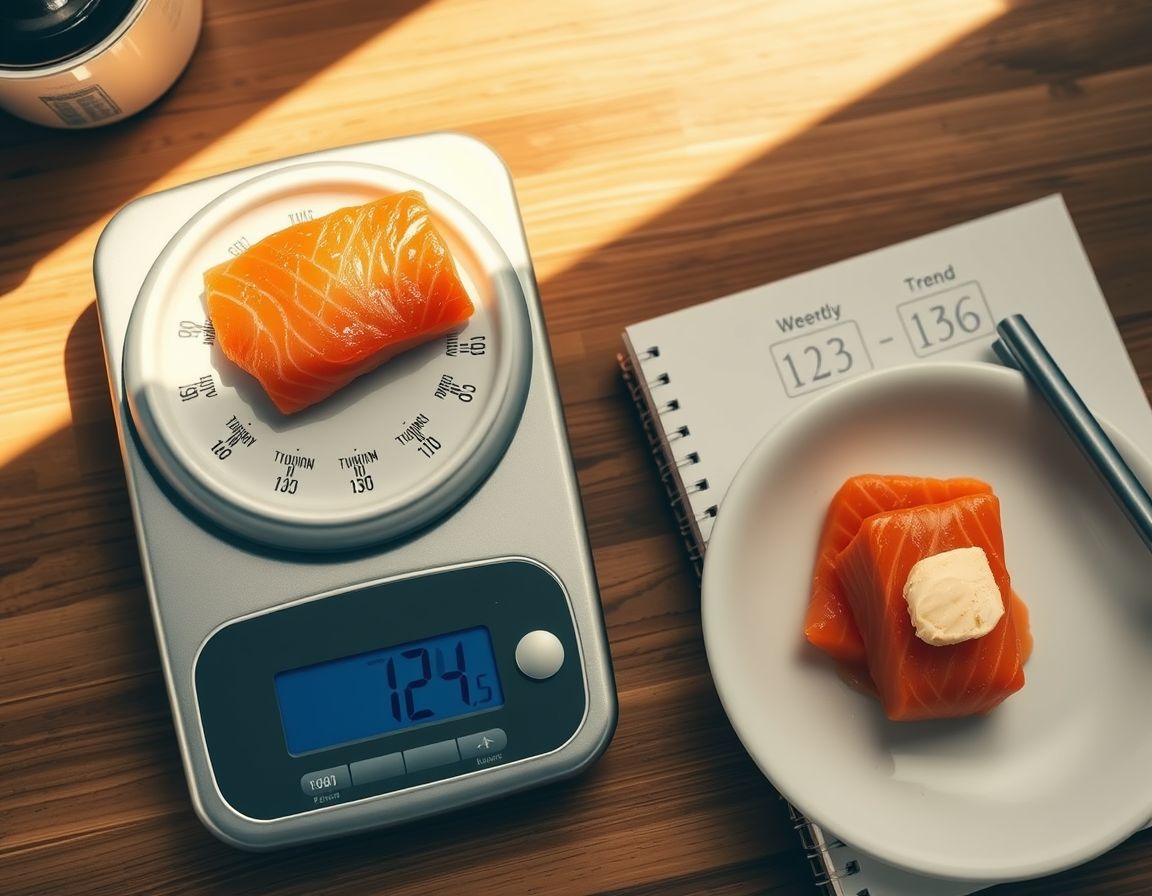
You hit your goal weight. Now what do you eat? Here's the short answer. Carnivore maintenance calories aren't a number you guess once. You find them. Keep your protein exactly where it is, add fat back in small steps, and let a two-week weigh-in trend tell you when to stop adding.
That's the whole protocol. Protein stays put. Added fat is the lever you turn up slowly. The scale trend, not one morning's number, decides each step. If you want a starting point for your numbers, run the free macro calculator at your new weight and choose "maintain."
Why Maintenance Needs a Plan of Its Own
A lot of people lose a big amount of weight, then life gets loud. A move, a sick parent, a job change, a stretch of working from home with takeout on speed dial. The weight comes back, sometimes with extra. Then they start round two, and round two feels harder.
If that's you, there's no shame in it. The problem usually isn't willpower. It's that nobody handed them a plan for the day they reached goal. You built a plan to lose. You need a second plan to stay. And the best time to write it is before you need it.
Step 1: Keep Protein Exactly Where It Is
Protein is the anchor. It protects your muscle, which matters more every year past 45.
The target is 0.8-1.0 g of protein per pound of goal weight. At goal, your goal weight and your current weight are the same number, so the math gets easy. A woman maintaining at 145 lb aims for roughly 116-145 g a day.
Spread it out. 30-40 g per meal works better than one huge plate, especially after 50. For that 145 lb reader, that's three or four meals of about 30-40 g each. If you want the full breakdown, our guide on how much protein you actually need walks through it.
Step 2: Add Fat Back, One Small Step at a Time
Added fat is the lever. It's the easiest thing to turn up and the easiest thing to turn back down. Here's what one step looks like. Pick one per two weeks:
- Add 1 tablespoon of butter or tallow a day (about 100 calories).
- Switch from lean ground beef to 80/20 for one meal a day.
- Swap one lean cut for a fattier one, like chicken thighs instead of breast, or a ribeye instead of sirloin.
That's it. One change, then wait two weeks. Stack three at once and you won't know which one moved the scale.
A loose guide many people find useful: roughly equal grams of fat and protein is a comfortable place for appetite. Your hunger and your trend matter more than any ratio.
Step 3: Use the Two-Week Trend Rule
Single weigh-ins lie. Water, salt and sleep can move the scale 2-3 lb overnight.
Here's the protocol:
- Weigh at least 3 mornings a week, after the bathroom, before eating.
- Write each number down.
- Every two weeks, average those numbers and compare to the last two-week average.
Then follow the rule:
- Average flat or still dropping: add the next fat step.
- Average up about 1 lb: hold where you are for another two weeks.
- Average up 2 lb or more: take back the last fat step you added.
Once the average sits flat for a month or so, you've found your maintenance zone. Stop adding. That's your eating pattern now.
A tape measure helps here too. Check your waist once every two weeks. If the scale drifts up a pound but your waist hasn't moved, you're probably fine.
Step 4: Set Your Guardrail Before You Need It
This is the step most people skip, and it's the one that matters most. Decide today what number means "act now."
Pick a band around your goal. Many people use 3-5 lb above goal as the top. The rule is simple: if your two-week average crosses the top of the band, you act that week. Not after 10 lb. Definitely not after 20.
Acting means this, in order:
- Take back your most recent fat step.
- Run a 7-day food audit. Write down everything, including added fat, cheese, cream in coffee and the bites while cooking.
- Check sleep and stress. A rough few weeks shows up on the scale.
- Recalculate your targets at your current weight.
Five pounds is easy to bring back. Twenty-five is round two. The guardrail exists so you never have to start over.
Step 5: Plan for the Next Life Upheaval
Regain rarely starts with one bad meal. It starts with a season where cooking falls apart. So build your "hard week" plan now, while life is calm:
- A default meal you can make tired. Ground beef and eggs. Ten minutes, one pan.
- A freezer backup. Keep 3-4 lb of cooked ground beef portioned in the freezer.
- A takeout order you've already picked. A bunless burger, a rotisserie chicken, a steak and eggs breakfast. Decide now so you don't decide hungry.
- A weigh-in you keep even when things are messy. Three mornings a week, even if nothing else is on track.
If you've been through a regain before, the fear of losing control at goal is real. The answer isn't to never stop dieting. It's to have a written plan, a guardrail number, and a fallback meal. Protocol beats willpower, especially on your worst week.
If You're on Round Two Right Now
Start where you are. Protein at 0.8-1.0 g per pound of goal weight, added fat trimmed, and a realistic pace. Over 50, 0.5-1 lb a week is a good rate after the first week of water loss. Our look at carnivore weight loss results covers what to expect.
Then, when you get back to goal, run this maintenance plan from day one. You did it once. This time you'll have the second half of the plan too.
One more thing. If you take medicine for blood pressure, blood sugar or anything else, tell your doctor you've reached goal. Needs can change as weight changes, and adjusting medicine is your prescriber's call, not something to change on your own.
I'm not a doctor. I've coached people and competed myself, so I know what works. But I'm not your doctor. If you have health issues or take meds, check with someone qualified. Everything here is based on what works in practice and what research supports. Your mileage may vary.