
This post may contain affiliate links. For educational purposes only, not medical advice. Details
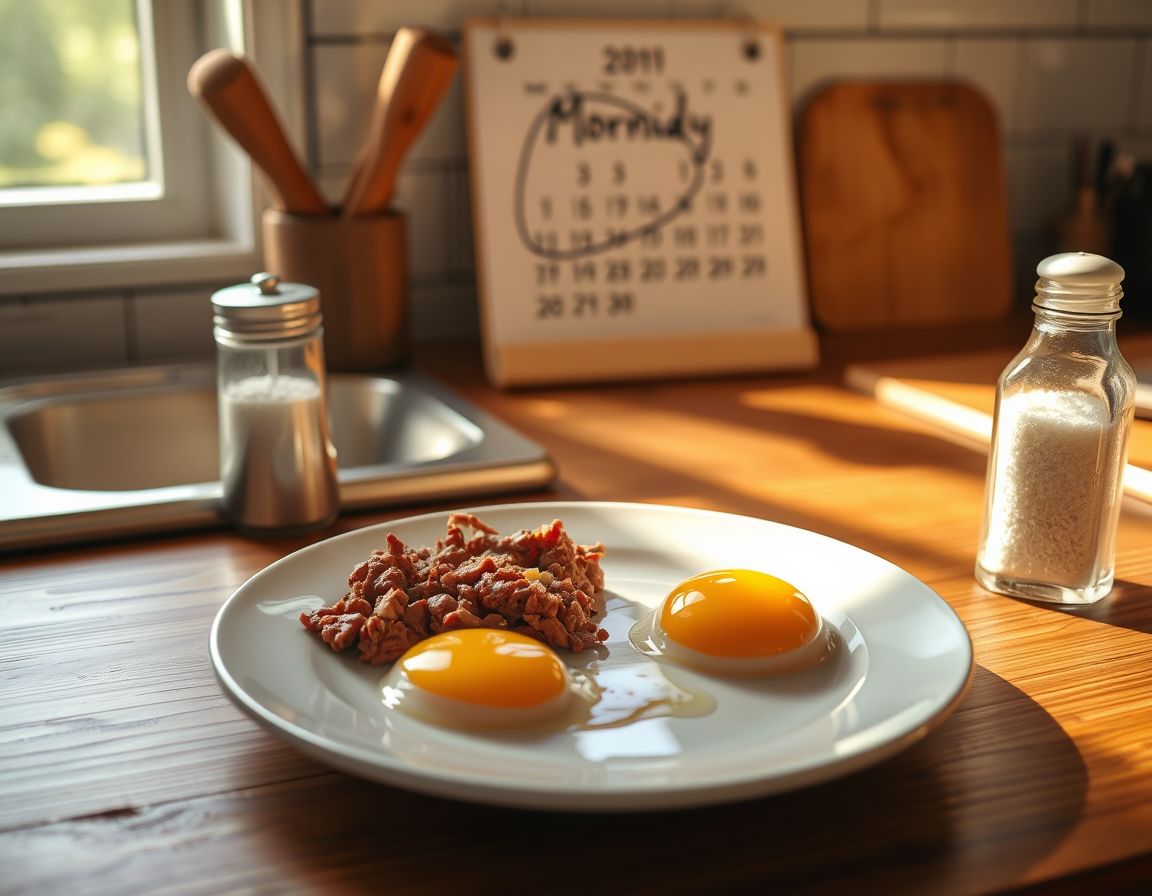
Okay, so you took a break, and now you want back in. Good news: restarting carnivore after a break is usually easier than the first time. Many people find their body remembers the routine faster than they expected, and the first week back tends to feel milder than week one the first time around.
Here's the short version. Eat simple food (ground beef and eggs are still the easiest on-ramp), salt it, skip the guilt, and give yourself about a week before you judge anything. If you want a rough starting point for protein and portions, our free macro calculator takes about two minutes. You don't need it to begin, though. Eating until you're satisfied is enough for now.
First, drop the all-or-nothing story
Real talk: the break didn't erase anything. You're not "back at zero." You're a person who already knows what meat-based eating feels like, and that counts for a lot.
If you've been through this loop a few times and it's wearing on you, I wrote about that in why we keep restarting on day one. This post is the other half: what the first seven days back actually look like, one day at a time.
Days 1 and 2: the easy part
Keep it boring. Ground beef, eggs, a steak if you have one, salt. That's the whole menu.
You don't need a fancy meal plan or a long shopping list. Cook a big batch of ground beef so tomorrow's lunch is already done. Eat when you're hungry, and eat until you're comfortably full.
Don't count anything. We suggest skipping the tracking for the first 8 weeks. Eating to satisfaction is the whole job right now.
Some people notice a surprise here: the cravings feel quieter than they remember. Others feel a little foggy by the end of day two. Both are normal.
Days 3 to 5: the bumpy stretch (shorter this time, for many)
This is where the first time got rough, and it can show up again. The roughest patch for most people runs from about day 3 to day 10. Headache, tiredness, a little crankiness, maybe some cramps at night.
Here's the thing: a lot of that is your body shedding water and sodium as your carbs drop. So salt your food to taste, a bit more than feels natural, and spread it through the day instead of taking it all at once. If you have high blood pressure or a salt limit, check with your doctor first.
The scale may drop fast. In week one, a loss of 3 to 7 pounds is typical, and it's mostly water and stored carbohydrate. If you're smaller or older, expect the lower end of that. It isn't fat loss yet, and it isn't a prize you have to chase.
The good news some people report from returning after a long gap: energy, sleep and mood started coming back within just a few days. Not everyone gets that, and it varies a lot, but it's common enough to be worth knowing. It can make the hard days feel shorter.
Days 6 and 7: the first "oh, I remember this"
By the end of the week, many people feel steadier. Hunger is calmer. You may go longer between meals without thinking about it.
Don't test it by skipping meals, though. Aim for a decent amount of protein at each meal, somewhere around 30 to 40 grams, rather than one giant dinner. That tends to work better if you're over 50.
Full adaptation takes longer. Most people feel settled somewhere between weeks 4 and 6, and some need more time. Judge the whole thing at 60 to 90 days, not on day seven.
What to skip this time
- Skip the "perfect" start. You don't need a fresh Monday or a clean slate. Tomorrow's meal is a fine place to begin.
- Skip the tracking app. Eat to satisfaction for now.
- Skip the fancy stuff. No complicated recipes, no new gadgets. Ground beef and eggs.
- Skip the strictness contest. Beef-only elimination is a specific tool some people use for symptoms. It isn't the default way back in.
- Skip the weigh-in every morning. Week one's number is mostly water. Once a week is plenty.
Some people with autoimmune conditions feel the pull to go extra strict right away, because they remember how good they felt. That's understandable. If that's you, talk with your doctor or dietitian first, and let the plan be one you can actually keep.
If keto felt harder than meat
This one comes up a lot. Some people find a keto approach harder to stick with than simply eating meat. All the rules about net carbs, label reading and "is this okay?" add up. Meat, salt and water has fewer decisions.
If you're comparing the two, our carnivore vs keto breakdown lays out the differences.
Eating with other people (the hard part)
Many people say the social side is harder than the food itself. A few things that help:
- Accept the side dishes. Say thank you, put them on your plate, move them around, and leave them there. No speech needed.
- Watch the bun-less burger. Some people find that a lettuce-wrapped or bun-less burger from a restaurant leaves them bloated, likely from sauces and extras. Ask for plain patties, or order a steak with salt.
- Eat a little before you go. Arriving hungry makes everything harder.
For more on this, see our post on doing carnivore around family.
A note on medications
If you take medicine for blood pressure, diabetes, or anything else, a restart is worth a quick call to your prescriber. Eating this way can change how your body handles some medications, and any changes to your dose are your doctor's decision, not ours. A short check-in beats guessing. Bring your questions and let them be your partner in this.
The takeaway
You're not starting over. You're picking something back up. Week one back is mostly salt, simple meals, a little patience, and not making each day a pass or fail test. If you eat something off-plan on day four, your next meal is the next meal.
I'm not a doctor. I'm just someone who's deep in the community and reads everything. Take all health stuff with a grain of salt (pun intended). I can tell you what people are trying and what's trending, but you gotta make your own calls. This is the real tea, not medical advice.