
This post may contain affiliate links. For educational purposes only, not medical advice. Details
They Both Cut Carbs. That's Where the Similarity Ends.
People lump carnivore and keto together all the time. Both ditch bread, sugar, and pasta. Both put your body into ketosis. But the daily experience of eating carnivore versus keto is completely different, and choosing the wrong one for your body can mean months of frustration.
Keto is about math. Carnivore is about simplicity. That distinction changes everything, from what your grocery cart looks like to how your brain feels at 3 p.m.
The Food List Problem
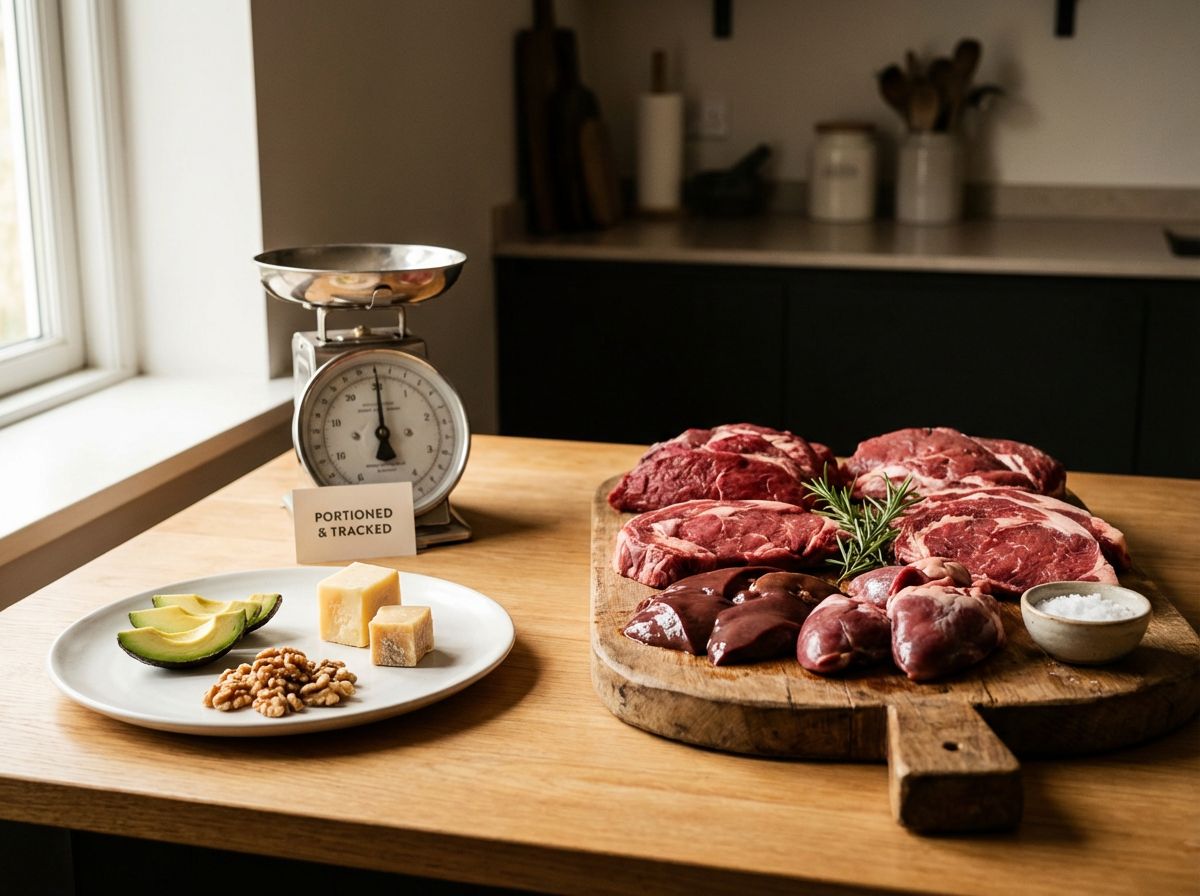
Keto gives you a long list of approved foods and asks you to track macros. You can eat avocados, nuts, dark chocolate, cauliflower, cheese, and meat. The catch? You need to keep net carbs under 20-50 grams daily. That means weighing food, checking labels, and doing math at every meal.
Carnivore gives you a short list: meat, fish, eggs, and animal fats. Some people add dairy. That's it. No tracking. No apps. No macro calculators. You eat until you're full and stop.
For people who burned out on calorie counting, carnivore's simplicity is the whole point. I've worked with clients who spent years bouncing between keto apps, measuring tablespoons of almond butter, and agonizing over whether that extra handful of berries knocked them out of ketosis. When they switched to carnivore, the mental load dropped overnight.
That doesn't make keto bad. It makes carnivore a better fit for people who are done counting things.
Leaning keto rather than carnivore?
KetoDial is our sister site for the keto side of this. Same team, same approach to the numbers, built for keto, low-carb and animal-based eating instead of meat only.
See your keto macros ›Macros: Where the Numbers Diverge
A standard keto diet runs about 70-75% fat, 20% protein, and 5% carbs. You're actively managing all three numbers.
Carnivore typically lands around 60-70% fat and 30-40% protein with virtually zero carbs. But nobody's counting. You just eat animal foods and your macros sort themselves out.
The protein difference matters more than most people realize. Keto dieters sometimes undereat protein to stay in ketosis, especially if they're using urine strips or blood meters and chasing higher ketone numbers. A 2020 study in the Journal of the International Society of Sports Nutrition found that higher protein intakes (above 1.6g per kg of body weight) improved body composition without knocking people out of ketosis. Carnivore naturally hits those higher protein targets.
I've seen this pattern repeatedly: someone eats keto for six months, loses weight, but also loses muscle tone. They look "skinny fat." The problem isn't keto itself. It's the protein restriction that keto culture sometimes encourages. On carnivore, protein is never the enemy. You eat the steak. All of it.
What Happens Metabolically
Both diets produce ketones. Your liver converts fat into beta-hydroxybutyrate, which your brain and muscles use for fuel. On that front, the metabolic state is similar.
The difference shows up in inflammation and food reactions. Keto still includes plant foods: nuts, seeds, vegetables, and sugar alcohols in "keto-friendly" snacks. For people with food sensitivities, these can trigger gut issues, skin problems, or joint pain that they wrongly blame on "keto flu" or "not doing keto right."
Carnivore works as an elimination diet. By removing all plant foods, you strip away lectins, oxalates, phytates, and fiber. If a food sensitivity was causing symptoms, carnivore exposes it fast. A 2021 survey published in Current Developments in Nutrition found that carnivore dieters reported improvements in 95% of health conditions they tracked, including digestive issues, skin conditions, and joint pain.
This is why so many people discover carnivore after keto. They felt better on keto but not great. Removing the remaining plant foods was the missing piece. If you've been keto for months and still have lingering digestive issues, that's worth paying attention to.
The Ketone Number Trap
Keto culture obsesses over ketone levels. People buy blood meters, test strips, and track numbers daily. Higher ketones must mean better results, right?
Not necessarily. Ketone levels fluctuate based on hydration, exercise, time of day, and how long you've been fat-adapted. A long-term keto or carnivore dieter might show lower ketone readings than a beginner because their body has become efficient at using ketones. Lower numbers can actually mean better adaptation.
Carnivore dieters rarely test ketones. They focus on how they feel: energy, mental clarity, sleep quality, digestion. These markers matter more than a number on a meter.
Who Should Pick Which
Keto makes sense if you enjoy food variety, don't mind tracking, and feel good eating plants. It's flexible and well-researched for weight loss and blood sugar management. If you like cooking with vegetables, eating nuts as snacks, and using keto-friendly sweeteners, keto can work well long-term.
Carnivore makes sense if you've tried keto and still have symptoms. If tracking macros stresses you out. If digestive issues, autoimmune conditions, or chronic inflammation haven't resolved on keto alone. Or if you just want the simplest possible relationship with food.
Many people start keto, feel better, then switch to carnivore when they want something simpler or need to dig deeper into food reactions. That's a common and valid progression. Chloe's analysis of real community results shows this pattern repeating across hundreds of people.
Switching from Keto to Carnivore
If you're already keto-adapted, the transition is easier than going from a standard diet. You're already fat-adapted, so the metabolic shift is minimal. Drop the plant foods, increase your meat portions, and give it 2-3 weeks for your gut bacteria to fully adjust.
The main adjustment is mental. Keto conditions you to fear "too much protein." On carnivore, protein is your friend. Eat the steak. Have the extra eggs. Your body knows what to do with them.
One thing to watch: electrolytes. Without vegetables providing potassium and magnesium, supplement with salt (liberally), magnesium glycinate, and potassium if needed. This prevents headaches and muscle cramps during the first week. I covered the full electrolyte picture in my electrolyte deficiency guide.
Expect your appetite to shift in the first two weeks. Many people feel hungrier initially as their body requests more protein. Don't restrict. Eat until satisfied. Your appetite will naturally calibrate within 2-3 weeks, and most people find they eat less total food than they did on keto without trying.
The Bottom Line
Keto and carnivore share a foundation but serve different people. Keto is the Swiss army knife. Carnivore is the scalpel. Pick the tool that matches your problem.
If you're not sure, try carnivore for 30 days. It's easier to add foods back in than to figure out which one is causing trouble. And if you miss avocados after 30 days, keto is always there waiting for you. No wrong answers here, just different tools for different situations.
Want the same comparison argued from the other corner? Our sister site wrote one: keto vs carnivore, from the keto side.