
This post may contain affiliate links. For educational purposes only, not medical advice. Details
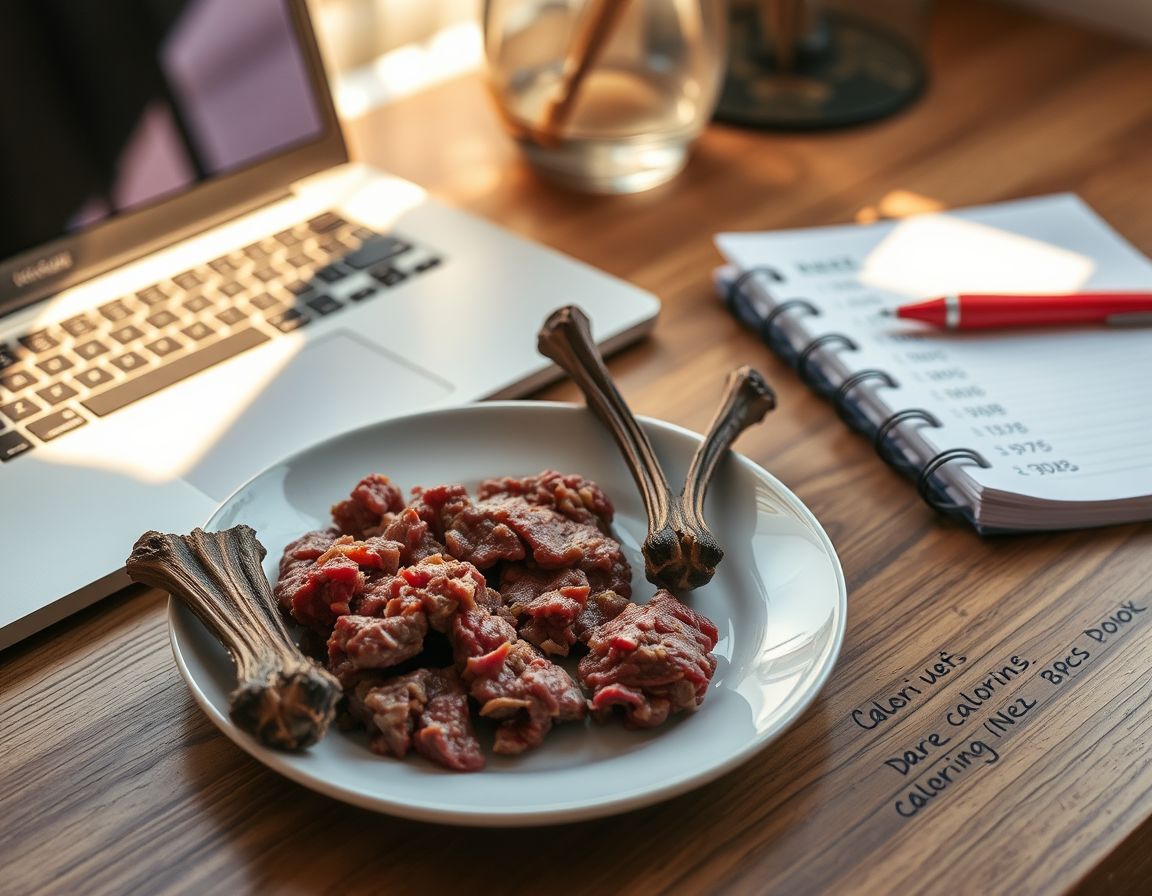
If you have a desk job, no formal exercise, and you're trying to lose weight, use an activity multiplier of 1.2. Take your calorie burn at rest, multiply by 1.2, and that's your maintenance number. Most sedentary women over 45 land between 1,500 and 1,800 calories. Most men, 1,900 to 2,300.
Then cut 15 to 20 percent off that for fat loss. Not 40 percent. For a 60-year-old woman who is 5'4" and 175 pounds, that's roughly 1,620 calories to maintain and about 1,350 to lose. That pace gets you 0.5 to 1 pound a week, which is where we want it over 50. If you'd rather not do the arithmetic by hand, the free macro calculator runs the same formula.
Pick your multiplier honestly
This is where most people go wrong, and they go wrong in the generous direction. The honest scale:
- 1.2: desk job, under 5,000 steps, no deliberate exercise. More of us than admit it.
- 1.3: desk job but you genuinely walk. 7,000 to 9,000 steps most days, a real 20-minute walk each way.
- 1.4 to 1.5: on your feet for work, or three to five real training sessions a week.
- 1.55 and up: hard training most days. If you're wondering whether you qualify, you don't.
Some people at a desk really do hit 8,000 steps by walking to work and taking breaks outside. If that's you, 1.3 is fair. But housework and "I'm busy all day" aren't exercise. Being tired isn't burning calories.
The protein floor is the number you don't touch
Protein is the anchor. Everything else moves. We use 0.8 to 1.0 grams per pound of goal body weight, and the denominator matters. Goal weight, not current weight.
So our 175-pound reader aiming for 150 needs 120 to 150 grams of protein a day. That's the floor. It doesn't drop because your calories dropped. Split it across two or three meals at 30 to 40 grams each, because past 50 your body uses protein better in spaced doses than one giant evening pile. The mechanics are in how much protein you actually need on carnivore.
Fat is the lever. At maintenance, roughly 1:1 fat to protein by grams is the satiety baseline most people settle into. When you're cutting, that ratio drops, and it should. Take 130 grams of protein at 1,350 calories and you have about 90 grams of fat left, closer to 0.7:1. Get there by trimming added fat first: less butter in the coffee, less tallow in the pan. Never by cutting protein.
Why "just eat more" is usually wrong at a desk
Eat more is the community reflex, and it's often right. Right for someone training five days a week who is underfueling, or someone who slid to 900 calories by accident. Frequently wrong for someone who sits nine hours and wants the scale to move.
You'll see advice to push fat to 2:1 over protein. Some people find that fixes their hunger and their energy, and at maintenance it's a reasonable place to live. But do the math on a sedentary day. A hundred grams of butter in your morning coffee is about 720 calories before one bite of meat. On a 1,350-calorie target, that's over half the day gone. Not a moral failure, just arithmetic.
Here's the useful version of eat more: if you're snacky an hour after a meal, the fix is usually more protein and more salt, not more added fat. Get 3 to 5 grams of sodium a day, spread out. One teaspoon of salt is about 2.3 grams of sodium.
The muscle problem nobody warns you about
Here's what I hear from women who went sedentary after years of being active. Appetite fell off a cliff, weight dropped, and a real chunk of what left was muscle. Some describe eating three eggs and 150 grams of meat twice a day and calling it intuitive. That's around 70 grams of protein, well under the floor, and the body takes the difference out of your legs.
Low appetite is real and common. It just isn't a good protein prescription. Hit the floor even on days you don't feel like eating, then let fat and total calories float with your hunger. Carnivore after 60 goes deeper on protecting muscle and bone.
Fatty meat, lean meat, plain English
The vocabulary gets confusing, so let's fix it. Streaky bacon is standard American-style bacon, the strips with white stripes running through them. More fat than protein. Back bacon, the round British kind, is much leaner. And sausage isn't automatically fatty meat. It's whatever the maker put in it, anywhere from 12 to 30 grams of fat per 100 grams, plus fillers and sugar in plenty of supermarket versions. Read the label, every brand.
Reliable fatty picks: 80/20 ground beef, pork belly, ribeye, egg yolks, salmon, mackerel, sardines, butter. Lean picks: sirloin, 90/10 ground beef, chicken breast, shrimp, white fish. Cutting means more from the lean list, less added fat in the pan.
What 1,350 calories actually looks like
Raw weights, because that's how you buy it:
- 4 eggs cooked in the beef fat: 24 g protein, 20 g fat
- 8 oz of 80/20 ground beef: 40 g protein, 45 g fat
- 6 oz sirloin: 38 g protein, 10 g fat
- 4 oz salmon or two tins of sardines: 22 g protein, 14 g fat
That's about 124 grams of protein, 89 grams of fat, 1,315 calories, across two or three meals. Add a couple tablespoons of butter and you're at maintenance instead. That's how small the gap is, and why added fat is the dial you turn.
Don't count forever
One caveat on all of this. Inside your first eight weeks, don't count at all. Eat to satiety, clear the protein floor, and come back to these numbers only if nothing has moved by then. After that, count for two or three weeks to calibrate your eye, then stop and eat to satiety. Plenty of long-term carnivores track nothing and hold a steady weight for decades. That's the goal. Counting is a diagnostic tool, not a life sentence.
If you stall three to four solid weeks with no movement on the scale and none on the tape measure, run a 7-day food audit, check sleep and salt, then recalculate at your current weight. Not before. KetoDial makes the same case for rerunning your numbers every ten pounds. Our weight loss results guide shows what a normal curve looks like so you don't panic at week three.
I'm not a doctor. I've coached people and competed myself, so I know what works in practice. But I'm not your doctor. If you take insulin, blood pressure medication, or a diuretic, cutting calories isn't a small change and your prescriber needs to know first. Medication decisions belong to them. Your job is to measure and ask good questions.