
This post may contain affiliate links. For educational purposes only, not medical advice. Details
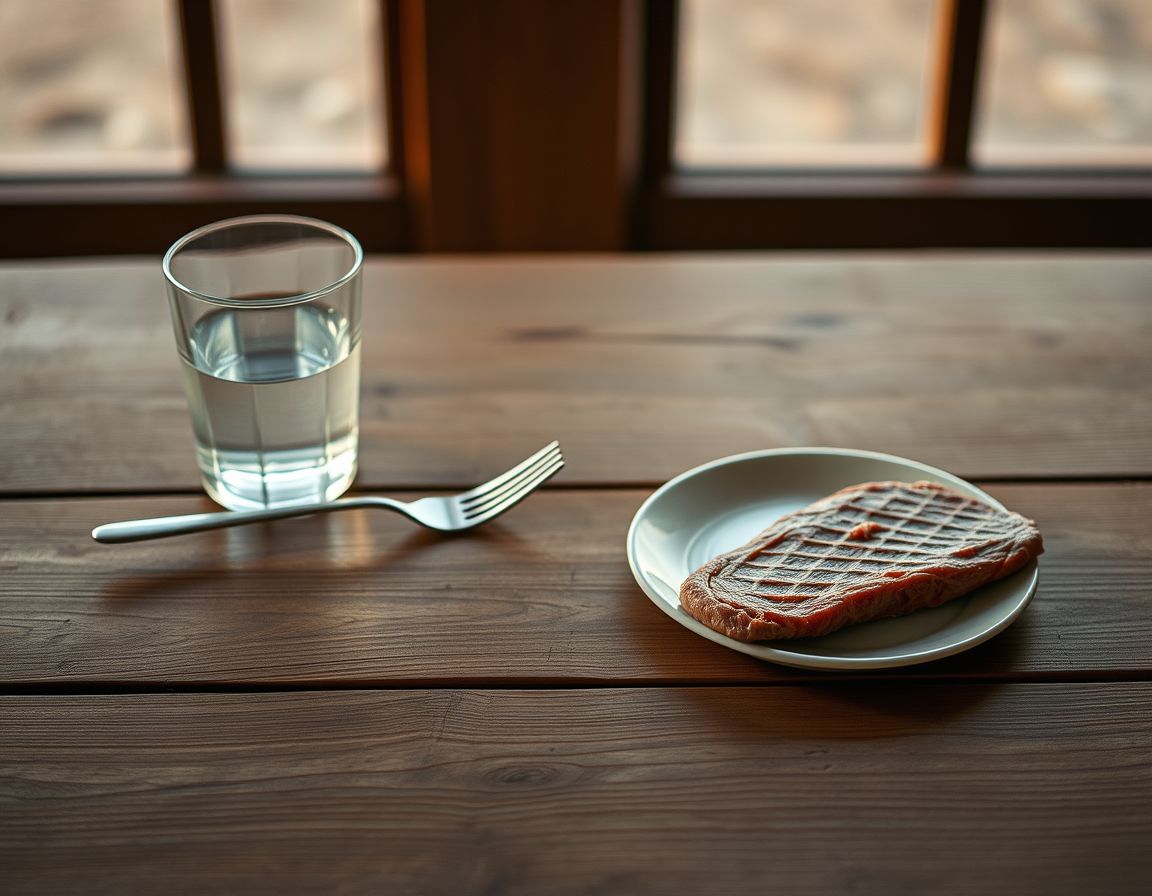
The honest answer to how you stop sugar cravings on carnivore is that you stop answering them. Not with berries, not with dark chocolate, not with sugar-free candy that tastes almost like the real thing. Every substitute you reach for keeps the craving pathway open and tells your brain the negotiation is still going. The cravings fade fastest in the people who quit negotiating.
That sounds harsh, so let me soften it with the part nobody tells you. Cravings on this diet are usually not a willpower problem. They're three specific, fixable things stacked on top of each other. You're eating less protein and fat than your body needs. You have a nightly habit loop that has nothing to do with hunger. And your blood sugar is still swinging because your body hasn't finished switching fuels. Fix those three and the cravings drop off on their own, usually within a couple of weeks. I'm describing patterns here, not your situation, so read it that way.
Why swaps keep the craving alive
A craving is a learned loop. Cue, behavior, reward. When you swap in a low-carb sweet, you keep the cue and the reward intact and only change the middle part. Your brain reads that as a win and files it away to try again tomorrow night.
There's some evidence that sweet taste on its own, without any sugar, can nudge appetite in some people. The research is mixed and I won't overstate it. What I'll say instead is what I keep seeing. People who go strictly savory for two or three weeks stop thinking about sweets. People who keep a nightly sweet ritual, even a compliant one, are still fighting it three months in.
Some people do fine with a few raspberries and never lose the thread. If that's you, great. But if you're two days in and asking what you can eat that's sweet, the answer that serves you is nothing, for now. Give it a hard three weeks, then revisit from a calmer place.
Driver one: you're not eating enough
This is the biggest one and the least dramatic. Most beginners, especially women over 45 who've spent decades dieting, eat far too little in the first week. Then they're blindsided by 8 p.m. cravings and think they're broken.
Aim for 0.8 to 1.0 grams of protein per pound of your goal body weight. Goal weight, not current weight. Split it across meals rather than one giant dinner, because after 50 your body handles 30 to 40 grams per meal much better than a single large dose. I covered the details in how much protein you actually need on carnivore, and the protein floor matters even more once hormones shift.
Protein is your anchor. Fat is your lever. A rough starting point for satiety is about one gram of fat per gram of protein, then adjust. If you're ravenous at night, add fat to your meals for a week and see what happens. If you want a starting point for your own numbers, the free macro calculator will give you a target to work from.
Don't count calories for the first eight weeks. Eat until you're genuinely satisfied. Undereating early is the most common reason a beginner's cravings stay loud.
Driver two: the nightly habit loop
Notice when your cravings hit. For most people it's not random. Same chair, same hour, same stretch of quiet after the day's work is done.
That's not hunger. That's a cue firing on schedule. Which is good news, because habits respond to structure faster than they respond to willpower.
- Move the evening. Change the chair, take a short walk after dinner, do something with your hands.
- Eat enough at dinner. A dinner that leaves you satisfied removes most of the fuel for a 9 p.m. hunt.
- Have a savory backstop. Some people keep a couple of hard boiled eggs or a slice of leftover steak ready, so the answer to a craving is food rather than a decision.
- Give it a name. When it hits, say out loud that this is a habit, not hunger. Sounds silly. Works surprisingly often.
Driver three: your fuel system is mid-switch
In the first several days your body is running low on stored glucose and isn't efficient at burning fat yet. That gap is where the worst cravings and headaches live. It's real physiology, not weakness.
The roughest patch is usually days three through ten. Most people feel meaningfully adapted somewhere in weeks four to six, and full fat adaptation can take eight to twelve weeks. Sleep often gets weird in weeks two and three, which makes cravings worse, because tired people crave sugar. That's just how brains work. It's the same pattern low-carb eaters run into, and our sister site wrote up why keto wakes you up at 3 a.m.
So how long does this actually take?
Here's where I won't give you one number, because the honest range is wide. Some people describe cravings gone in a few days. Others say a week, then feeling better than they have in years. Plenty report two to three weeks before something clicks and hunger stops running the show. And some say it took months.
What seems to separate the fast cases from the slow ones is fairly consistent. Eating enough protein and fat from day one. Not using sweet substitutes. How many years of insulin resistance you're working against. Whether you sleep. And whether you keep re-triggering the loop with a nightly ritual.
If you want a realistic picture of the early stretch, what actually happens in the first two weeks lines up with most of what I hear. Judge this diet at 60 to 90 days, not at day four when your palate is miserable and everything tastes like disappointment.
One caution about medications
Cutting carbs this sharply can drop blood sugar and blood pressure quickly. If you take insulin, a sulfonylurea, or blood pressure medication, that's a conversation to have with your prescriber before you start, not after. Ask what to monitor and how often. Your doctor adjusts your doses, not you, and not a blog. I wrote more about the monitoring side in type 2 diabetes on carnivore.
I'm not a doctor. I've researched this deeply and worked with a lot of people, but I'm not your doctor. If you have health conditions, take medications, or need specific guidance, talk to someone who knows your full medical picture. Everything I write is educational, based on research and what I've seen work. Your situation might be different.
The cravings do end. They end faster when you feed yourself properly, break the evening loop, and stop handing your brain a substitute every night. Two or three weeks of savory is a small price for not thinking about sugar anymore.