
This post may contain affiliate links. For educational purposes only, not medical advice. Details
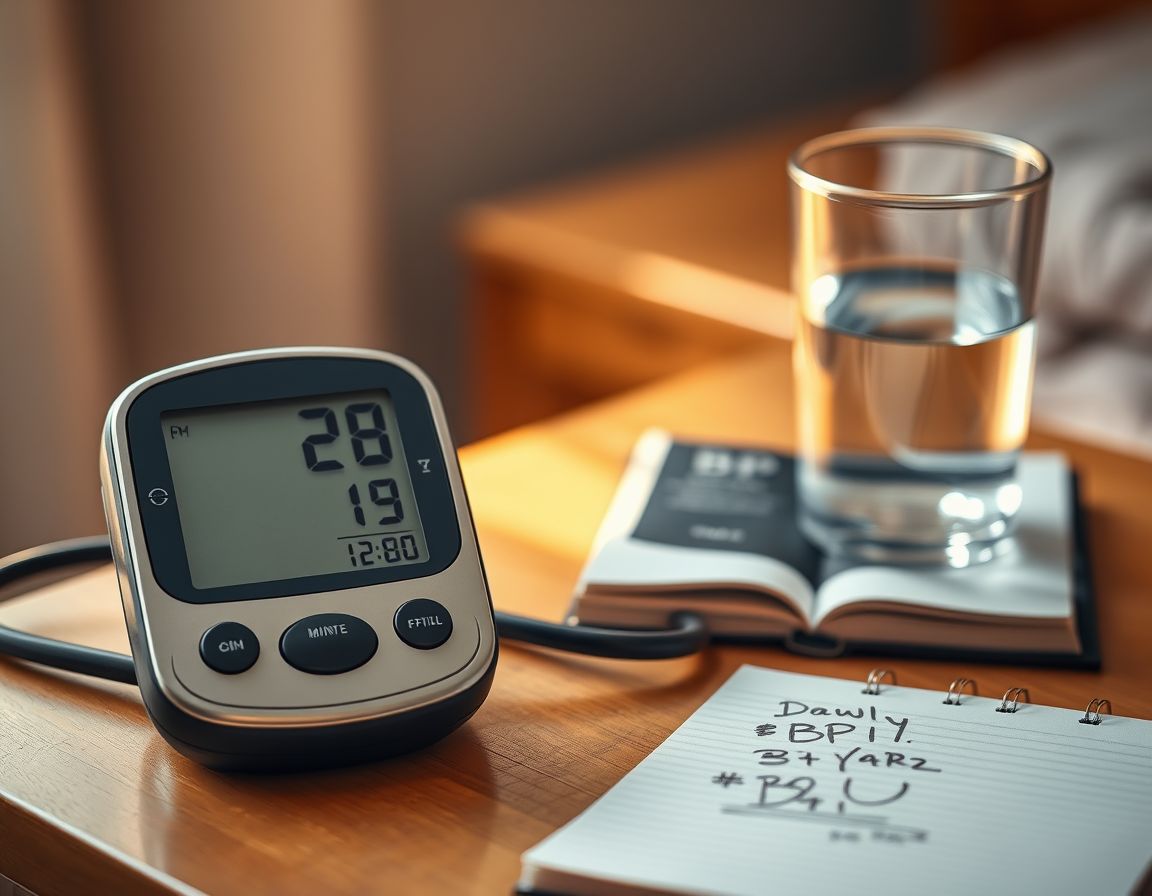
If you started carnivore a few weeks ago and now you're getting dizzy when you stand up, lightheaded in the shower, or a little foggy in the afternoon, and you take blood pressure medication, there's a good chance those two things are connected. Cutting carbs tends to lower blood pressure, sometimes quickly. Your medication is still lowering it too. The dose that was right for you in June may be too much for the body you have in August.
Here's the part I want to be clear about right away. The answer is never to cut your pill in half or skip a day to see what happens. Only your prescriber can change that dose, and they need a reason on paper before they will. So your job is smaller and more useful than you think. Take readings, write them down, and get them in front of your doctor sooner than your next scheduled visit. That's the whole plan.
Why blood pressure often falls fast on this way of eating
Three things usually happen at once in the first month or two. You drop a lot of water weight as insulin levels come down. You stop eating most of the processed food that was quietly carrying a large share of your sodium and your calories. And if you're losing weight at all, that alone takes pressure off the system.
There's more going on underneath with sodium and fluid shifts, but I don't want to repeat myself here. I wrote about that whole cascade in the piece on heart palpitations in the first few weeks of carnivore, and the mechanism is the same one driving these pressure changes.
Research on low-carb eating has fairly consistently shown reductions in blood pressure, and some of the studies had to reduce participants' medications partway through to keep them safe. That's the detail people miss. In a study, someone is watching. At home, nobody is watching unless you set it up.
The problem isn't the low reading. It's the dose nobody adjusted.
A blood pressure of 108 over 68 is a fine number for many people. It becomes a problem when it's the result of a medication doing work your diet is now also doing. That's called stacking, and it's how people end up on the floor of their bathroom at 6 a.m.
The symptoms to pay attention to are the boring ones. Dizziness when you stand from a chair or get out of bed. Vision graying at the edges for a second or two. Feeling washed out and weak in a way that doesn't match what you did that day. Headaches that show up in the afternoon. Some of this overlaps with the ordinary adaptation period most people go through, which is exactly why guessing isn't good enough. You need numbers to tell them apart.
Medication use and diagnosed conditions require professional medical management. Do not alter your treatment plan based on general information, including mine.
How to track readings your doctor can actually use
Most doctors will make a change based on a home log. Very few will make one based on "I've been feeling dizzy." Give them the first thing.
Get a validated upper-arm cuff. Wrist cuffs and watches are not accurate enough for this. Then follow the same routine every time so the numbers mean something:
- Sit for five minutes first, feet flat on the floor, back supported, arm resting at heart level.
- No coffee, food, or exercise for 30 minutes beforehand.
- Take two readings a minute apart and record both. Don't throw out the one you don't like.
- Do this twice a day, morning before your medication and evening, for at least a week.
- Write down the time, both numbers, your pulse, and any symptoms you had that day.
Add one more thing, because it's the reading that catches what's actually making you dizzy. Take your blood pressure sitting, then stand up and take it again after one minute standing. A meaningful drop between those two is the thing your doctor most wants to see, and it will not show up in a normal seated reading.
Bring the log. Paper is fine. A photo of a notebook page is fine. Ask directly: "My blood pressure has come down since I changed how I eat. Can we review whether this dose is still right?" That sentence is doing more for you than anything else in this article.
When to stop tracking and get help now
Tracking is for slow changes. Some things are not slow. Get medical help right away if you have:
- Fainting, or nearly fainting, at any point
- Chest pain or pressure, or a racing heart that won't settle
- Confusion, slurred speech, or trouble finding words
- A fall, even one you got up from and felt fine after
- Readings that stay very low, particularly a top number sitting under 90, or any low reading that comes with symptoms
- Shortness of breath at rest, or skin that's cold and clammy
Please don't wait for your next appointment for any of those. Same-day care or emergency care, depending on how bad it is.
If you live alone, or a fall would be serious
This matters more for some of us than others, and it's worth being honest about which group you're in. If you live by yourself, if you've fallen in the past year, if you have thin bones or a hip or knee that's already been repaired, a dizzy spell isn't a small inconvenience. It's a hospital stay waiting for a bad morning.
So make it harder to get hurt. Sit on the edge of the bed for a slow count of ten before you stand. Put a light where you'll trip in the dark. Keep your phone in your pocket, not on the counter. Tell one person what you're doing and ask them to check in. And move your doctor's appointment up rather than riding it out for six more weeks.
A few things worth knowing while you wait
Don't cut your salt further while this is happening unless your doctor told you to. On carnivore, sodium needs go up, not down, and low sodium will make lightheadedness worse. I went through this in more detail in the post on the electrolyte problem nobody warns you about.
Eat enough. Under-eating is common in the first month because meat is filling, and low intake will drop your pressure further and leave you shaky. If you want a starting point for your numbers, the free macro calculator will give you a reasonable target to eat toward.
And go slower if you can. Some people do better easing in over a few weeks rather than switching overnight, mostly because it gives the medication conversation time to happen before symptoms do.
Your body responded to the change you made. That's not a failure. It just means the plan you were on was built for a different version of you, and it's time for someone qualified to look at it again.
I'm not a doctor. I've researched this deeply and worked with many people, but I'm not your doctor. If you have health conditions, take medications, or need specific guidance, talk to someone who knows your full medical picture. Everything I write is educational based on research and what I've seen work. Your situation might be different.