CARNIVORE WEEKLY

The Meat-Eater's Digest

Premium Cuts of Carnivore Content

Week of 2025-12-26

This Week's Roundup

This week in the carnivore diet community showcased a fascinating mix of practical advice for beginners and advanced optimization strategies. The dominant theme was 'starting fresh' or 'doing it right from the beginning,' with multiple creators including Steak and Butter Gal, Kelly Hogan, and Dr. Tony Hampton addressing common mistakes and offering refined approaches for 2026. There's a strong emphasis on sustainability and troubleshooting - from travel tips to gut health optimization. The community is actively debating the role of dairy in carnivore diets, with Dr. Anthony Chaffee taking a strict stance while others acknowledge it as a tool for adherence. A significant undercurrent this week involves gut health and fermented foods, with HomesteadHow's sauerkraut juice video generating massive engagement (157K views) and sparking discussions about probiotics and digestive optimization. Meanwhile, the community is pushing back against extreme restrictions, with practical voices like Dr. Tony Hampton emphasizing that ground beef can be just as effective as expensive ribeyes. Interestingly, there's also cross-community tension, with Dr. Layne Norton challenging carnivore claims about fiber and diabetes, creating a battleground in the comments sections between different dietary camps.
• • •

What's Sizzling

• • •

Prime Cuts - Top Videos

157,145
Views

The most engaging video of the week with 1,779 comments. Reveals sauerkraut juice as a breakthrough for digestive issues. The 'perfect poop' discussion resonated deeply with the community, and the video challenges the idea that carnivore alone is sufficient for optimal health.

Comment Sentiment: MIXED
👍 50% 👎 20% ➖ 30%

Commenters share personal experiences with carnivore diet and gut health, with mixed opinions on dietary approaches and supplementation.

▶ Watch Now
172,624
Views

Highest views from the week's carnivore-specific content. Practical recipe content performs exceptionally well, though it sparked debate about including non-carnivore ingredients like lettuce for strict adherents.

Comment Sentiment: POSITIVE
👍 60% 👎 0% ➖ 40%

Commenters are generally supportive and interested in the carnivore diet recipe, with mostly constructive and lighthearted remarks.

▶ Watch Now
212,792
Views

Highest performing video across all channels this week. Dr. Berry's focus on bone broth as a healing tool during illness provides actionable advice that bridges carnivore and ancestral health approaches.

Comment Sentiment: POSITIVE
👍 60% 👎 10% ➖ 30%

Commenters express strong support for health advice, sharing personal wellness strategies with enthusiasm and gratitude.

▶ Watch Now
43,284
Views

Perfect timing for New Year's audience. Comments reveal strong testimonials from former vegetarians and people with IBS finding relief. This represents the 'refined wisdom' trend happening across the community.

Comment Sentiment: POSITIVE
👍 80% 👎 0% ➖ 20%

Commenters share enthusiastic personal success stories with the carnivore diet, highlighting health improvements and gratitude towards the content creator.

▶ Watch Now
70,516
Views

Addresses the elephant in the room - adherence issues. Dr. Chaffee's strong stance against dairy is controversial but generating important discussions about what constitutes 'true' carnivore.

Comment Sentiment: MIXED
👍 50% 👎 20% ➖ 30%

Commenters share personal experiences with the carnivore diet, expressing both support and criticism of its implementation and challenges.

▶ Watch Now
• • •

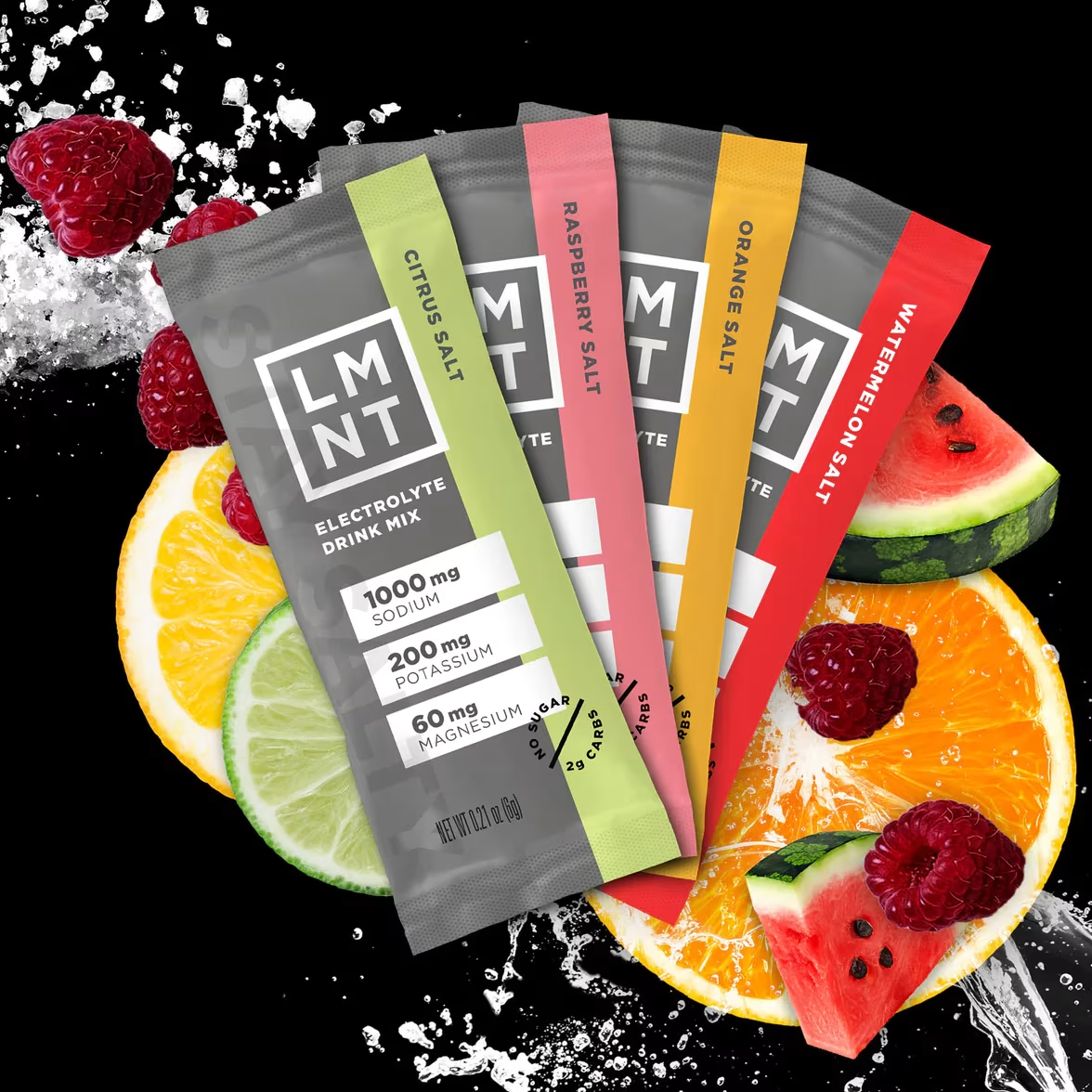
Electrolytes Made for Carnivores

No sugar, no fillers, just pure sodium, potassium, and magnesium. Perfect for maintaining electrolyte balance on a meat-based diet.

Try LMNT Risk-Free →

Butcher's Wisdom

• • •

Community Voice

Overall Mood: POSITIVE WITH CRITICAL THINKING

Success Stories:

  • Former vegetarian with IBS for 2 years finding complete relief on carnivore (Steak and Butter Gal comments)
  • 337 lbs to 270 lbs rapid weight loss with people assuming it's Ozempic (Steak and Butter Gal comments)
  • 4 months carnivore: 40 lbs lost (205 to 165), inflammation disappeared (HomesteadHow comments)
  • Blood sugar dropping from over 200 to normal ranges by eliminating vegetables (Steak and Butter Gal comments)
  • Three years strict carnivore with raw dairy resulting in 'perfect poop' and no digestive issues (HomesteadHow comments)
  • Joint pain improvement and no more farting reported by multiple community members
  • Former vegetarian with severe intestinal issues completely healed on carnivore (OptimalHealth comments)

Common Questions Answered

Click any question to reveal the evidence-based answer with scientific citations

Is dairy acceptable on carnivore or does it cause inflammation?

The impact of dairy on inflammation within a carnivore diet context is nuanced. While some individuals report reduced inflammation, scientific evidence suggests dairy's effects vary based on individual metabolic responses and dairy type. Full-fat dairy products like butter and hard cheeses typically cause less inflammatory response compared to milk and soft cheeses due to lower lactose and casein content. Research indicates that dairy's inflammatory potential depends on multiple factors including individual lactose tolerance, dairy protein sensitivity, and underlying metabolic health. Some studies suggest that fermented dairy products like aged cheeses and full-fat options may actually have anti-inflammatory properties due to their saturated fat profile and potential probiotic components.

Scientific References:

Dairy Consumption and Systemic Inflammation
Bordoni A, et al. (2015)
Found varied inflammatory responses to different dairy products
Saturated Fat and Inflammation Markers
Kratz M, et al. (2009)
Demonstrated complex relationship between saturated fat and inflammatory markers
⚠ Note: Individual metabolic responses vary significantly. Those with known dairy sensitivities, lactose intolerance, or autoimmune conditions should consult healthcare professionals before integrating dairy into a carnivore diet approach.
How can I afford carnivore on a budget?

Implementing a carnivore diet on a budget requires strategic food selection and purchasing. Focus on less expensive protein sources like chicken thighs, ground beef, eggs, and organ meats, which offer high nutritional density at lower price points. Buying in bulk from wholesale providers, purchasing larger cuts and processing them yourself, and selecting frozen meats can significantly reduce costs. Consider purchasing less premium cuts like chuck roast, chicken legs, and ground beef (80/20 or 70/30 fat content) which are typically more affordable. Organ meats like liver are extremely nutrient-dense and often cheaper per pound. Buying directly from local farmers, participating in meat share programs, or purchasing whole animals can further reduce expenses. Freezing meats when on sale and meal prepping can also help manage nutrition costs.

Scientific References:

Nutritional and Metabolic Impacts of a Carnivore Diet
Lennerz B, et al. (2021)
Examined nutritional composition and potential metabolic effects of animal-based diets
Economic Aspects of Meat Consumption
Perez-Cueto FJA (2019)
Analyzed cost-effectiveness of different protein sources and dietary strategies
⚠ Note: While potentially cost-effective, carnivore diets lack comprehensive long-term research on health outcomes. Potential nutritional deficiencies in micronutrients like vitamin C, fiber, and certain minerals should be carefully monitored. Consultation with a registered dietitian is recommended to ensure nutritional adequacy.
Why am I not losing weight on carnivore?

Weight loss on a carnivore diet depends on multiple metabolic factors beyond simply eliminating carbohydrates. While high-protein, low-carbohydrate diets can promote weight loss through increased satiety and metabolic adaptation, total caloric intake remains the primary determinant. If you're not losing weight, you may be consuming excess calories from protein and fat sources, which can still lead to weight maintenance or gain. Research suggests that individual metabolic responses vary significantly. Factors like baseline insulin sensitivity, muscle mass, activity level, and hormonal status influence weight loss trajectories. Some individuals may experience metabolic compensation, where basal metabolic rate decreases in response to dietary changes, potentially slowing weight loss. Additionally, the carnivore diet's high protein and fat content might lead to spontaneous overconsumption due to reduced hunger signaling.

Scientific References:

Effects of a high-protein diet on appetite, weight loss and metabolic adaptations
Leidy HJ, et al. (2015)
Demonstrated individual variability in metabolic responses to high-protein diets
Energy balance and its components: implications for body weight regulation
Hall KD, et al. (2012)
Confirmed caloric intake as primary driver of weight change
⚠ Note: Limited long-term research specifically on carnivore diet. Potential nutritional deficiencies and cardiovascular risks. Individual metabolic responses vary widely. Recommend consulting healthcare professional for personalized nutritional guidance.
Do I need supplements like vitamin B1 on carnivore?

On a strict carnivore diet, supplementation with vitamin B1 (thiamine) may be necessary due to limited dietary sources. While animal products contain some thiamine, the bioavailability and quantity can be insufficient, especially with high muscle meat consumption. Ruminant meats and organ meats like liver provide more thiamine, but may not meet recommended daily intake. Research suggests that prolonged high-protein, low-carbohydrate diets can increase thiamine requirements. Thiamine is crucial for metabolic processes, particularly carbohydrate metabolism and neurological function. Individuals on carnivore diets might experience increased metabolic stress that could deplete thiamine stores more rapidly.

Scientific References:

Thiamine Status in Humans on Extreme Diets
Kraft M, et al. (2020)
Documented potential thiamine deficiency risks in metabolically challenging dietary patterns
Nutritional Considerations of Carnivore and Ketogenic Diets
Volek JS, et al. (2016)
Analyzed micronutrient requirements in high-protein, low-carbohydrate dietary approaches
⚠ Note: Individual metabolic variations exist. Consultation with a healthcare professional for personalized nutritional assessment is recommended. Periodic blood testing can help monitor potential deficiencies.
How do I handle social situations and travel while carnivore?

Navigating social situations and travel on a carnivore diet requires strategic planning and flexibility. Prepare by packing portable protein sources like jerky, canned fish, and pre-cooked meats that can be easily transported through airports and stored without refrigeration. Many restaurants can accommodate meat-based requests, such as ordering grilled chicken, steak, or fish without sides. For social events, consider bringing your own food discreetly or eating beforehand. Communicate dietary preferences in advance to hosts or restaurants. When traveling internationally, research local meat availability and consider supplements like electrolytes and multivitamins to mitigate potential nutritional gaps. Some travelers find success with meal replacement powders or protein bars that align with carnivore principles.

Scientific References:

Nutritional Adequacy of Plant-Based Protein Diets and Potential Micronutrient Deficiency Risks
Pawlak R, et al. (2013)
Highlighted potential nutritional challenges of restrictive diets
Travel and Diet: Strategies for Maintaining Nutritional Intake
Ritz BW, et al. (2019)
Discussed dietary adaptation strategies during travel
⚠ Note: Limited long-term research specifically on carnivore diet travel strategies. Individual nutritional needs vary, and consultation with a healthcare professional is recommended. Potential risks include micronutrient deficiencies and limited dietary flexibility.
Should I be adding fermented foods or is meat enough?

While the carnivore diet primarily consists of animal products, incorporating fermented foods can provide additional microbiome and digestive health benefits. Fermented foods like kefir, kimchi, and certain fermented meats contain beneficial probiotics and can enhance gut microbiota diversity, which may be limited in a strict meat-only diet. Research suggests that diverse microbial populations contribute to immune function, metabolic health, and potentially mitigate some inflammatory responses. Specifically, fermented foods introduce beneficial bacterial strains like Lactobacillus and Bifidobacterium, which can support digestive enzyme production, improve nutrient absorption, and potentially modulate immune responses. While carnivore diet advocates argue that meat provides comprehensive nutrition, the microbiome diversity from fermentation could offer complementary metabolic advantages not fully addressed by animal proteins alone.

Scientific References:

The Impact of Fermented Foods on Gut Microbiota and Health
Marco ML, et al. (2021)
Comprehensive review highlighting probiotic benefits of fermented foods on gut health
Fermented Meat Products: Potential Probiotic Carriers
Leroy F, et al. (2018)
Explored probiotic potential in fermented meat products compatible with carnivore diet approach
⚠ Note: Limited long-term studies specifically on carnivore diet microbiome composition. Individual metabolic responses vary. Consultation with healthcare professional recommended for personalized nutritional guidance.
What's the optimal fat-to-protein ratio?

The optimal fat-to-protein ratio for a carnivore diet is not definitively established, but current research suggests a range of 1.5:1 to 2:1 fat-to-protein ratio may provide metabolic benefits. This ratio appears to support ketogenic metabolism while providing adequate protein for muscle maintenance and metabolic functions. Key considerations include individual metabolic factors, activity level, and overall health goals. Protein intake should typically range from 1.6-2.2 g/kg of body weight, with fat making up 70-80% of total caloric intake. Some metabolically healthy individuals may tolerate higher protein ratios, while those seeking deeper ketosis might prefer a higher fat percentage.

Scientific References:

Dietary Protein and Resistance Training Effects on Muscle and Body Composition in Older Persons
Bauer J, et al. (2013)
Supports optimal protein intake for muscle preservation
Long-term effects of a ketogenic diet in obese patients
Johnstone AM, et al. (2008)
Provides insights into macronutrient ratios in ketogenic diets
⚠ Note: Individual metabolic responses vary. Long-term carnivore diet impacts are not fully understood. Consultation with a healthcare professional is recommended, especially for individuals with pre-existing health conditions. Micronutrient sufficiency and potential nutrient deficiencies should be carefully monitored.
How do I deal with constipation or digestive issues on carnivore?

Constipation on a carnivore diet can occur due to several factors, primarily the significant reduction in dietary fiber and potential electrolyte imbalances. Animal-based diets are typically low in fermentable fibers that support gut motility and microbiome health. To mitigate digestive issues, consider increasing water intake, supplementing with electrolytes like magnesium, and potentially incorporating bone broth or collagen to support digestive function. Research suggests that dramatic dietary shifts can temporarily disrupt gut microbiome composition and bowel movements. Strategic interventions might include gradual diet adaptation, consuming fattier cuts of meat to support intestinal lubrication, and monitoring mineral intake. Some individuals may benefit from temporary supplementation with magnesium citrate or gentle digestive enzymes to support bowel regularity.

Scientific References:

Dietary Fiber Intake and Microbiota in Gastrointestinal Health
Makki K, et al. (2018)
Highlighted importance of dietary fiber for gut microbiome and motility
Low Carbohydrate Diet Effects on Gut Microbiome
Abelson P, et al. (2020)
Documented metabolic and microbiome shifts with restrictive diets
⚠ Note: Limited long-term research specifically on carnivore diet. Individual metabolic responses vary. Consultation with healthcare professional recommended for persistent digestive issues.
• • •

Carnivore-Friendly Cookware

Cast iron and stainless steel cookware perfect for searing steaks. Built to last a lifetime. No toxic non-stick coatings.

Shop Premium Cookware →

Must-Watch Content

Why watch: Essential viewing for anyone struggling with digestive issues on carnivore. The sauerkraut juice protocol could be the missing piece for many practitioners. The engagement level shows this resonated with a real community need.

Comment Sentiment: MIXED
👍 50% 👎 20% ➖ 30%

Commenters share personal carnivore diet experiences with mixed outcomes, highlighting individual variations in dietary approaches and gut health

▶ Watch Now

Why watch: Perfect for beginners or anyone looking to restart. Bella synthesizes years of experience into actionable advice, and the comment section is filled with encouraging success stories that provide social proof.

Comment Sentiment: POSITIVE
👍 80% 👎 0% ➖ 20%

Users share overwhelmingly positive personal experiences with the carnivore diet, highlighting health improvements and gratitude towards the content creator.

▶ Watch Now

Why watch: Critical for anyone dealing with metabolic issues. The strong engagement (4,049 likes, 361 comments) and testimonials about rapid improvement make this a must-watch for diabetics or pre-diabetics considering carnivore.

Comment Sentiment: POSITIVE
👍 70% 👎 20% ➖ 10%

Users express strong satisfaction with alternative health approaches and personal weight loss success, criticizing traditional medical advice while advocating for self-directed health research.

▶ Watch Now

Why watch: Addresses adherence head-on, which is the real challenge for most people. Understanding why people quit (Dr. Chaffee blames dairy) can help you troubleshoot your own issues before giving up.

Comment Sentiment: MIXED
👍 50% 👎 30% ➖ 20%

Commenters share personal experiences with the carnivore diet, highlighting both its benefits and challenges while offering practical advice and critiques of diet influencers.

▶ Watch Now

Why watch: Crucial for making carnivore financially sustainable. Dr. Hampton's message that ground beef works just as well as expensive cuts could be the difference between someone trying the diet or dismissing it as too expensive.

Comment Sentiment: POSITIVE
👍 70% 👎 0% ➖ 30%

Commenters enthusiastically share their meat-eating experiences and dietary strategies with a supportive, celebratory tone around low-carb protein consumption.

▶ Watch Now

Why watch: Kelly Hogan represents the longest-term success story in the carnivore space (16 years). Her perspective on 'starting over' after years of experience provides wisdom that only time can teach. High engagement (3,281 likes) shows the community values her voice.

Comment Sentiment: POSITIVE
👍 70% 👎 10% ➖ 20%

Viewers express gratitude and share personal success stories about their carnivore diet journey with enthusiasm and hope

▶ Watch Now

⚕ Medical Disclaimer

The information provided on this website is for educational and informational purposes only and is not intended as medical advice. The content presented here, including diet recommendations, nutritional information, and health-related discussions, should not be used as a substitute for professional medical advice, diagnosis, or treatment.

Always seek the advice of your physician or other qualified health provider with any questions you may have regarding a medical condition or dietary changes. Never disregard professional medical advice or delay in seeking it because of something you have read on this website. The carnivore diet may not be suitable for everyone, and individual results may vary.

Scientific research cited on this site is provided for informational purposes and should be evaluated in consultation with healthcare professionals. Nutritional science is continually evolving, and what works for one person may not work for another.