
This post may contain affiliate links. For educational purposes only, not medical advice. Details
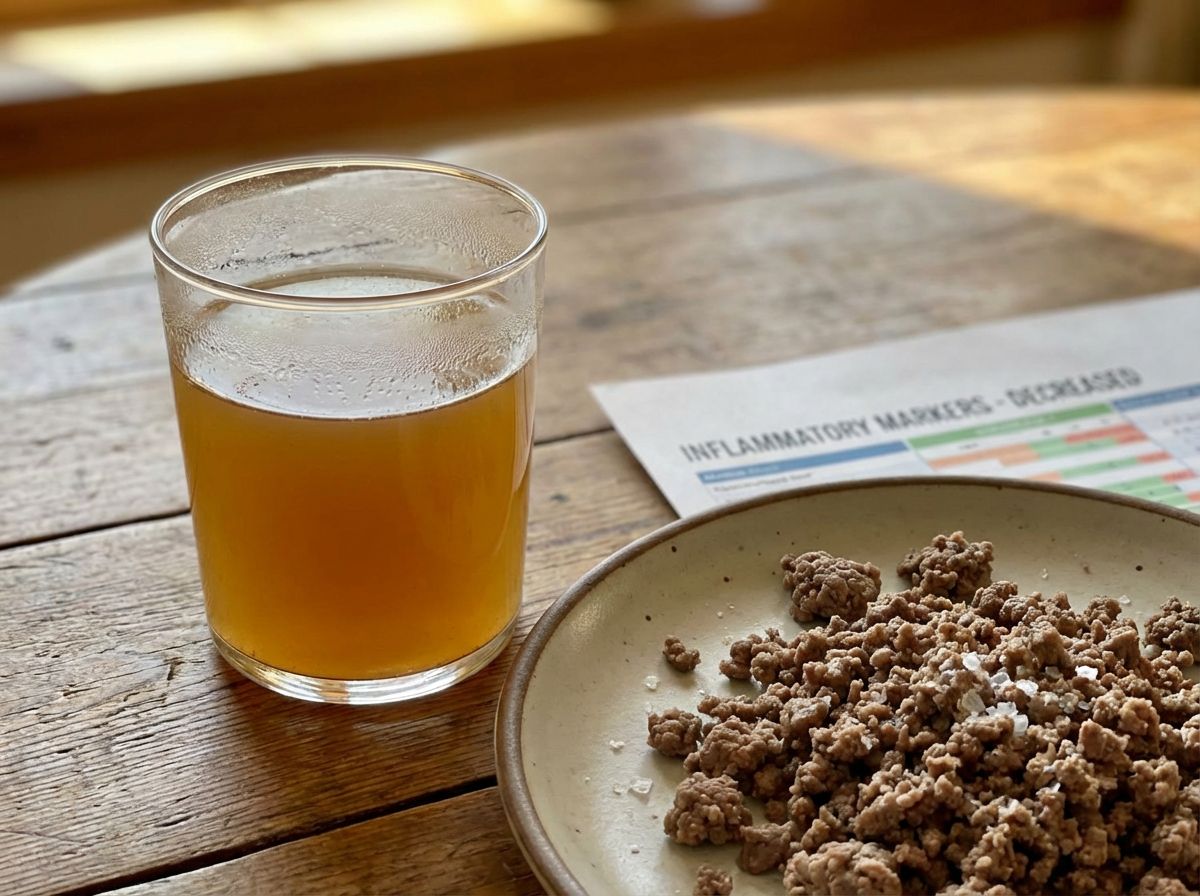
Here's something I hear constantly from people who go carnivore: "My joint pain is gone." Not reduced. Not managed. Gone.
It's one of the most consistent reports in the carnivore community, and it's not a coincidence. There's a real mechanism behind it. Let's dig into why inflammation drops so dramatically when you eat nothing but animal foods, what the research tells us, and how you can track your own progress with hard numbers instead of guesswork.
Why Do People Report Less Joint Pain on Carnivore?
The carnivore diet is, at its core, the most aggressive elimination diet you can do. You're removing every single plant food. And that matters more than most people realize.
Plants contain defense chemicals. That's not controversial. It's basic botany. Oxalates, lectins, phytates, saponins, and dozens of other compounds exist because plants can't run away from predators. These chemicals are their defense system.
For most people, small amounts of these compounds don't cause obvious problems. But if your gut is already compromised, or your immune system is reactive, these compounds can trigger a cascade of inflammation. Oxalates form crystals that deposit in joints and tissues. Lectins can damage the intestinal lining and increase permeability (what most people call "leaky gut"). Phytates bind minerals, making them unavailable for the enzymatic processes that keep inflammation in check.
When you remove all of these at once, your body gets a break it probably hasn't had in decades. The inflammatory load drops. Your immune system stops fighting phantom threats. And for many people, joint pain that seemed permanent just quietly disappears.
Dr. Paul Saladino has written extensively about plant defense chemicals in The Carnivore Code, making the case that many compounds we think of as "healthy antioxidants" are actually mild toxins that stress the body. Whether you agree with his full thesis or not, the elimination effect is hard to argue with. Remove the potential triggers, and symptoms often resolve.
What Does the Science Say About Meat and Inflammation?
Let's address the elephant in the room. You've probably heard that red meat is "inflammatory." This claim shows up everywhere, from mainstream nutrition guidelines to your aunt's Facebook posts. But the evidence behind it is weaker than you'd think.
Most studies linking red meat to inflammation are observational. They look at populations eating the standard American diet, where a "hamburger" means a bun, seed oil-fried potatoes, a soda, and a thin beef patty. Blaming the meat in that context is like blaming the lettuce on a pizza for weight gain.
When you isolate unprocessed red meat and remove the confounders, the picture changes. A 2021 meta-analysis published in Critical Reviews in Food Science and Nutrition found that unprocessed red meat consumption was not significantly associated with increases in CRP or other inflammatory biomarkers.
Then there's the Harvard Carnivore Diet Survey (Lennerz et al., 2021), which surveyed over 2,000 people eating a carnivore diet for at least six months. The findings were striking. The majority of participants reported improvement in chronic inflammatory conditions. People with previously diagnosed inflammatory disorders reported the most significant benefits. And health markers across the board, including BMI, blood pressure, and self-reported inflammation, trended positive.
Is this a randomized controlled trial? No. But 2,000+ data points from people actually living this way is hard to dismiss. Dr. Shawn Baker, who helped popularize the carnivore movement and maintains a database of carnivore bloodwork results on MeatRx, has documented thousands of cases where inflammatory markers dropped after transitioning to all-meat eating.
Dr. Ken Berry, a family physician who's been vocal about ancestral eating, regularly shares patient cases where CRP and other markers improve dramatically once processed foods and seed oils are removed. His point is simple: it's not that meat is anti-inflammatory in some magical way. It's that the foods you're removing were the problem.
How Long Before Inflammation Improves?
This is the question everyone wants answered, and the honest answer is: it depends on where you're starting from. But here's a general timeline based on what I've seen with clients and what the community consistently reports.
Week 1-2: Initial adjustment. Your body is switching fuel sources. You might actually feel worse temporarily. Joint stiffness can briefly increase as your body mobilizes stored oxalates and other compounds. This is sometimes called an "oxalate dump," and while the science on it is still emerging, the pattern is real. Don't panic. It passes.
Week 3-4: First noticeable improvements. This is when most people notice their morning stiffness easing up. Swelling in fingers and knees starts to reduce. Energy improves. The constant low-grade aching that you thought was just "getting older" begins to fade.
Month 2-3: Significant reduction. By this point, many people report that chronic pain they've dealt with for years is either gone or dramatically reduced. CRP levels, if you're tracking bloodwork, typically show measurable drops. The systemic inflammation that was driving joint deterioration is cooling down.
Month 4-6: Stabilization. Your new baseline. If you had severe inflammation or an autoimmune component, this is where you'll see the full extent of improvement. Some people need this long for their immune system to fully recalibrate.
One important note: if you "cheat" during this process, especially with high-oxalate or high-lectin foods, you'll often feel the inflammation spike immediately. That's actually useful information. It confirms the connection and helps you understand your personal triggers.
Which Foods Cause the Most Inflammation?
Here's what I think gets overlooked in the carnivore conversation. The benefit isn't just about adding meat. It's about what you're subtracting. And some foods are worse offenders than others.
Seed oils (soybean, canola, sunflower, corn oil). These are loaded with omega-6 fatty acids, which your body converts into pro-inflammatory compounds called eicosanoids. The average American gets 10-20 times more omega-6 than omega-3. That ratio matters enormously for inflammation. When you go carnivore, your seed oil intake drops to zero overnight.
Refined sugar. Sugar drives inflammation through multiple pathways. It spikes insulin, increases oxidative stress, promotes glycation of proteins (which damages joints directly), and feeds inflammatory gut bacteria. Removing sugar is one of the fastest ways to lower CRP, and carnivore eliminates it completely.
Grains (especially wheat). Gluten triggers immune responses in a significant portion of the population, not just celiacs. Non-celiac gluten sensitivity is now well-documented and associated with joint pain, brain fog, and systemic inflammation. Even "whole grains" contain lectins like wheat germ agglutinin that can increase intestinal permeability.
High-oxalate vegetables. Spinach, almonds, sweet potatoes, and beets are among the highest oxalate foods. Oxalates form sharp crystals that deposit in joints, kidneys, and tissues. For people with oxalate sensitivity, removing these foods provides dramatic relief.
The point isn't that these foods are poison for everyone. It's that for people dealing with chronic inflammation, removing them all at once creates a clean baseline. Then you can test reintroductions one at a time and figure out what your body actually tolerates.
What Bloodwork Should You Track?
Feelings are useful, but numbers don't lie. If you're going carnivore for inflammation, tracking specific markers gives you objective proof of what's working. Here's what to test.
C-Reactive Protein (CRP), specifically hs-CRP. This is the gold standard for systemic inflammation. A high-sensitivity CRP test measures low-level inflammation that standard CRP tests miss. Optimal is below 1.0 mg/L. Many carnivore dieters see their hs-CRP drop from elevated levels (3.0+) to well under 1.0 within 90 days.
Erythrocyte Sedimentation Rate (ESR). Another inflammation marker. It measures how quickly your red blood cells settle in a tube. Faster settling means more inflammation. It's a broad marker, but useful for tracking trends over time.
Homocysteine. Elevated homocysteine is linked to both cardiovascular inflammation and joint problems. B vitamins (especially B12, B6, and folate) help keep it in check, and guess what's packed with B vitamins? Red meat and organ meats.
Fasting insulin. This one surprises people. Chronically elevated insulin is itself inflammatory. It drives a cascade of inflammatory signaling that affects every tissue in your body, including your joints. Carnivore eating typically brings fasting insulin into optimal range (2-5 uIU/mL) within a few months.
Get baseline labs before you start or as early in the process as possible. Then retest at 60 and 90 days. For a deeper dive into what to test and what the numbers mean, check out our complete carnivore bloodwork guide.
Can Carnivore Help Autoimmune Conditions?
This is where things get really interesting, and where I need to be careful about overclaiming. Carnivore is not a proven treatment for autoimmune disease. No diet is. But the anecdotal evidence is substantial enough that it deserves serious attention.
Mikhaila Peterson's story is probably the most well-known. She dealt with severe rheumatoid arthritis, depression, and multiple autoimmune diagnoses from childhood. After working through various elimination diets, she landed on an all-meat protocol and reported complete remission of symptoms. Her case is dramatic, and while one person's experience isn't proof, it's consistent with a much larger pattern.
Dr. Shawn Baker has documented hundreds of similar cases through the MeatRx platform. People with rheumatoid arthritis, psoriasis, lupus, Crohn's disease, and ulcerative colitis reporting significant improvement or complete symptom resolution after sustained carnivore eating.
The mechanism makes sense when you think about it. Autoimmune conditions involve the immune system attacking the body's own tissues. Dietary proteins and compounds that increase intestinal permeability can trigger or worsen this process. Remove all potential dietary triggers, allow the gut lining to heal, and the immune system can reset.
The lion diet, which is the most restrictive version (only beef, salt, and water), is often recommended as a starting point for people with autoimmune conditions. It provides the cleanest possible elimination, and foods are added back one at a time only after symptoms resolve.
If you're dealing with an autoimmune condition and considering carnivore, read our in-depth article on autoimmune remission on carnivore for specific protocols and what to expect.
How Do You Optimize Carnivore for Inflammation?
If you're eating carnivore specifically for inflammation, not every approach is equal. Here's how to get the most anti-inflammatory benefit from your food choices.
Prioritize omega-3 rich foods. Fatty fish like salmon, sardines, and mackerel provide EPA and DHA, the omega-3 fatty acids that directly compete with omega-6 for inflammatory pathways. Eating fatty fish 2-3 times per week shifts your omega ratio in a profoundly anti-inflammatory direction. Grass-finished beef also has a better omega ratio than grain-fed, though the difference is smaller than most people think.
Include organ meats. Liver is loaded with vitamin A, copper, and B vitamins that support immune regulation and tissue repair. Heart provides CoQ10, which is critical for cellular energy production and has documented anti-inflammatory effects. You don't need organs every day. Two to three servings per week covers your bases. If you can't stand the taste, mix liver into ground beef. You won't taste it.
Eat adequate protein. Amino acids like glycine (abundant in collagen and bone broth) and glutamine directly support gut lining repair. Adequate protein also supports the production of glutathione, your body's master antioxidant. Most people on carnivore need 0.8-1.0 grams of protein per pound of goal body weight, and up to 1.2 if you train hard. Not sure how much that is for you? Our carnivore calculator can help you dial in your targets based on your goals and activity level.
Don't fear fat. Animal fats are thermally stable and don't oxidize the way seed oils do. Tallow, butter, and lard provide clean energy without the inflammatory byproducts that come from cooking with vegetable oils. If your joints hurt, replacing every cooking oil in your kitchen with tallow or butter is one of the simplest changes you can make.
Stay consistent. The biggest mistake I see is people going "mostly carnivore" and keeping a few inflammatory foods in the rotation. If you're trying to resolve chronic inflammation, strict elimination for at least 90 days gives your body the best chance to heal. You can always test reintroductions later. But give yourself a clean baseline first.
The Bottom Line
Joint pain disappearing on carnivore isn't magic and it isn't placebo. It's what happens when you remove every major dietary source of inflammation simultaneously and replace them with nutrient-dense, bioavailable animal foods.
The science on elimination diets and inflammation is solid. The community evidence from thousands of people eating this way is consistent. And the bloodwork backs it up.
If you're dealing with chronic joint pain, stiffness, or an inflammatory condition that hasn't responded to conventional approaches, carnivore is worth a serious 90-day trial. Track your bloodwork. Note your symptoms. Let the data speak.
Your joints might be trying to tell you something about what you've been eating. It might be time to listen.
---
References:- Lennerz BS, et al. Behavioral characteristics and self-reported health status among 2029 adults consuming a "Carnivore Diet." Current Developments in Nutrition. 2021.
- Zeraatkar D, et al. Red and processed meat consumption and risk for all-cause mortality and cardiometabolic outcomes. Annals of Internal Medicine. 2019.
- Saladino P. The Carnivore Code. Houghton Mifflin Harcourt. 2020.
- Baker S. The Carnivore Diet. Victory Belt Publishing. 2019.
- Barbaresko J, et al. Dietary pattern analysis and biomarkers of low-grade inflammation: a systematic literature review. Nutrition Reviews. 2013.
- de Punder K, Pruimboom L. The dietary intake of wheat and other cereal grains and their role in inflammation. Nutrients. 2013.