
This post may contain affiliate links. For educational purposes only, not medical advice. Details
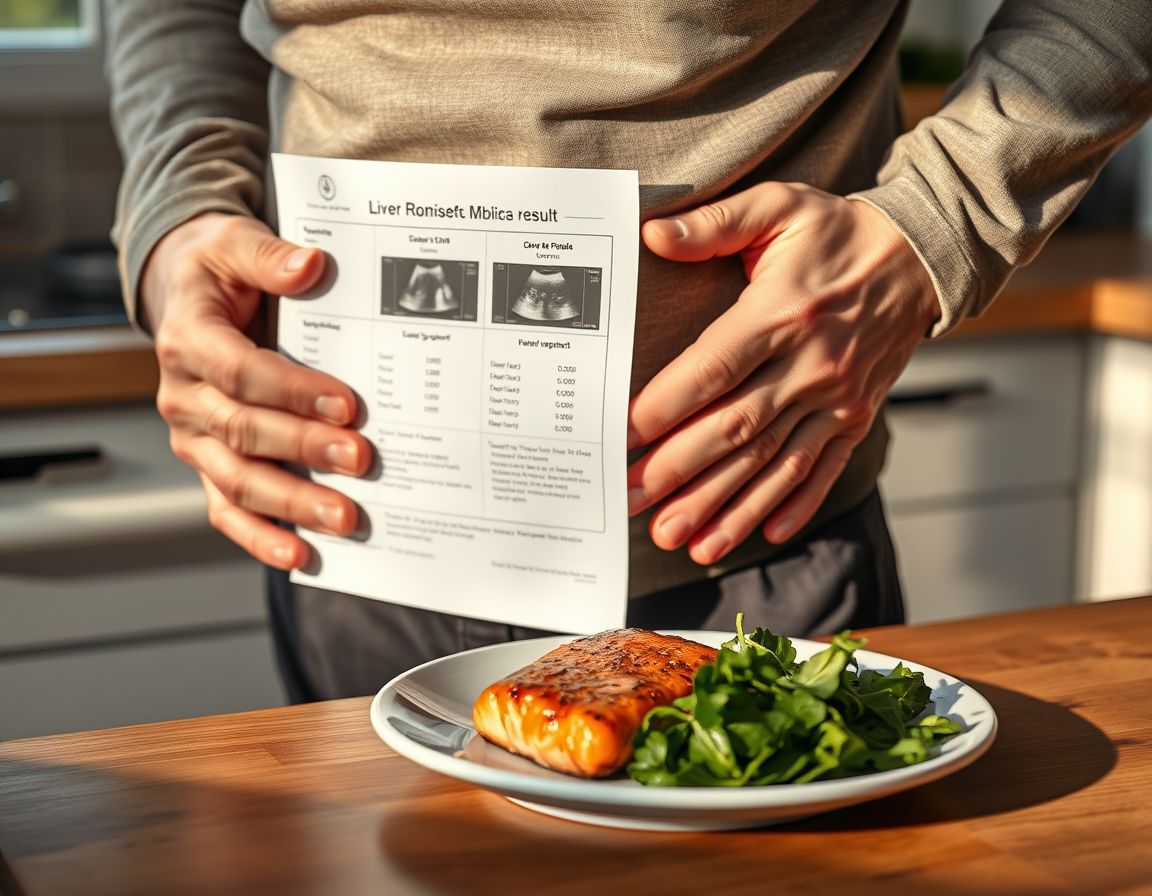
Maybe it came up on an ultrasound you had for something else. Maybe your ALT was flagged on routine bloodwork. Either way, you've just been told you have fatty liver, and now you're wondering whether the carnivore diet helps or makes it worse. Here's the honest answer: low-carb and ketogenic trials consistently show liver fat falling when people cut carbohydrates and lose weight. There are no carnivore-specific trials yet. So carnivore sits inside that low-carb evidence, not on its own proof.
That's still good news. It means the thing that matters most for your liver is something you can work on, and you can measure it with your doctor along the way. Let me explain what the research actually shows, what to retest, and the signs that mean you shouldn't wait.
What your doctor might call it
You may see it written as MASLD, which stands for metabolic dysfunction-associated steatotic liver disease. The older name was NAFLD, non-alcoholic fatty liver disease. Same idea: extra fat stored in liver cells, usually alongside insulin resistance, higher triglycerides or belly weight.
It's very common after 50, especially for women after menopause, when fat tends to shift toward the middle. For most people, MASLD at this stage is a signal, not a sentence.
If you want a starting point for your numbers before you change anything, the free macro calculator works from your goal weight and gives you protein and fat targets to bring to that first conversation.
What low-carb trials show about liver fat
The research shows a fairly consistent pattern. In a 2011 study by Browning and colleagues, people on a carbohydrate-restricted diet lost more liver fat in two weeks than people on a standard calorie-cut diet, even though both groups lost similar weight. In a 2018 study in Cell Metabolism, a short low-carb, higher-protein diet cut liver fat substantially in people with fatty liver, before much weight had come off at all.
Why would that happen? Your liver turns excess carbohydrate, especially sugar and fructose, into fat. When carbs drop, insulin drops, and the liver stops building new fat as fast. It also starts burning stored fat for fuel.
Now the honest part. These were mostly short studies, weeks to months. They measured liver fat, not long-term outcomes like scarring. And none of them tested an all-meat diet. Weight loss itself also matters a lot: larger studies tie steady weight loss to better liver results almost regardless of the diet used. So I'd frame it this way. Carnivore is one way to get carbs very low and lose weight steadily. It isn't a liver treatment, and it doesn't promise reversal.
If you're weighing a gentler low-carb approach instead, KetoDial looked at how keto and Mediterranean eating compare on liver fat.
How people over 50 usually approach it
Steady wins here. After the first week's water drop, a good pace over 50 is about 0.5-1 lb a week. Very fast weight loss can actually stress the liver in the short term, which is one more reason not to rush.
Most people on carnivore aim for 0.8-1.0 g of protein per pound of goal body weight, spread across meals of roughly 30-40 g each. Fat sits around 1:1 with protein by grams, and if weight loss stalls, they trim added butter and tallow first, never the protein. This is not for everyone. Talk to your doctor first if you have high blood pressure, kidney or heart problems, diabetes, are pregnant, or take medicine.
For the first eight weeks, most people simply eat to satiety without counting. If you'd like a realistic picture of what the scale does month by month, I walked through it in the weight loss timeline after 50.
A quick word on alcohol
Alcohol is part of the liver picture, so it's worth being honest with yourself and your doctor about how much you drink. Even moderate amounts add to the liver's workload, and on carnivore many people find they feel it faster than before. I covered what changes in the carnivore and alcohol post if you want the details.
Eating liver is not the same as liver health
This one confuses a lot of people. Beef liver is a nutritious food, but eating it doesn't heal your liver. It's packed with vitamin A and copper, which build up if you overdo them. We publish a cap of 4-8 oz of liver per week, total. If you enjoy it, keep it inside that range.
What to retest, with your doctor
Retesting is how you know whether this is working, and it's a conversation with your doctor, not a solo project. The timing is their call. Here's what's worth asking about:
- Liver enzymes (ALT and AST). These often come down as liver fat drops. A single reading can bounce around, so the trend matters more than one number.
- Triglycerides and HDL. On low carb, triglycerides often fall. A triglyceride-to-HDL ratio under 2 is generally a favorable sign.
- Fasting glucose, A1c and fasting insulin. These show where insulin resistance stands, which drives liver fat in the first place.
- A FIB-4 score. Your doctor can calculate this from your age, liver enzymes and platelet count. It's a quick check for scarring risk.
- A repeat ultrasound or a FibroScan. A FibroScan estimates both liver fat and stiffness. Whether and when you repeat imaging depends on your results.
Any change to your medicine is your prescriber's decision. If you haven't had a full baseline yet, my list of blood tests to ask for before carnivore after 50 gives you a ready-made checklist to print.
See a doctor now if you notice any of these
These signs need medical care right away, not a diet tweak:
- Yellowing of your skin or the whites of your eyes
- Swelling in your belly or legs
- New confusion, unusual sleepiness or trouble thinking clearly
- Vomiting blood, or something that looks like coffee grounds
- Dark, black or tarry stools
Please don't wait on any of these to see if they pass. Call your doctor or go to urgent care.
What I'd want you to take away
A fatty liver diagnosis after 50 is common. The research on cutting carbs and losing weight steadily is encouraging. Carnivore is one way to do both. Your doctor's retests are how you'll actually know.
I'm not a doctor. I've researched this deeply and spent years reading the studies, but I'm not your doctor. Everything I write is educational, based on research and what I've seen work. Your situation might be different.