
This post may contain affiliate links. For educational purposes only, not medical advice. Details
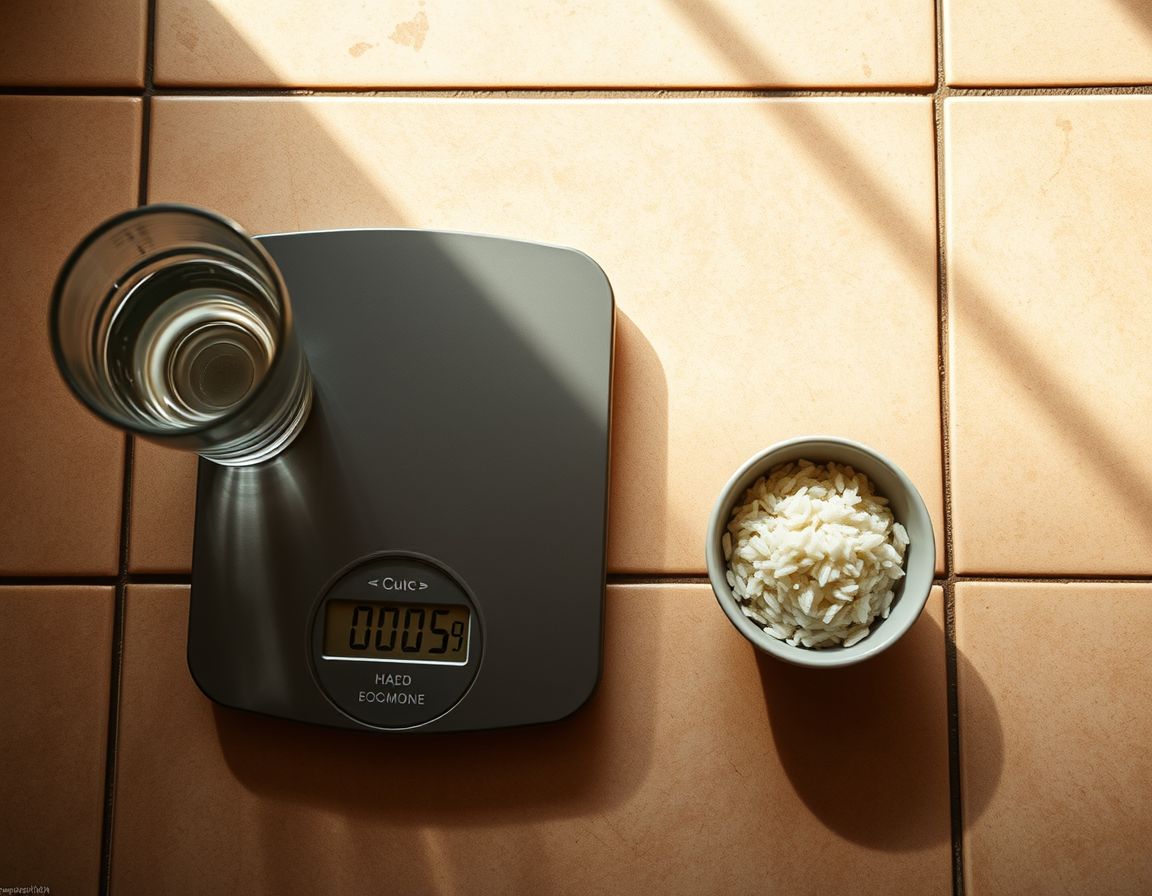
You cut carbs, stepped on the scale a week later, and it says you're down 8 pounds. First, take a breath. That's a very common experience, and it's not fat loss yet.
Most of that drop is water, plus the stored carbohydrate your body holds onto it with. Many people find the first week brings roughly 3 to 7 pounds off, and smaller or older bodies often land on the lower end. If you want a starting point for your numbers, the free macro calculator can give you one. But the scale number this week isn't the one to build your expectations on.
Why the scale drops so fast
Your body stores carbohydrate as glycogen, mostly in your muscles and liver. For every gram of glycogen, your body holds roughly 3 grams of water alongside it. It's a bit like a sponge.
When you stop eating carbs, your body starts using up those glycogen stores. As the glycogen goes, the water goes too. Your insulin levels also fall, and lower insulin tells your kidneys to release more sodium and water than usual.
That's why you may be visiting the bathroom more often. It's also why your rings might feel looser and your face looks a little less puffy.
Here's what I've seen work for explaining this: think of it as your body clearing out a storage closet. It's real, it's measurable, and it's not the same thing as burning body fat.
Why you might be on the high end
Several things can push the first-week number up. A larger starting weight means more stored glycogen and more water. A diet that was heavy in bread, pasta, cereal, or juice leaves more to clear out. Some people were also holding extra fluid before they started.
So 8 pounds isn't alarming on its own. It's just a bit above the typical range, and your situation might be different from the average.
What the scale will do next
After the first week or two, the quick drops slow down. That's normal, and it's not a stall. The water is gone, and now the scale is measuring actual fat loss, which moves much more slowly.
A sustainable pace after the water week is about 0.5 to 1.5 pounds per week. If you're over 50, 0.5 to 1 pound a week is a very good pace. Some weeks you may see nothing, and some weeks you may see a small bump up. Hormones, sleep, stress, and sodium intake all move water around.
Some people find the first days feel like the first days of any new way of eating. You're a little tired, a little unsure, and watching the scale a lot. That's common too. If you'd like more on what real progress looks like past the water week, our post on carnivore weight loss: what science and results show covers it.
If the scale gets stuck
Give it three to four weeks before you call it a real stall, and use a tape measure as well as the scale. Water and fat can trade places, so your waist may shrink even when the number doesn't move.
One thing worth checking is your food. Some people find that packaged products sold as "keto" or "low carb" carry more carbs than the label suggests, or they add up faster than expected. Bars, shakes, and snack foods are common examples. If the scale seems stuck, reading labels honestly is a good first step. Simple whole foods, like ground beef and eggs, leave a lot less room for surprises.
When a fast drop is worth a call to your doctor
A big first-week drop is usually harmless. But a few situations deserve a call to your doctor or pharmacist, not just patience.
- You take medicine for blood pressure, diabetes, or fluid. As you lose water and carbs, your needs can change. Blood pressure medicine and diuretics can sometimes become too strong. Diabetes medicine can cause low blood sugar. Those are your prescriber's decisions to make, not yours, so please call before you start or as soon as you notice changes.
- You feel dizzy, faint, or lightheaded, especially when you stand up.
- You have a racing or fluttering heartbeat, strong muscle cramps, or new confusion.
- You're passing very little urine, or it's very dark.
- The drop keeps going. If you're still losing more than about 2 pounds a week after the first two weeks, or you've lost weight without trying and without changing your food, it's worth a conversation.
- You have kidney, heart, or other long-term conditions. Ask before changing how you eat, and bring your questions with you.
Chest pain, fainting, or severe symptoms need urgent care, not a blog post.
Your doctor is a partner in this. Going in with a few simple notes helps: your start date, your weight changes, how you feel, and what you're eating. If you want a refresher on how medicines and blood sugar fit together, our post on type 2 diabetes and blood sugar on carnivore is a good place to start before that appointment.
What to do this week
Eat until you're satisfied, and don't worry about counting. Drink to thirst. Salt your food, since many people find the shift in water also takes sodium with it, and ask your doctor first if you take blood pressure medicine or have heart or kidney concerns.
Then try weighing yourself once a week at the same time of day, and take a waist measurement too. Celebrate the 8 pounds if it feels good. Just know that it's your body adjusting, and the steadier, slower part is still ahead.
I'm not a doctor. I've researched this deeply and worked with many people, but I'm not your doctor. If you have health conditions, take medications, or need specific guidance, talk to someone who knows your full medical picture. Everything I write is educational, based on research and what I've seen work. Your situation might be different.