
This post may contain affiliate links. For educational purposes only, not medical advice. Details
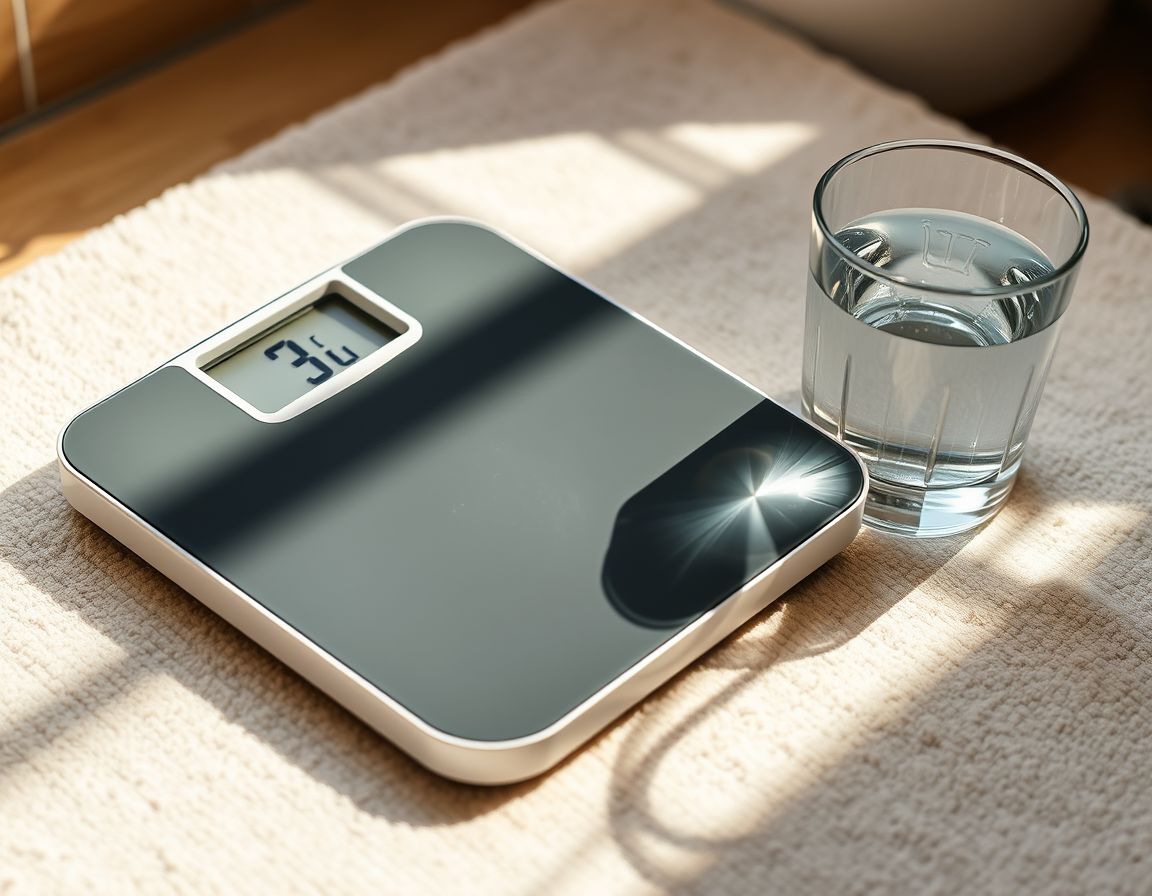
If you've only lost 3 pounds in your first week of carnivore, you're not doing it wrong. That's a normal result, especially if you're over 50, a woman, or on the smaller side. The first-week drop is mostly water and stored carbohydrate, and a typical range is 3 to 7 pounds. Smaller and older bodies tend to land at the low end of that range because they simply have less of it to lose.
So a 3-pound week isn't a sign the diet isn't working for you. It's a sign your body is behaving exactly like a body your size and age should. Let me explain why, and what the next few weeks usually look like.
What that first-week number actually measures
Your body stores carbohydrate as glycogen, mostly in your muscles and liver. Each gram of glycogen is packed with roughly three to four grams of water. When you stop eating carbs, your body burns through that reserve in the first several days, and the water goes with it.
There's a second piece. When insulin drops, your kidneys let go of more sodium, and water follows sodium out the door. Put those two things together and you get the famous "whoosh" people talk about online.
Here's the part that matters: very little of that first-week drop is body fat. It's real, and it's a good sign your metabolism is shifting. But it's a measure of how much stored water and glycogen you were carrying, not how fast you're burning fat.
Why smaller, older and female bodies lose less of it
Most glycogen lives in muscle. So the amount you can drop in week one depends a lot on how much muscle you have. That's why a big, muscular 35-year-old man might lose 7 or 8 pounds in five days while his 60-year-old mother loses 3.
A few things shrink that number for many of us:
- Less muscle mass. We lose muscle gradually with age, and women generally carry less of it to begin with. Less muscle means a smaller glycogen tank.
- Smaller body size. A 140-pound woman has less stored water to release than a 240-pound man. Same process, smaller number.
- Hormonal water shifts. Perimenopause, menopause, and the cycle itself can cause fluid retention that masks what's happening underneath.
- Where you started. If you were already eating low-carb before carnivore, you'd already dropped much of that glycogen. Some people find their "first week" happened months ago.
Some people also see the scale go down, then pop back up a pound around days 4 to 6. That's often fluid rebalancing, or salt you've started adding back. It's not fat returning.
What weeks two to four realistically look like after 50
After the water week, the scale slows down. This is where many women get discouraged, so I want to be really clear about what's normal.
Sustainable fat loss after that first week usually runs 0.5 to 1.5 pounds a week. If you're over 50, 0.5 to 1 pound a week is a good pace. That's not a consolation prize. Over a few months, it adds up, and it's the kind of loss that tends to stay gone. I won't promise more than that, because honestly, nobody should.
Here's roughly what I've seen in those early weeks:
- Days 3 to 10: Often the roughest patch. Tiredness, headaches, and low mood are common. Salt and water help a lot here. My electrolyte guide walks through the basics.
- Weeks 2 to 3: Sleep can get choppy for a bit. The scale may sit still for several days and then drop all at once. That stop-start pattern is normal.
- Weeks 4 to 6: Most people start to feel adapted. Energy steadies, hunger settles, and cravings quiet down.
What to do instead of watching the scale every day
The scale is a blunt tool, especially when water is moving around. A few things give you a much clearer picture:
- Use a tape measure. Measure your waist and hips once a week, same time, same spot. Inches often move when the scale won't.
- Weigh less often. Once a week, or a weekly average, tells you more than daily swings.
- Notice the non-scale changes. Rings fitting looser, less afternoon slump, less puffiness in your hands and face.
- Don't count calories yet. For the first 8 weeks, eat to satiety. Protein is the anchor. Eat enough of it at each meal and let your appetite guide the rest.
If you'd like a starting point for how much protein makes sense for your goal, the free macro calculator can give you a ballpark to work from. It's a guide, not a rule.
And please don't call it a stall after week two. A real stall is 3 to 4 weeks with no movement on the scale or the tape measure. Even then, the first things to check are sleep, stress, and electrolytes, not cutting food. Give the diet a fair trial and judge it at 60 to 90 days, not 7.
If you want the bigger picture on what the research says about carnivore and weight, I covered it in what science and results show.
A note if you take medication
Some medications affect fluid balance, blood sugar, or blood pressure, and all three can shift quickly when you cut carbs. That can change how your scale moves, and more importantly, it can change how your medication is working.
If you take medication for diabetes, blood pressure, or thyroid, or you've been diagnosed with any condition, your prescriber needs to know you've changed how you eat. Any change to your dose is their call, not yours and not mine. What you can do is track your readings, bring them along, and ask what they'd like you to watch. A good doctor is a partner in this.
The short version
Three pounds in week one is a normal, healthy start for a lot of women over 50. It reflects your body size and muscle mass, not your willpower. After that, half a pound to a pound a week is a good pace. Measure with a tape, eat enough protein, and give it two to three months before you decide how it's going.
Not a Doctor: I'm not a doctor. I've researched this deeply and worked with a lot of people, but I'm not your doctor. If you have health conditions or take medications, talk to someone who knows your full medical picture before making changes. Everything here is education based on research and what I've seen work. Your situation might be different.