
This post may contain affiliate links. For educational purposes only, not medical advice. Details
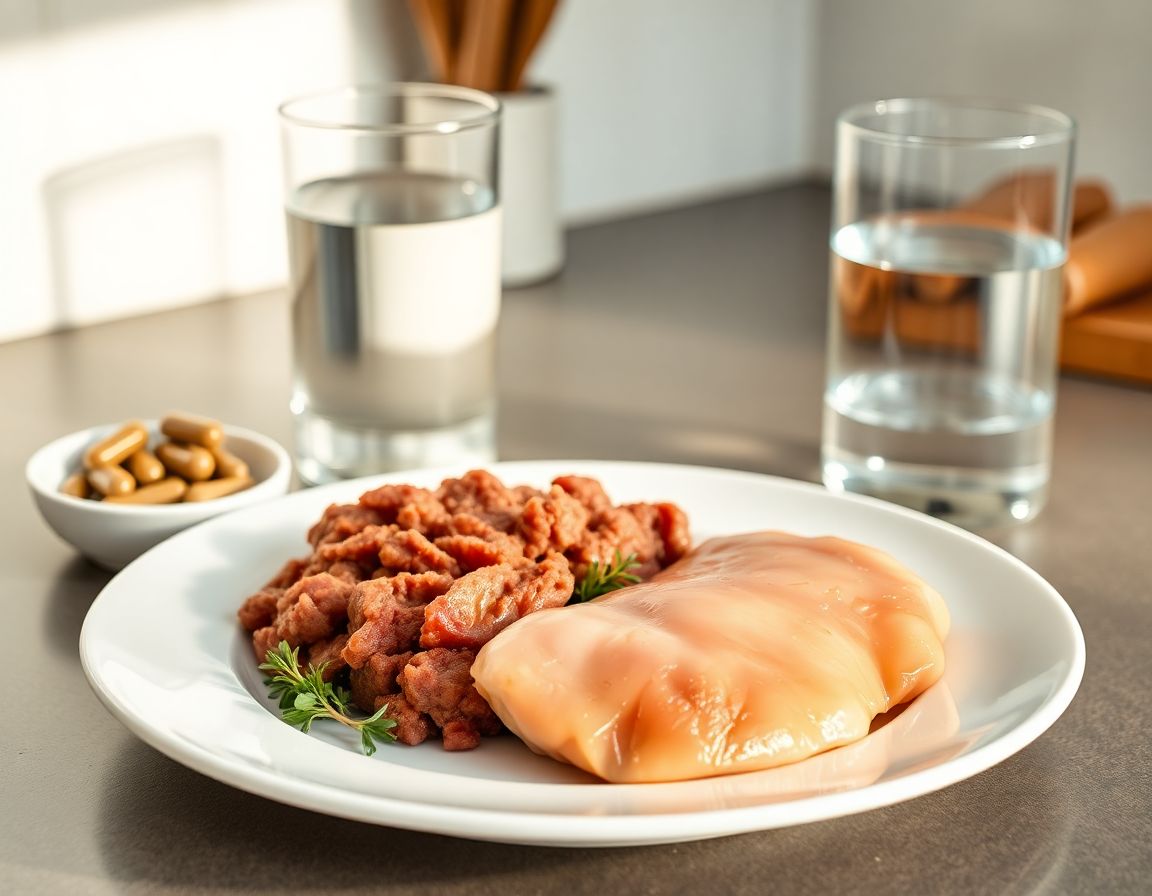
If you've had your gallbladder out and you're wondering whether carnivore is off the table, the short answer is no, it isn't. Plenty of people eat this way without a gallbladder and feel great. But you can't start where everyone else starts. Jumping straight to ribeyes, butter coffee, and 75 percent of your calories from fat is what sends people running to the bathroom by day three.
Here's the fix in one sentence: start leaner than you think you need to, spread your fat across more meals instead of two big ones, consider ox bile or a lipase enzyme with your fattiest meal, and give your body 4 to 6 weeks before you decide it isn't working. That's it. Most of the misery I hear about comes from people doing the right diet at the wrong speed.
What actually changed when they took it out
Your liver still makes bile. That never stopped. What you lost was the storage tank.
The gallbladder's job was to hold bile, concentrate it, and then squeeze out a big dose the moment fat hit your small intestine. Without it, bile just trickles into your gut all day long at a slow, steady drip. That drip is fine for a normal meal. It's not enough for a half pound of fatty brisket landing all at once.
When fat arrives faster than bile can emulsify it, some of that fat passes through undigested. Undigested fat in the colon pulls in water and speeds everything up. That's the urgent, greasy, pale, hard-to-flush stool people describe. It's not an allergy and it's not damage. It's a timing problem.
There's a second thing that can happen too. Some people get bile acid diarrhea, where the constant bile drip irritates the colon directly. It tends to be watery, yellow or orange, and often hits shortly after eating or first thing in the morning. Studies put post-gallbladder diarrhea at somewhere around 1 in 10 to 1 in 5 people. If that's you, more fat makes it worse, and the fix looks a little different. I'll come back to that.
The 6-week ramp-up
Weeks 1 and 2: go lean and go often. Think 93/7 ground beef, sirloin, top round, chicken thighs with the skin off, white fish, lean pork loin. Eat 3 or 4 smaller meals instead of 2 large ones. You're not doing this forever. You're giving your system a load it can actually keep up with.
Salt your food well and drink to thirst. Diarrhea flushes out sodium, potassium, and magnesium fast, and a lot of what people call "keto flu" during this phase is really just electrolytes going out the door.
Weeks 3 and 4: add fat back in small steps. Move from 93/7 to 85/15 ground beef. Add an egg. Leave the fat cap on one cut. The rule I like is to add roughly a tablespoon of extra fat per day, hold it for three or four days, and only go up again if things stayed calm. If a change causes trouble, drop back one step and stay there another week.
Weeks 5 and 6: find your ceiling. By now most people can handle ribeye, 80/20 beef, and cooking fat without a problem. Some settle at a moderate fat level and stay there happily. That's a completely fine place to land. There's no prize for eating the most butter.
If you want a starting point for your numbers so you're not guessing at protein and fat targets, the free macro calculator will give you a baseline to adjust from. Treat it as a starting line, not a rule.
Ox bile and enzymes: how to start
Ox bile is exactly what it sounds like, bile salts in a capsule, taken with food to help emulsify fat. For people without a gallbladder, it's often the single thing that turns this around.
Start low. A single small capsule, taken partway through your fattiest meal of the day, not on an empty stomach. If that goes well after a few days, you can add one to a second meal. Taking too much too soon can loosen stools on its own, which is confusing because it looks like the original problem.
A digestive enzyme blend that includes lipase is the other option, and some people do best with both. Lipase is the enzyme that breaks fat into pieces small enough to absorb, and a blend can pick up slack while your system adjusts.
Here's the important exception. If your symptoms are watery yellow urgency rather than greasy pale stools, you may be dealing with bile acid diarrhea, and adding more bile can make it worse. That version usually responds to a prescription bile acid binder, which is a conversation with your doctor, not a supplement aisle decision. If ox bile makes you feel worse instead of better, stop and mention it at your next appointment.
Small changes that punch above their weight
- Skip the fat bombs on an empty stomach. Butter coffee before food is one of the most common triggers I hear about. Have your fat with protein, not alone.
- Slow down and chew. Fat digestion starts before food reaches your gut. Eating fast makes it harder.
- Cook it gently. Slow-cooked and braised meats seem to sit easier than heavily seared, very fatty cuts for a lot of people early on.
- Watch your fat-soluble vitamins. If fat absorption is poor for months, vitamins A, D, E, and K can drift low. Worth asking for a vitamin D check at your next bloodwork.
- Keep a two-line food log. What you ate and how the next morning went. Patterns show up within two weeks, and it beats guessing.
When it's not just an adjustment
Give this 4 to 6 weeks. Most people are through the worst of it well before then. But some things aren't part of normal adjustment, and they're worth a call rather than another week of waiting.
Persistent pale, greasy, floating stools past six weeks. Sharp pain in the upper right belly. Fever, yellowing of the skin or eyes, or dark urine. Weight dropping faster than you intended. Diarrhea that isn't improving at all despite going leaner. Any of those deserve a professional look.
One more thing that gets missed. Diarrhea affects how well you absorb medications, and bile acid binders in particular can interfere with thyroid meds, blood thinners, and some diabetes drugs if the timing is wrong. If you're taking medications or have been diagnosed with any medical condition, you need individualized medical oversight. Don't make changes without consulting your doctor.
I'm not a doctor. I've researched this deeply and worked with many people, but I'm not your doctor. If you have health conditions, take medications, or need specific guidance, talk to someone who knows your full medical picture. Everything I write is educational, based on research and what I've seen work. Your situation might be different.
The thing I'd most want you to take away is that a rough first week doesn't mean carnivore and your body are incompatible. It usually means the fat came on too fast. Back off, rebuild slowly, and give yourself the full six weeks before you judge it. Most people who thought they'd failed at this were just moving quicker than their bile could follow.