
This post may contain affiliate links. For educational purposes only, not medical advice. Details
The First 2 Hours Set Everything
I used to eat cereal before training. Whole grain, skim milk, orange juice. The "healthy" breakfast. And I'd crash 45 minutes into every session. Grip would slip. Focus would drift. Energy would tank right when the work got hard.
Then I switched to carnivore and rebuilt my morning from scratch. The difference wasn't subtle. Within 2 weeks, my training sessions got longer, my recovery got faster, and that mid-morning crash disappeared completely.
Here's the protocol I've been running for over a year. It's what I coach others to do. And it works.
The Morning Protocol: 6am to 10am
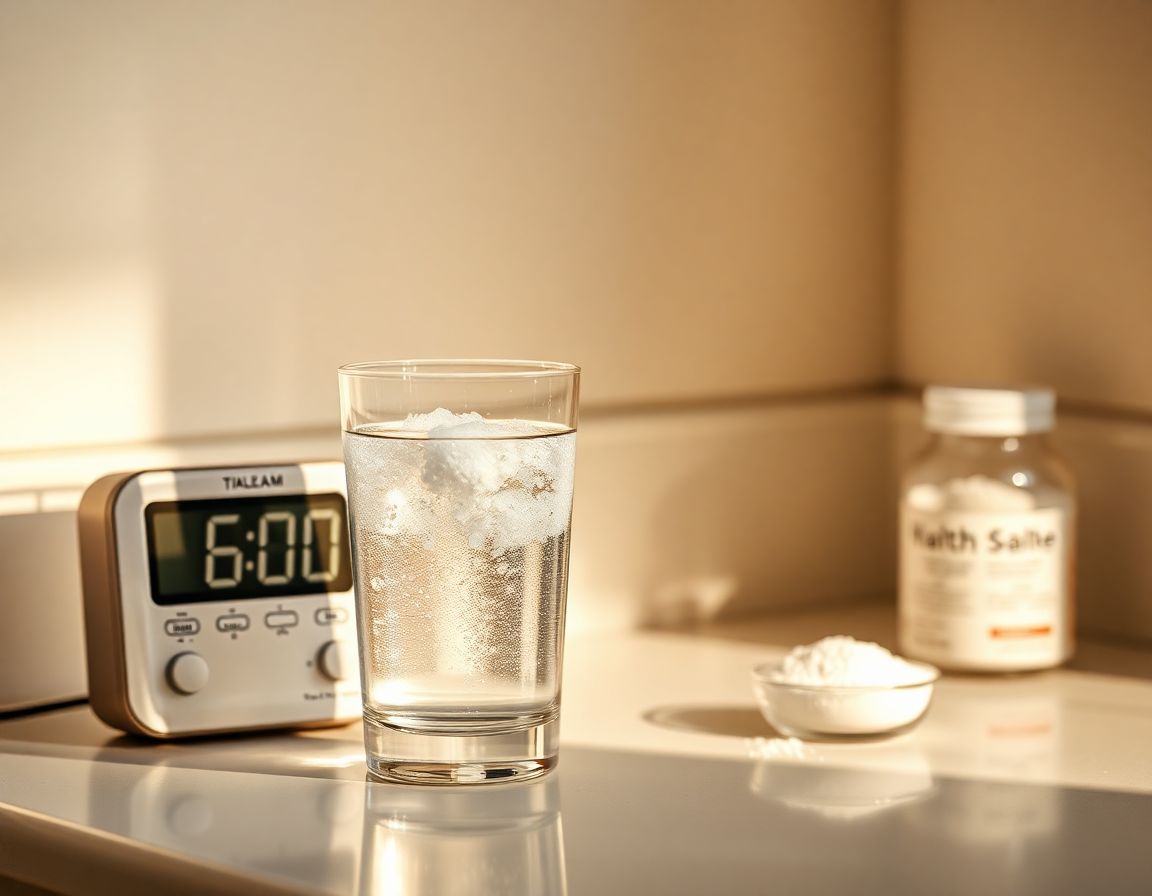
6:00am. Wake up. First thing: 16-20 oz of water, salted to taste. You've been fasting for 7-8 hours. Your sodium is depleted. Your muscles need electrolytes to fire properly. Skip this step and your warm-up sets will feel heavier than they should.
6:15am. Coffee (optional). Black coffee only. No cream, no butter coffee, no MCT oil nonsense. Caffeine before training improves power output by 3-5% in most studies. But if coffee doesn't sit well on an empty stomach, skip it. The electrolytes matter more.
6:30am. Pre-workout fuel (optional). This is where people get confused. You have two options:
- Train fully fasted. Works great for moderate sessions under 60 minutes. Your body runs fine on stored glycogen and fat.
- Light protein. 2-3 eggs, scrambled in butter. Takes 3 minutes to cook. Gives you 12-18g protein and some easy fats. This is better for sessions over 60 minutes or heavy compound lifts.
Don't eat a full steak before training. Your blood goes to digestion instead of your muscles. Light and fast, or nothing at all.
7:00am. Train. Whatever your program is, run it. Lifting, BJJ, sprints, rucking. The electrolytes are working. The caffeine is peaking. You're not fighting a glucose rollercoaster from processed carbs. This is sustained, even energy from start to finish.
8:00 - 8:30am. Post-workout meal. This is the most important meal of your day. Within 60 minutes of finishing your session, you eat real food. Not a shake. Not a bar. Actual meat.
- 8-12 oz ground beef (80/20) or a 10 oz steak
- 3-4 eggs
- Cook in tallow or butter
- Salt heavily
- Target: 40-50g protein minimum
9:00 - 10:00am. Digest and start your day. You've already trained and eaten your first real meal. Most people are still hitting snooze or standing in line at Starbucks. You're done.
Why This Beats the Old Approach
The cereal-and-OJ breakfast gives you a fast glucose spike followed by an insulin crash. Your energy peaks at 7:30am and craters by 9. You know the feeling. Foggy brain, heavy limbs, reaching for more coffee or a granola bar just to function.
On carnivore, there's no spike and crash. Your body runs on a combination of dietary fat and stored body fat. Energy is flat and consistent. People report this constantly: "I just feel even all morning." No highs, no lows. Just steady output.
Here's what the pattern looks like in practice:
- Week 1-2: Adjustment period. You might feel slightly low energy during training as your body adapts. This is normal. Don't quit here.
- Week 3-4: Energy stabilizes. Workouts feel sustainable. You stop thinking about food during sessions.
- Week 5+: Performance matches or exceeds your old baseline. Recovery between sets improves. You're not dragging yourself to the gym anymore.
I've seen this timeline play out with dozens of clients. Meal timing around training matters more than most people think. The adaptation period is real, but it's also temporary.
The Electrolyte Piece (Don't Skip This)
Most people who say "I tried carnivore and felt terrible" weren't eating enough salt. It's that simple.
On carnivore, your kidneys excrete sodium faster because insulin levels are lower. Lower insulin means less sodium retention. You need to replace it actively. One check before you do.
If you take a daily pill for blood pressure or your heart, a water pill, or anything to do with your kidneys, talk to your doctor or pharmacist before you add potassium from a supplement, from a salt substitute like Lite Salt or No Salt, or from a daily electrolyte packet. Some of those medicines already hold potassium in your body, so extra on top is the problem rather than the help. Same conversation if a blood test has ever come back with a note about your potassium, your sodium, or your kidney function, and ask about magnesium too, since it interacts with plenty of prescriptions.
This section used to list daily milligram targets for all three. I've taken them down rather than quietly print smaller ones, because one number aimed at every reader is wrong for the people it can hurt. What holds for everyone: salt your food and salt it to taste, heavier on days you sweat. Meat brings potassium and magnesium with it. If you are still cramping after a week of salting like you mean it, that is a blood panel and a conversation with your doctor, not a bigger scoop.
Your morning electrolyte drink isn't a supplement gimmick. It's replacing what your body needs to function. Electrolyte deficiency is the most common reason people feel bad on carnivore. Fix this first before you troubleshoot anything else.
What About Fasted Training?
I get this question constantly. "Can I train fasted on carnivore?" Short answer: yes, for most sessions.
Your body stores roughly 400-500g of glycogen in your muscles. Even on carnivore, you maintain adequate glycogen stores through gluconeogenesis. Your liver converts protein and glycerol into glucose as needed. You're not going to bonk during a 45-minute lifting session.
Where fasted training gets dicey:
- Sessions over 90 minutes
- Competition days (BJJ tournaments, meets)
- Two-a-day training blocks
- Heavy squat or deadlift days (RPE 9+)
For those situations, eat the 2-3 eggs before you train. The small protein load gives your body something to work with without slowing you down. It's a 3-minute investment that pays off in the last quarter of your session.
Build the Routine, Then Forget About It
The power of this protocol isn't any single piece. It's the system. You do the same thing every morning. Electrolytes, optional coffee, train, eat. No decisions. No wondering what to have for breakfast. No standing in the kitchen at 6am trying to figure out your life.
After 2-3 weeks, this becomes automatic. You wake up and your body knows the sequence. That's when the real gains start. Not from some magic food timing window, but from consistency that doesn't require willpower to maintain.
Set up the protocol. Run it for 30 days. Measure your performance. Then tell me it doesn't work.
I'm not a doctor. I've coached people and competed myself, so I know what works. But I'm not your doctor. If you have health issues or take meds, check with someone qualified. Everything here is based on what works in practice and what research supports. Your mileage may vary.