
This post may contain affiliate links. For educational purposes only, not medical advice. Details
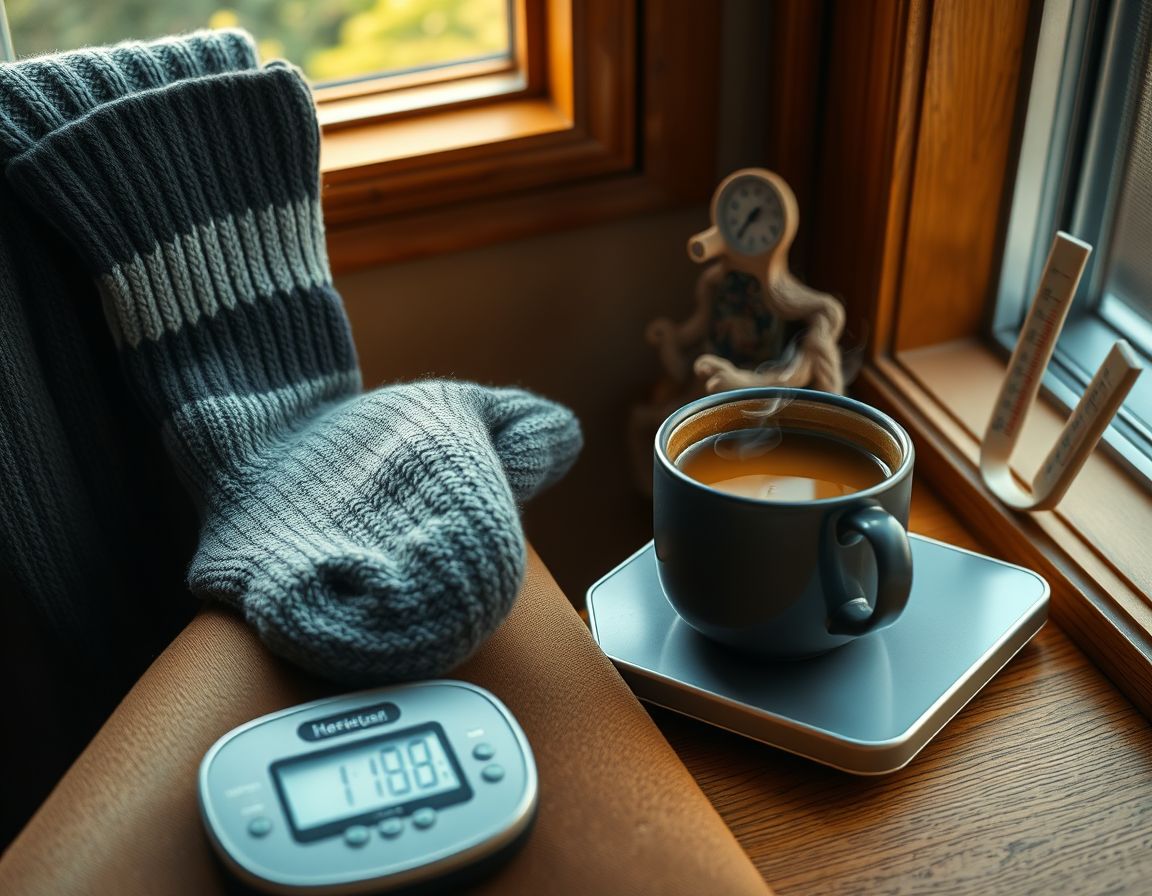
You're wearing socks to bed in July. Your hands are cold on the steering wheel. If that started after you went carnivore and the scale began moving, you're not imagining it, and you're far from alone.
Here's the short answer. Feeling cold while losing weight on carnivore usually comes down to a few fixable things: eating too little overall, especially too little protein, losing weight fast, running low on sodium in the first weeks, or sleeping poorly. But cold that sticks around, or shows up with a cluster of other symptoms, is worth a conversation with your doctor.
Why your body turns the heat down
Your body makes heat partly by digesting food and running its everyday machinery. When less fuel comes in than you're burning, it quietly turns the thermostat down to save energy. Cold hands and feet are often the first place you notice it, because your body protects your core and lets your extremities cool off.
The four usual suspects
1. You're eating too little, especially protein. Carnivore is very filling, so appetite drops and many people end up under-eating without meaning to. Protein matters here because digesting it produces more heat than digesting fat does. Our house range is 0.8-1.0 g of protein per pound of goal body weight, spread as 30-40 g per meal. Our guide on protein after 50 and keeping your muscle shows what those meals actually look like.
2. Your deficit is too aggressive. If you're deliberately cutting hard, your body pushes back. Over 50, 0.5-1 lb a week after the first water week is a good pace. Faster than that for weeks on end, and cold, fatigue and irritability tend to follow. If you're not sure what "enough" looks like for you, how many calories you really need after 50 is a good place to start, and if you want a starting point for your own numbers, our free macro calculator builds them off your goal weight.
3. You've lost some insulation. Body fat keeps you warm. As it comes off, especially if it comes off quickly, you have less of a buffer against a cold room. Many people find this settles as their weight stabilizes, though some simply run a bit cooler at a lower weight.
4. Low sodium and poor sleep in the early weeks. In the first weeks, your body sheds water and sodium with it. Low sodium can leave you feeling washed out, lightheaded and chilly. For most adults, we suggest 3-5 g of sodium a day (1 tsp of salt is about 2.3 g of sodium), spread through the day. Sleep disruption is also common in weeks 2-3, and a short night can leave you feeling cold and run down the next day.
An important exception on salt: if you take blood pressure medication, a diuretic ("water pill"), or heart medication, or you have kidney disease or heart failure, don't follow any salt, potassium or magnesium amount on your own. Ask your doctor before adding any of them.
What to fix with food first
If you're otherwise well, try this for two to three weeks before worrying:
- Eat real meals. Two or three plates a day, each built around 30-40 g of protein. Think a burger patty with two eggs, or a good piece of salmon.
- Don't slash the fat too early. When you're cutting, trim added fat like extra butter first, but never the protein. And if you're already cold and tired, you may not need to cut at all yet.
- Salt your food (with the exception above), especially in the first month.
- Protect your sleep. Cut coffee after noon if you're waking at night.
Here's what I've seen work: most readers who were cold because they were under-eating notice a difference within a week or two of eating real meals again. Your situation might be different.
When cold hands and feet mean a doctor visit
Some causes of feeling cold have nothing to do with how much you're eating. If the cold hangs on after you've fixed your meals, it's worth asking your doctor about a few simple blood tests:
- A thyroid panel. An underactive thyroid is common in women over 50 and can make you feel cold.
- Iron and ferritin. Low iron stores can leave you chilly and exhausted, even when your diet is rich in red meat.
- Vitamin B12. Low B12 is more common with age and with some medications, and can show up as cold, tingling hands and feet.
Some things shouldn't wait for a fix-it-yourself trial. See your doctor if you notice:
- Fingers or toes turning white, blue or very pale, then red, when cold or stressed. That pattern can point to Raynaud's or another circulation problem.
- Cold together with extreme fatigue, hair loss and constipation. That combination deserves a proper workup, not more salt.
If you're on thyroid medication
Please don't change your dose yourself, up or down, because you feel cold. Bring the symptom to your prescriber and let them decide whether your labs need rechecking. Medication changes are their call, and they can only make a good one if they know what you're feeling.
We've written about thyroid in more depth elsewhere, so I won't repeat it here. If thyroid is on your mind, read whether carnivore is safe for your thyroid and, if you're hypothyroid and stalled, what to do when the scale won't move.
Cold is not the same as hot flashes
Feeling cold all day is different from hot flashes or night sweats, where heat surges up and you wake up damp. Many women in midlife get both, sometimes on the same night: a flash, a sweat, then a chill as the sweat cools. If your cold comes right after a sweat, that's usually the hormone pattern, not your food. If you're cold steadily, day in and day out, the list above is where to look.
The bottom line
Feeling cold on carnivore is common, and it's usually your body telling you it wants more food, more protein, or more salt (unless your medications mean salt is your doctor's call). Fix those first. If the cold hangs on, or comes with color changes, deep fatigue, hair loss or constipation, ask your doctor for a thyroid panel, iron and ferritin, and a B12 check.
Not a doctor: This article is general information, not medical advice. If you have a health condition or take medication, talk with your doctor before changing your diet.