
This post may contain affiliate links. For educational purposes only, not medical advice. Details
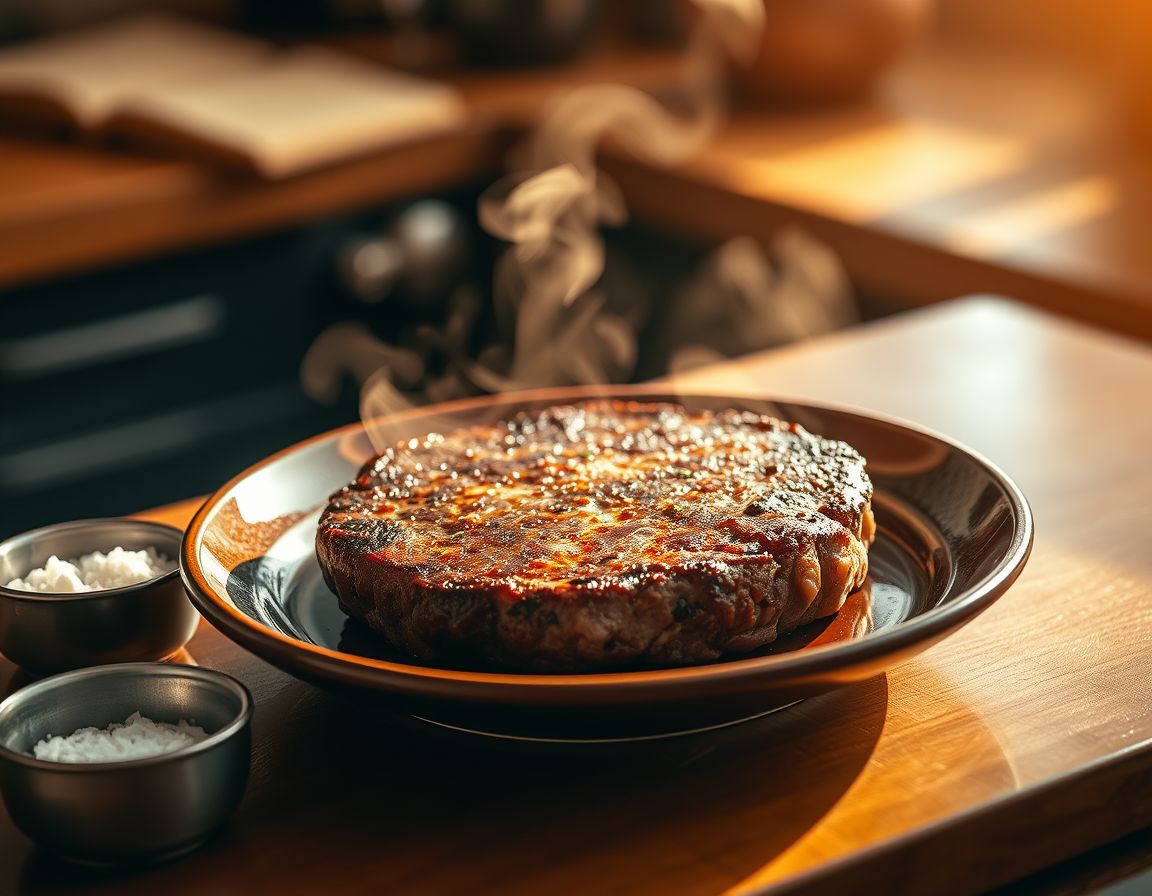
Okay so if you typed "how to make carnivore meals taste good" into Google, here's the short answer before anything else. Salt it properly. Cook it hotter than feels comfortable so you get an actual brown crust. Rotate your cuts so you're not eating the same lean ground beef nine times a week. And eat it hot, off a warm plate, not lukewarm out of a container. Those four changes fix most boring meat, and none of them cost extra money.
Here's the thing nobody says out loud. Making your food taste good isn't a treat you earn after being disciplined. It's the strategy. People who quit in week three almost never quit because the science let them down. They quit because dinner got sad and they ran out of reasons to show up to it.
Food You Look Forward To Is Not Cheating
A lot of us picked up the idea that a diet is supposed to feel like punishment. That if you're enjoying it, you're doing it wrong. It's backwards.
Real talk: I've never seen an eating pattern succeed by being unpleasant. Every approach that works gets people excited about something on the plate. Ours happens to be steak, butter, eggs, and salt, which is a pretty good hand to be dealt.
Some people describe this as re-learning what "yummy" means to them. Not lowering the bar, moving it. A ribeye with a hard salty crust is delicious by any standard, and it takes eight minutes.
The Four Changes That Fix Boring Meat
- Salt, more than you think. Most of us still salt like we were told to in 1995. You're not holding water the way you used to, so you need more. Our position is 3 to 5 grams of sodium a day for most adults, and one teaspoon of salt is roughly 2.3 grams of sodium. Salt the surface before it hits the pan, then again after. If you've had headaches, cramps, or that flat feeling, read our electrolytes on carnivore piece, because bland food and low sodium are usually the same problem.
- Heat and crust. Grey meat tastes like nothing. Brown meat tastes like food. Get the pan hotter than feels reasonable, pat the surface dry first, and don't crowd it. If you hate the smoke and the splatter, an air fryer does a shockingly good job on this, which Marcus covered in his kitchen upgrade post.
- Rotation. Eating the same thing daily is the fastest route to quitting. Aim for three or four different proteins a week. Ground beef stays the cheap backbone, and I still stand by the ground beef only strategy for tight weeks, but chuck roast, chicken thighs with the skin on, eggs, pork, and a little fish break up the sameness for almost nothing. If you rotate in liver, cap it at 4 to 8 ounces a week because of the vitamin A and copper load.
- Temperature and texture. The same steak hot off the pan and cold at your desk are two different foods. Warm the plate. Rest the meat five minutes. Save the fatty cuts for when you can eat them fresh, because reheated fat is where a lot of people decide they're "sick of meat" when really they're sick of leftovers.
Yes, It Still Takes Some Self-Control
You'll hear people say this takes no willpower because the food is so satisfying. That's half true, and the other half annoys people for good reason.
The satiety part is real. Smaller amounts of richer food do hold most people for hours in a way that a big low calorie salad never did. Somewhere around 30 to 40 grams of protein per meal is where that switch flips for most readers, and that matters more after 50, when spreading protein through the day beats one giant dinner. If you want a starting point for your own numbers instead of guessing, the free macro calculator will get you close in about two minutes.
But carbs are cheap, convenient, and everywhere, and pretending it takes zero effort to walk past them is silly. What changes is where the effort goes. Some people find the useful rule is this: only eat things that are worth it. A lot of old overeating wasn't hunger, it was food being nearby.
What About When You Want Something Sweet
I'll be straight with you, because this is where most articles hand you a list and make it worse.
Our answer to a sugar craving is protein, fat, salt, and time. That's it. Not berries, not dark chocolate, not sugar free candy, not a "keto" version of the thing you miss. Swaps keep the craving loop running. They keep sweet on the menu as a category your brain checks for, and every time you feed it, you renew the subscription.
The time part is what people skip. Cravings in the first ten days are loud, and they're temporary. Salt something, eat some fat, drink water, wait twenty minutes. Most of the time it just leaves.
Your Taste Is Going to Move, and That's the Win
Here's what a lot of people report after a few months off sugar. The stuff they used to love tastes wrong now. Painfully sweet. Some describe biting into an old favorite as more of a memory of something pleasant than an actual pleasant thing.
Others notice their old favorites genuinely did change, because they got reformulated years ago to save money, and the version in the checkout aisle isn't the one they remember. Either way, the pull weakens.
Which is why the first two months matter. Judge this at 60 to 90 days, not before, because your palate is still moving the whole time. We walked through what that stretch feels like in the two week results piece.
One Small Thing to Try This Week
Pick one meal. Salt it properly, get a real crust on it, and eat it hot at a table instead of standing at the counter. That's the whole assignment.
The version of this that lasts for years isn't the strictest one. It's the one where you're a little glad it's dinnertime. If you're juggling family meals too, the family integration post has the workarounds.
I'm not a doctor. I'm someone who's deep in this community and reads everything. Take health advice from me with a grain of salt, pun intended. And real talk: if you take prescriptions or have a diagnosis, especially blood pressure or kidney related, your sodium and protein numbers are a conversation with your prescriber, not a blog post.