
This post may contain affiliate links. For educational purposes only, not medical advice. Details
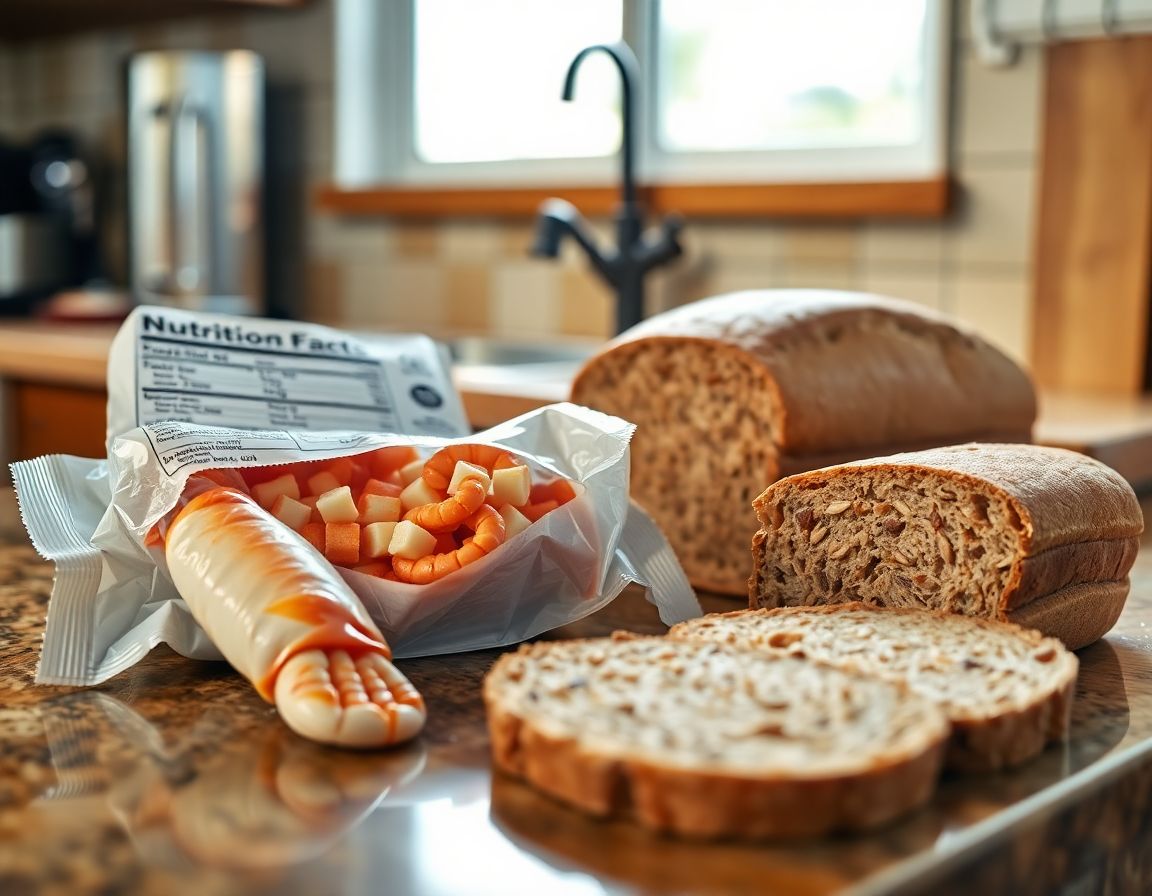
Okay, so imitation crab isn't crab
Somebody posted in a stall thread last week asking why they'd been stuck at the same weight for six weeks. Strict carnivore, they said. No cheats. Then three comments down, they mentioned the California rolls minus the rice. Just the crab and the avocado, so basically fine.
The whole thread piled on, but gently, because we've all been there. Imitation crab is not crab. It's surimi, which is white fish paste, usually pollock, mixed with starch, sugar, egg white, and enough food dye to make it look like a leg it never had. A three ounce serving runs about 12 to 13 grams of carbs. That's more carbs than a slice of bread per stick, and nobody's eating one stick.
Here's the thing though. That person wasn't lying or cheating. They genuinely believed they were eating seafood. And that's the actual problem worth talking about, because imitation crab is just the most obvious member of a much bigger family.
The animal-adjacent foods that keep showing up
I've been reading stall threads for years now, and the same foods appear over and over. Not junk food. Not obvious cheats. Foods that look like meat, are sold near meat, and pass the vibe check.
- Imitation crab and seafood sticks. Fish paste plus starch plus sugar. The undisputed champion of this list.
- Sugar-cured bacon. Most grocery store bacon is cured with brown sugar or maple. Usually it's under a gram per slice, so it's minor, but read the panel because some brands are wild.
- Deli meat. Turkey, ham, roast beef from the counter. Dextrose, corn syrup solids, carrageenan, modified food starch. The honey ham is doing exactly what the name says.
- Rotisserie chicken. The brine and the rub both carry sugar and starch. Skin's usually where it lives.
- Sausages and brats. Breadcrumbs, maltodextrin, milk powder as a binder. Breakfast sausage often has maple syrup in it.
- Jerky and meat sticks. Teriyaki, honey barbecue, sweet and spicy. Some flavors run 8 grams of sugar per bag.
- Canned fish packed in vegetable oil. Not carbs, but soybean and sunflower oil aren't what you signed up for.
- Processed cheese slices. The individually wrapped kind is often legally required to be called "cheese product." That tells you something.
- Bone broth in cartons. Half the shelf-stable ones are vegetable stock with beef flavoring.
Real talk: none of these will destroy you on their own. One slice of sugar-cured bacon is fine. The issue is that people eat these in volume, every day, for weeks, while believing the count is zero.
Why they cluster in stall threads specifically
This is the part that took me a while to figure out.
These foods aren't random. They're the convenience tier. They're what you reach for when you've been doing this for six weeks and you're tired of standing at the stove. Nobody stalls in week one because in week one you're excited and cooking ribeyes and taking pictures of them.
Week six is different. Week six you're grabbing a rotisserie chicken on the way home and eating deli turkey straight from the package over the sink like a raccoon. I'm not the only one who's done this. The convenience foods creep in exactly when motivation dips, which is exactly when a stall becomes likely anyway.
So the stall and the fake carnivore foods show up together, but the relationship is messier than "sugar caused this." Sometimes it's the carbs. Sometimes it's that you also stopped eating enough because packaged food is easy to under-eat. Sometimes it's neither and you just need to be patient. Weight loss isn't a straight line and the internet is very bad at remembering that.
How to actually check without losing your mind
You don't need to become a person who photographs nutrition panels in the grocery aisle. Well, okay, you might become that person. It's a phase.
The shortcut I use: flip the package over and read the ingredient list, not the nutrition panel. The panel can round anything under 0.5 grams down to zero, so a product with five sneaky ingredients can legally say zero carbs. The ingredient list can't hide.
Words to watch for: dextrose, maltodextrin, modified food starch, corn syrup solids, cane sugar, honey, maple, carrageenan, "natural flavors" when there are eleven of them.
And one shift that helps more than any label reading: buy meat that never had a label. A whole chicken, a chuck roast, ground beef, eggs, a slab of pork belly you cure yourself if you're feeling ambitious. If it doesn't have an ingredient list, you don't have to audit it.
What I'd actually do about it
If you're stalled and you eat any of the foods on that list regularly, here's the boring plan. Pull them for two weeks. All of them, not just the crab. Eat only things that came from an animal and were not assembled by a factory.
Two weeks is enough to see movement or confirm it wasn't the food. If nothing changes, you've learned something real and you can add the bacon back without guilt.
If it does move, you don't have to ban these forever. You just know now that deli meat is a sometimes food for your body, not a staple. That's useful information, and it cost you fourteen days.
The thing I keep coming back to is that nobody in these threads is being sloppy on purpose. Everyone's trying. The food system is just genuinely confusing, and "meat aisle" and "actual meat" are not the same category. Imitation crab sitting in the seafood case next to real shrimp is doing a lot of quiet work to blur that line.
Read the back of the package. That's it. That's the whole post.
I'm not a doctor. I'm just someone who's deep in the community and reads everything. Take all health stuff with a grain of salt, pun very much intended. I can tell you what people are trying and what's trending, but you gotta make your own calls. And real talk: if you're on medications or you've been diagnosed with anything, work with your healthcare provider before you change how you eat. Blood sugar meds and blood pressure meds in particular need adjusting when your diet changes, and that's not a thing to figure out from a blog post.