
This post may contain affiliate links. For educational purposes only, not medical advice. Details
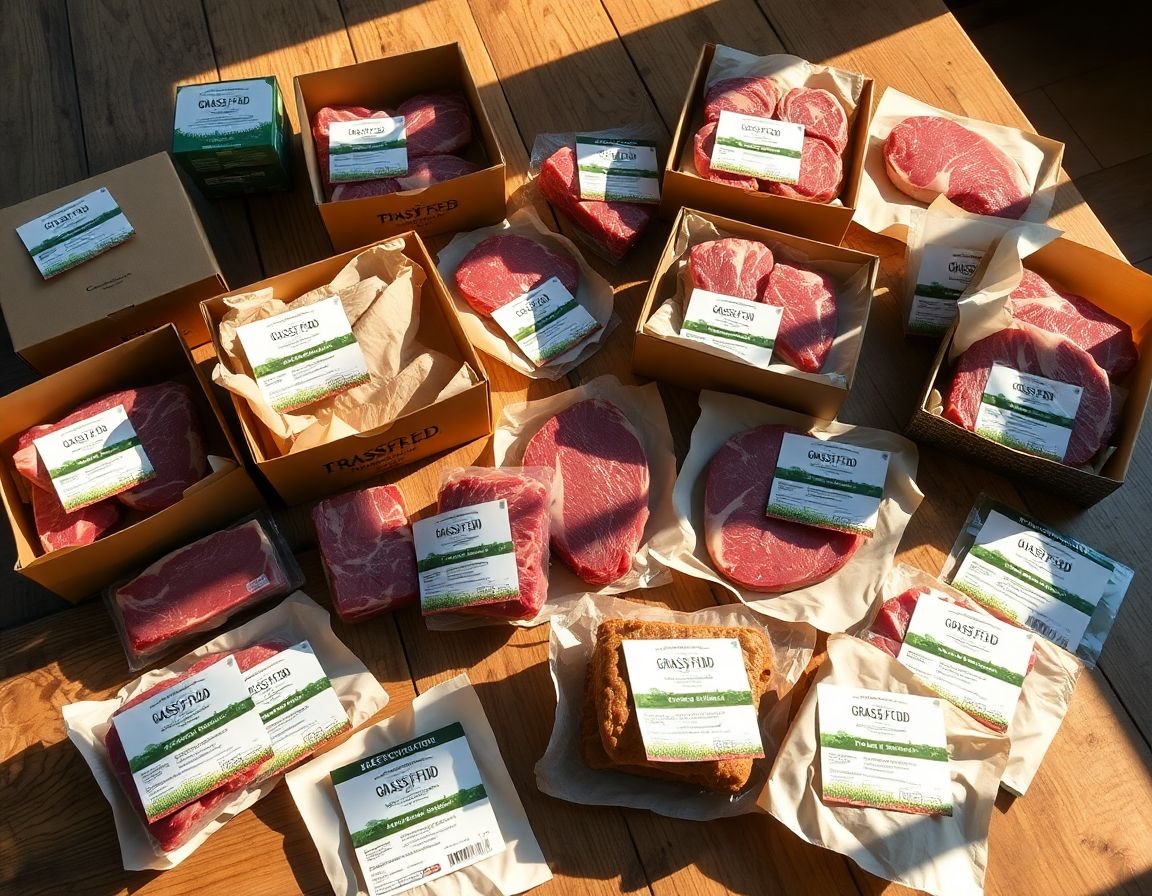
Okay, so your favorite creator switched to a farm box
You've noticed it too, right? Half the carnivore accounts I follow went from "just eat beef" to posting cooler boxes of frozen ribeyes from some farm in the middle of nowhere. Suddenly everyone's got a "guy." A cattle guy.
Real talk: this isn't a tiny thing anymore. Grass-fed beef sales are projected to hit around 25% of the total beef market this year, and the online delivery side is the fastest-growing piece of that. Forbes even ran a whole piece back in May about ethically sourced meat driving the carnivore boom. So no, you're not imagining the shift.
But here's the thing. A lot of that momentum is riding on one word, and that word is doing some heavy lifting it hasn't fully earned.
The "regenerative" label is not what you think it is
I'm not the only one who assumed "regenerative" meant something official. It doesn't. There's no consensus legal definition for it in the beef world, no enforced standard, and no federal body checking receipts.
It gets messier. The USDA actually rescinded its grass-fed marketing standard back in 2016. So even "grass-fed" on a package isn't tightly policed. "Natural," "humanely raised," "sustainably sourced," a lot of that is vibes and a nicer font.
Will Harris over at White Oak Pastures has been loud about this, and he's an actual regenerative farmer. His whole point is that big companies slap "regenerative" on commodity meat, charge more, and change nothing about how the animal was raised. That's greenwashing, and it's genuinely hurting the farmers doing the real work.
The word costs nothing to print. The farming behind it costs a lot. Those two things are not always in the same box.
What's actually worth paying for
I'm not saying it's all a scam. Some of this is very real and very good. A cow that spent its life on pasture, rotated across healthy soil, finished on grass instead of a feedlot? That's a different product. You can taste it, and the sourcing story holds up when you dig.
Organ meats are where the regenerative crowd really shines, by the way. Liver, heart, kidney from a well-raised animal is worlds better than the sad grocery-store stuff, and small farms actually want to sell you the whole animal. If you've been curious about organs, this is your easiest on-ramp.
What's NOT worth it is a mass-market brand with a leaf on the label and a $4 markup and zero proof. If a company can't tell you the farm, the finish, and the practice, you're paying for marketing, not soil health.
How to actually buy this stuff without getting played
Here's what I've picked up from people way deeper in the sourcing game than me. Steal it.
- Buy a cowshare or quarter cow from a local farm. You split a whole animal with other people, pay by hanging weight, and it works out cheaper per pound than boutique boxes. Bonus: you meet the farmer.
- Ask the four questions. Was it pasture-raised its whole life? Grass-finished or grain-finished? Any antibiotics or hormones? Can I visit or see the operation? A real farmer answers all four without flinching. A reseller gets cagey.
- Use a reputable delivery box if local isn't an option. Services like ButcherBox, US Wellness Meats, and a handful of others ship frozen and name their sourcing. That's the key word, named. If the box won't name farms or finishing, keep scrolling.
- Check your local farmers market and pasture-raised directories. A ten-minute drive to a stand often beats any subscription, and the price is human.
- Start with ground beef and organs before the fancy cuts. It's the cheapest way to test whether a source is legit before you commit to a freezer full.
A note on the freezer math and the crash
Buying in bulk means you need somewhere to put it. A chest freezer pays for itself fast if you're doing cowshares, and honestly it's the single best carnivore upgrade nobody talks about.
One more real-talk thing. When people switch to leaner grass-finished beef, some feel rough for a week. Different fat, sometimes different water intake, and your electrolytes can dip. If that's you, get your salt and minerals dialed in. LMNT is the electrolyte mix the whole community seems to agree on, and it smooths out that transition week.
Where I land on all of it
The regenerative boom is a good thing, mostly. More people caring where their beef comes from is a win, and the farmers doing it right deserve every dollar. Just don't let a pretty label do your thinking for you.
Know your farmer, ask the questions, taste the difference yourself. If you want the actual science on why grass-finished fat profiles differ, that's Sarah's lane, not mine, and she's written about it if you want the deep version. Me? I'm just the one telling you to call the cattle guy.
I'm not a doctor, and I'm definitely not a rancher. I'm someone who's deep in the community and reads everything. I can tell you what people are buying and what's actually worth it, but you make your own calls, especially if you've got medical stuff going on. If you're managing a condition or on prescriptions, talk to your healthcare provider before overhauling anything.