
This post may contain affiliate links. For educational purposes only, not medical advice. Details
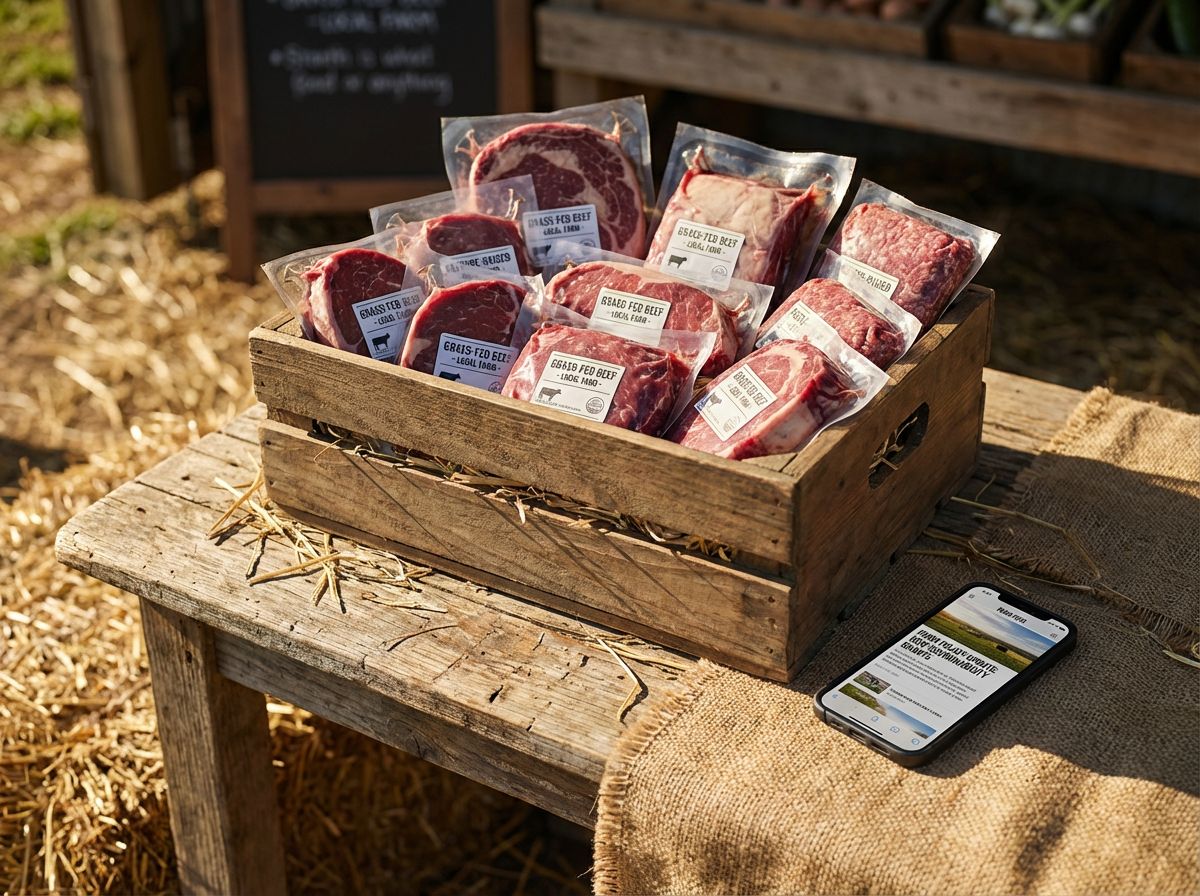
Your carnivore sourcing just got a plot twist—here's what actually matters
So this happened: RFK Jr. gets appointed, glyphosate suddenly trends on YouTube, and my DMs exploded with carnivore community members asking if they need to panic-buy grass-fed beef or switch their entire supplier list. Real talk? Most of the discourse online is noise. But there ARE actual shifts happening that deserve your attention—not because of politics, but because knowing what's changing helps you make smarter sourcing decisions.
I've been in the carnivore space long enough to watch people stress about things they can't control, then completely miss the actionable stuff that actually affects their shopping cart. So let's cut through the headlines and talk about what glyphosate policy changes mean for your steak, your butter, and your grocery bill in 2025.
The RFK Effect: What's Actually Shifting
First, the non-scary version: RFK Jr.'s food policy stance is basically "reduce synthetic pesticides, prioritize regenerative agriculture." If you've been following carnivore creators on YouTube, you've probably seen clips of him talking about cleaning up the food supply. The trending narrative is all apocalyptic, but the actual policy direction is... honestly pretty aligned with what we've already been doing as carnivores.
Here's what's potentially changing:
- Glyphosate restrictions may tighten on certain crops (wheat, oats, legumes—things carnivores don't eat anyway)
- Regenerative farming incentives could increase access to pasture-raised and grass-fed meat (which benefits us directly)
- Supply chain transparency might improve, making it easier to source clean meat
- Regulatory timelines are still unclear—"policy" and "implementation" are two very different things
The thing nobody's saying out loud? Most carnivores already source better meat than the average American. You're probably already ahead of whatever regulatory floor the government sets. This isn't a wake-up call—it's just the mainstream catching up to what the community's known for years.
Glyphosate and Your Meat: The Actual Connection
Here's where I need to be honest: if you're eating ruminant meat (beef, lamb, bison), glyphosate residues aren't really your problem. Cows eat grass, not Roundup-ready crops. Now, if you're buying conventional ground beef or processed meat products, yeah, there's slightly more exposure through grain supplementation. But we're talking trace amounts, not life-altering quantities.
Where glyphosate DOES affect carnivores? Grass-fed beef from cattle that grazed on land treated with glyphosate (less common but it happens), and organ meats from grain-finished animals. If you're deeply concerned about pesticide exposure, prioritizing grass-fed/grass-finished is still your best move—not because of new policy, but because it's genuinely cleaner.
The real talk: most YouTube creators freaking out about glyphosate in meat are either oversimplifying or fear-mongering. Don't let trending algorithms stress you about something that's not actually your primary exposure route.
Your Actual 2025 Sourcing Checklist
Instead of waiting for policy to maybe change something, here's what carnivores should actually focus on right now:
- Know your farmer or supplier. This is the #1 hedge against regulatory uncertainty. Local farms, known ranchers, farmers markets—personal relationships beat any government standard.
- Prioritize grass-fed/grass-finished when possible. Not because of RFK policy, but because it's genuinely superior nutrition and lower input contamination.
- Diversify your sourcing. If Costco's grass-fed suddenly becomes unavailable, have a backup. Know a second supplier. This isn't paranoia—it's logistics planning.
- Stop obsessing over certifications you can't verify. "Regenerative" labels are trending, but they're often marketing. Direct relationships matter more.
- Organ meats are still your wild card. If you're concerned about grain-finishing residues, organs from grass-fed/pastured sources are your play. They're also incredibly nutrient-dense and usually way cheaper.
If you've already been shopping at farms or using local suppliers, literally nothing changes for you. If you've been buying bulk conventional beef from big-box stores, shifting toward local or grass-fed IS a smart move—just do it for the quality, not because policy might force it eventually.
The Supply Chain Reality Check
Here's something the community doesn't talk about enough: even if RFK's policies get aggressively implemented, the actual supply chain shift takes years. Regulations don't flip a switch. Farmers can't change their entire operation overnight. The "glyphosate ban panic" assumes instant enforcement, which literally never happens in U.S. food policy.
Worst case? Certain conventional meat becomes slightly more expensive, and premium grass-fed becomes more accessible/cheaper as demand normalizes. Best case? Supply chain actually improves and transparency increases. Neither of these scenarios requires you to do anything extreme right now.
The only reason to make sourcing changes is if you genuinely believe the quality improvement is worth the cost or convenience shift. Not because headlines are trending. Not because YouTube creators are panicking. Because YOU want cleaner food.
What I'm Actually Watching in 2025
Real talk from my perspective: I'm less interested in policy announcements and more interested in what actually happens in the supply chain. Are small regenerative farms getting easier access to distribution? Are grass-fed prices stabilizing? Are more creators being transparent about their actual sourcing?
These are the indicators that matter. Not RFK's Twitter posts. Not trending YouTube conspiracy videos. The actual, boring logistics of whether carnivores can access better meat at reasonable prices.
If you've been thinking about switching to a local farm or trying a new supplier, 2025 is probably a good year to do it—not because you're panicking, but because the conversation around food sourcing is finally mainstream enough that options are expanding. That's the real win.
Don't let the political theater distract you from what you already know: quality meat from known sources is worth the effort. Everything else is just noise and trending algorithms.
-Chloe
---