
This post may contain affiliate links. For educational purposes only, not medical advice. Details
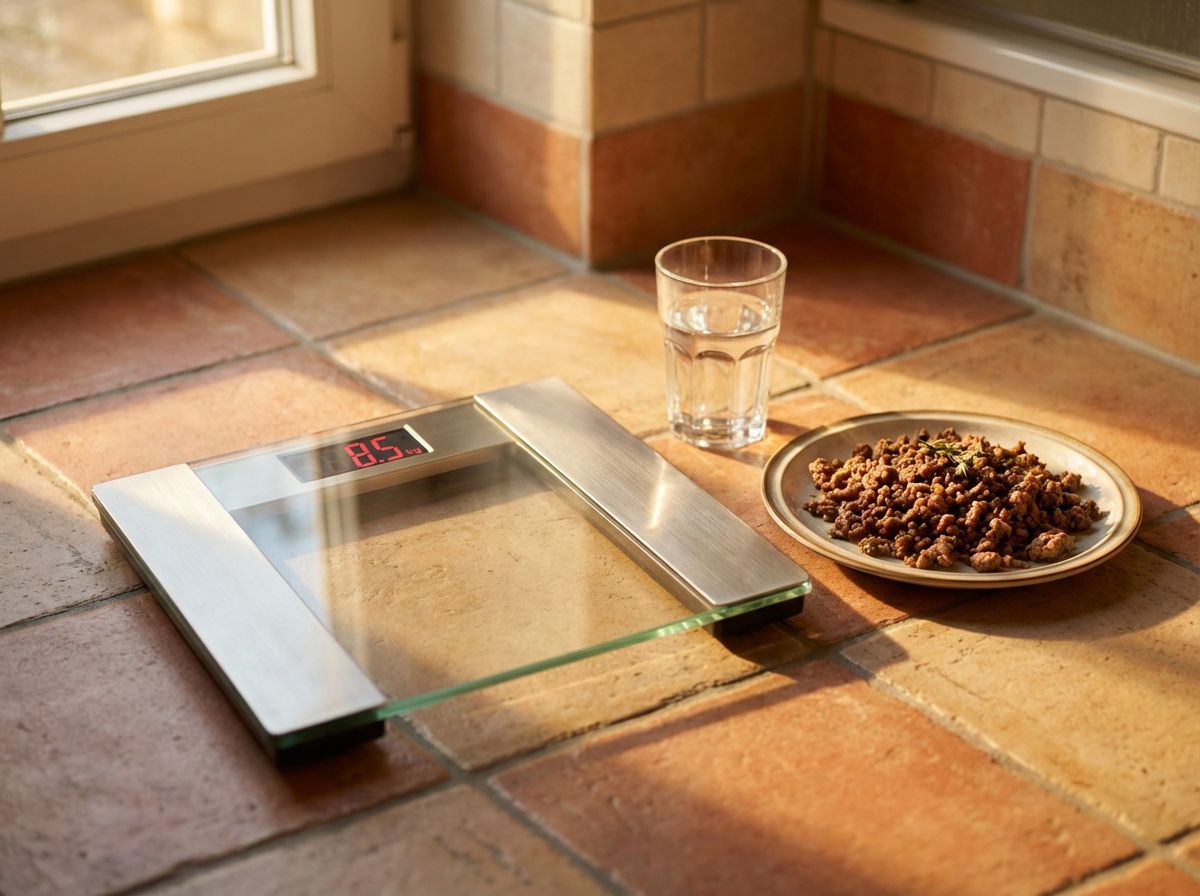
If you gained two or three pounds in your first week or two of carnivore, it's almost never fat. It's usually more salt holding more water, a heavier load of food sitting in your gut, and slower bowels while your digestion adjusts. Give it two weeks, weigh once a week instead of every morning, and only look harder if the number keeps climbing after that.
One reader put it perfectly: "Why did I gain two pounds after only three days on carnivore?" I get some version of that question every week, usually with a lot of worry attached. So let me walk you through what's actually going on, and how to tell normal from a real problem.
Why the scale goes up in week one
Most people expect to drop weight fast on carnivore, and plenty do. When carbs disappear, your body uses up its stored glycogen, and glycogen is stored with water, so that water leaves too. That's the "I lost 8 pounds in a week" story you see online.
But a lot of people, especially women, see the opposite. Here are the usual reasons, from most to least common:
- You're eating more salt. Every carnivore guide tells you to salt your food, and you should. But if you went from a lower-salt diet to salting every steak, your body holds on to a bit more water for a few days while it settles. This evens out.
- There's more food in your gut. A pound of ground beef weighs a pound. Meat is dense, and if you're eating bigger portions than you used to, that weight sits in your digestive tract until it moves through.
- Things are moving slower. Fewer bathroom trips in the first couple of weeks is very common. Whatever hasn't left yet still counts on the scale. If this is you, my carnivore constipation guide covers what helps.
- You're eating more than you think. Carnivore is filling, but cheese, butter, bacon and cream add up quickly when you're hungry and new. That one can be real gain, and it's fixable.
- Your cycle or hormones. If you still have a cycle, or you're in perimenopause, a two to four pound water swing in the week before your period is normal on any diet. Starting carnivore that same week makes it look like the diet did it.
- New exercise. If you started walking or lifting at the same time, sore muscles hold water while they recover.
How to tell water from real gain
Water weight moves fast. It can swing two or three pounds overnight and it often comes off as fast as it arrived. Fat doesn't work that way. You can't gain a pound of fat in a day from steak and eggs.
A few easy checks:
- Your rings, socks and waistband. Puffy fingers or sock lines on your ankles point to water.
- Your clothes. If your jeans fit the same or looser while the scale says up, that's water or food weight.
- Your bathroom habits. If you haven't had a proper bowel movement in two or three days, the scale is weighing that too.
What I'd do in the first two weeks
Here's what I've seen work for most people:
- Weigh once a week, same morning, same conditions. Daily numbers in week one mostly measure water and food. A weekly number is something you can actually read.
- Keep salting your food to taste. Don't cut salt to chase a lower number. Too little salt in the first weeks is behind a lot of the headaches, cramps and wobbly feelings people blame on meat. If you take blood pressure medication or have heart or kidney concerns, ask your doctor how much salt is right for you before changing it.
- Eat to full, then stop. Don't add extra fat on top of a meal you're already satisfied with. Go easy on cheese and cream for the first month, and see my post on whether cheese is stalling your weight loss if dairy is a big part of your plate.
- Drink water when you're thirsty. Being a little dehydrated makes your body hold on to more water, not less.
- Track something besides the scale. Write down your energy, your sleep, your afternoon slump and how your clothes fit. Those usually move before the scale does.
When it's worth a closer look
If you're still gaining after two to three weeks, look at portions first. Cheese, butter, bacon and processed meats are the usual places extra calories hide. Write down everything you eat for one week, including the bites while you cook. Most people find the answer right there.
If you've eaten more than usual for years, or you've been under-eating to lose weight, your body may also hang on to a few pounds while it adjusts to regular, filling meals. That usually settles within a few weeks.
Please talk to your doctor if the gain comes with swelling in your legs or ankles that doesn't go down overnight, shortness of breath, or if you gain several pounds in just a few days without eating more. Sudden fluid gain like that is not a diet question, and it needs a proper check.
What usually happens next
For most people, the scale settles somewhere in weeks two to four and starts trending down once the water and digestion find their rhythm. If you're on the other side of this and the scale barely moved in week one, I wrote about that too: only down 3 pounds in week one. And if you want to know what the rest of the first month feels like, the week-by-week adaptation timeline is a good next read.
A higher number in week one doesn't mean carnivore isn't working for you. It means your body is adjusting to a big change in how you eat. Give it a fair two weeks before you judge it.
I'm not a doctor. I've researched this deeply and worked with many people, but I'm not your doctor. If you have health conditions, take medications, or need specific guidance, talk to someone who knows your full medical picture. Everything I write is educational based on research and what I've seen work. Your situation might be different.
-Sarah