
This post may contain affiliate links. For educational purposes only, not medical advice. Details
The Histamine Problem Nobody Talks About: Why Your Ground Beef Might Be Working Against Your Healing
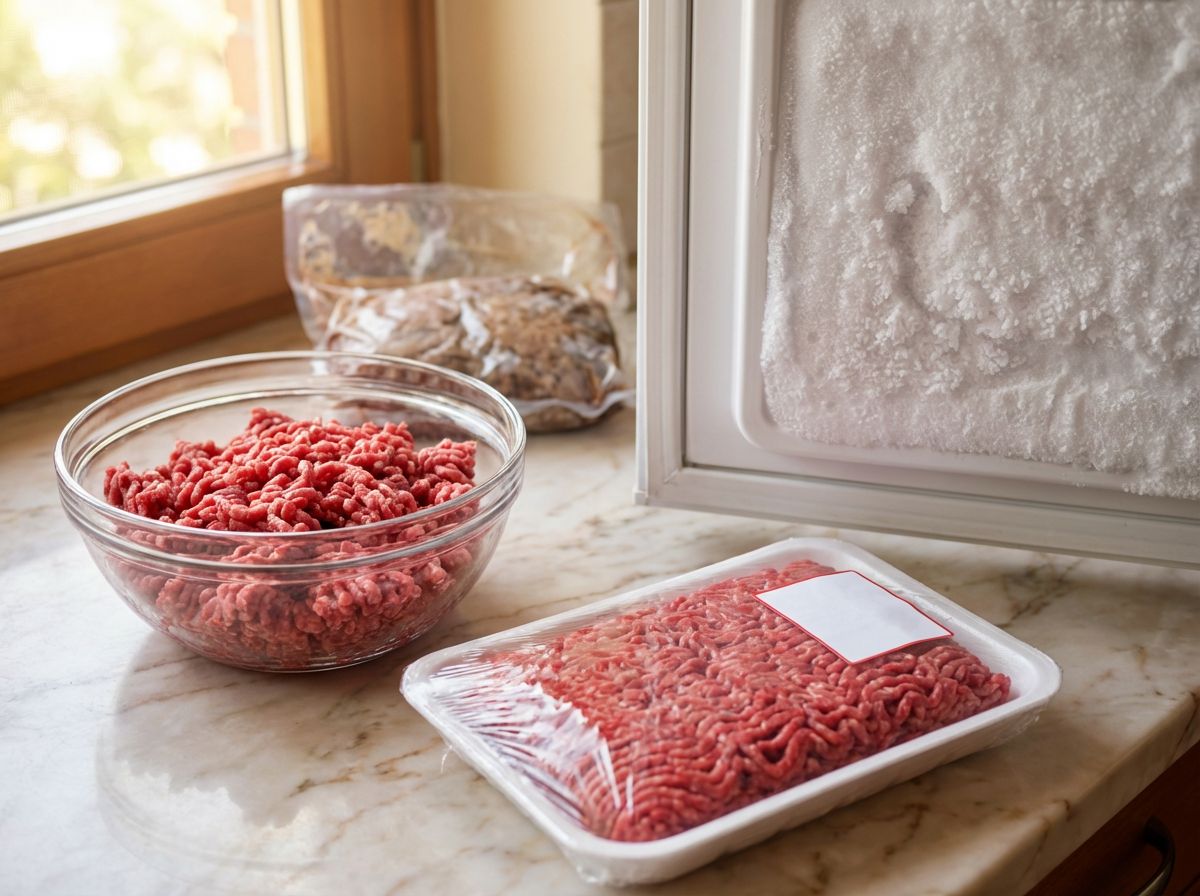
I've been thinking about the messages I receive from carnivores who feel like they're doing everything right, and yet they're still struggling with bloating, brain fog, or unexplained fatigue. Often, when we dig into their food sourcing, the culprit is sitting right there in their freezer: ground beef.
Here's what the research shows, and what I've learned from my own healing journey and from working with hundreds of practitioners: ground meat is a histamine amplifier. It's not inherently "bad," but the way most of us source and store it creates a perfect storm for histamine accumulation. If you're histamine-sensitive—and many people with autoimmune conditions are, whether they realize it or not—this single sourcing decision can be the difference between thriving and spinning your wheels.
Let me be direct about something first: I'm not here to shame anyone who's been buying ground beef from the grocery store. I did it for years. But once I understood the mechanism, I couldn't unsee it. And I want to walk you through exactly why this happens, and more importantly, what you can actually do about it beyond the obvious answer everyone mentions.
Why Ground Beef Becomes a Histamine Time Bomb
When muscle tissue is ground, you're exponentially increasing its surface area. More surface area means more exposure to oxygen, bacteria, and enzymatic breakdown. This isn't theoretical—histamine is literally produced when muscle proteins break down, and that breakdown accelerates dramatically once grinding happens.
Think of it this way: a whole steak has a protective exterior. Even if bacteria colonize the surface, the interior stays relatively protected. Ground beef? Every single particle is exposed. The moment that meat hits the grinder, a clock starts ticking.
Most commercial ground beef sits in the case for days. The USDA allows ground beef to be sold for up to two days after grinding, but that's just the legal minimum—it often sits longer before you buy it, then longer in your fridge. By the time you cook it, histamine levels can be 10 to 50 times higher than they were immediately after grinding.
Even grass-fed, pastured ground beef from reputable sources carries this issue if it's been sitting. I learned this the hard way when I switched to "premium" ground beef and still had reactions. The sourcing quality matters less than the freshness when it comes to histamine accumulation.
The Temperature and Storage Factor That Changes Everything
Here's something that rarely gets discussed: how ground meat is stored before you get it matters as much as how you store it at home. Frozen ground beef actually accumulates histamine more slowly than refrigerated meat, but the quality of that freezing process—and how many times it's been thawed and refrozen—dramatically affects histamine levels.
Commercial meat grinding facilities often grind large batches that sit in coolers before being packaged and frozen. That window between grinding and freezing is where histamine really takes off. By contrast, meat you grind yourself at home—from a fresh steak, immediately before cooking—has minimal histamine accumulation.
I know this sounds like extra work, but once you experience the difference, it becomes worth it. When I started grinding my own beef from grass-fed chuck roasts immediately before cooking, my chronic bloating—which I'd attributed to the diet itself—disappeared within two weeks.
Beyond White Oak Pastures: Practical Sourcing Solutions That Actually Work
The elephant in the room is that White Oak Pastures, while excellent, isn't always accessible or affordable for everyone. The good news is that you have more options than you might think.
Local Butchers with Custom Grinding: This is your goldmine. Call butchers in your area and ask if they'll grind beef fresh to order. Most will. I work with a local butcher who grinds a 2-pound batch for me while I wait. Yes, I have to plan ahead. Yes, it takes 10 minutes. The payoff is ground beef with minimal histamine that I cook immediately. Many butchers charge nothing extra or just a dollar or two.
Whole Cuts and a Food Processor: If you don't have a meat grinder, a high-powered food processor works beautifully for smaller batches. Cut a grass-fed chuck roast into 1-inch cubes, partially freeze them for 30 minutes, and pulse in a food processor until ground. It takes five minutes and you control the freshness entirely.
The Freeze-Then-Grind Approach: Some butchers will sell you whole cuts specifically for grinding and will grind them fresh before freezing for you. Ask explicitly: "I need this ground fresh, then immediately frozen." There's a difference. Fresh-ground-then-frozen has far lower histamine than ground-then-stored-then-frozen.
Direct Farm Relationships: If you have access to farms selling directly to consumers, this is worth exploring. Some will custom-process meat for you, including grinding fresh. You're often getting meat that was processed yesterday, not weeks ago.
The Vacuum-Seal Difference: If you do buy pre-ground beef, vacuum sealing and immediately freezing extends the window where histamine stays lower. But understand this is harm reduction, not a solution. Within a few days of thawing, histamine begins climbing again.
How to Know If Histamine in Ground Beef Is Actually Your Problem
Not everyone is histamine-sensitive, so before you overhaul your sourcing, ask yourself: do I have a pattern? Brain fog that comes after meals with ground beef but not after steak? Bloating? Flushing? Headaches a few hours after eating ground meat? If you're noticing a pattern, histamine sensitivity is worth investigating.
The honest assessment: try the fresh-ground approach for two weeks and pay attention to how you feel. Use a local butcher or grind it yourself. Cook it immediately or within a few hours of grinding. If your symptoms improve, you've found something real. If nothing changes, ground beef probably isn't your limiting factor.
For those of us with autoimmune conditions, histamine sensitivity often exists on a spectrum, and individual tolerance varies wildly. What triggers me might not trigger you. But the pattern I see repeatedly is that people assume they're reacting to the diet itself when they're actually reacting to the freshness and processing of their meat.
The Bigger Picture of Your Healing
I share all of this because healing from chronic illness isn't just about what you eat—it's about optimizing the *quality* of what you eat at a level most people never consider. When I was struggling despite being carnivore, I thought the problem was the diet. The real problem was my sourcing. That small detail changed everything for me, and I've seen it change everything for others too.
Ground beef isn't off the table on carnivore. It's just asking us to be smarter about it. Your body is working hard to heal. Give it the best raw materials you can.
I'd love to hear what you find when you experiment with fresher ground beef. Reach out and let me know if this resonates with your experience.
I'm not a doctor. I've researched this deeply and worked with a lot of people, but I'm not your doctor. Histamine intolerance and mast cell conditions get diagnosed properly, not from a symptom list on the internet, and if you take antihistamines or carry an epinephrine pen for food reactions, work this out with your allergist rather than by experiment. Everything here is educational, based on research and what I've seen work. Your situation might be different.
-Sarah