
This post may contain affiliate links. For educational purposes only, not medical advice. Details
Muscle Meat Is Great. It's Also Not Complete.
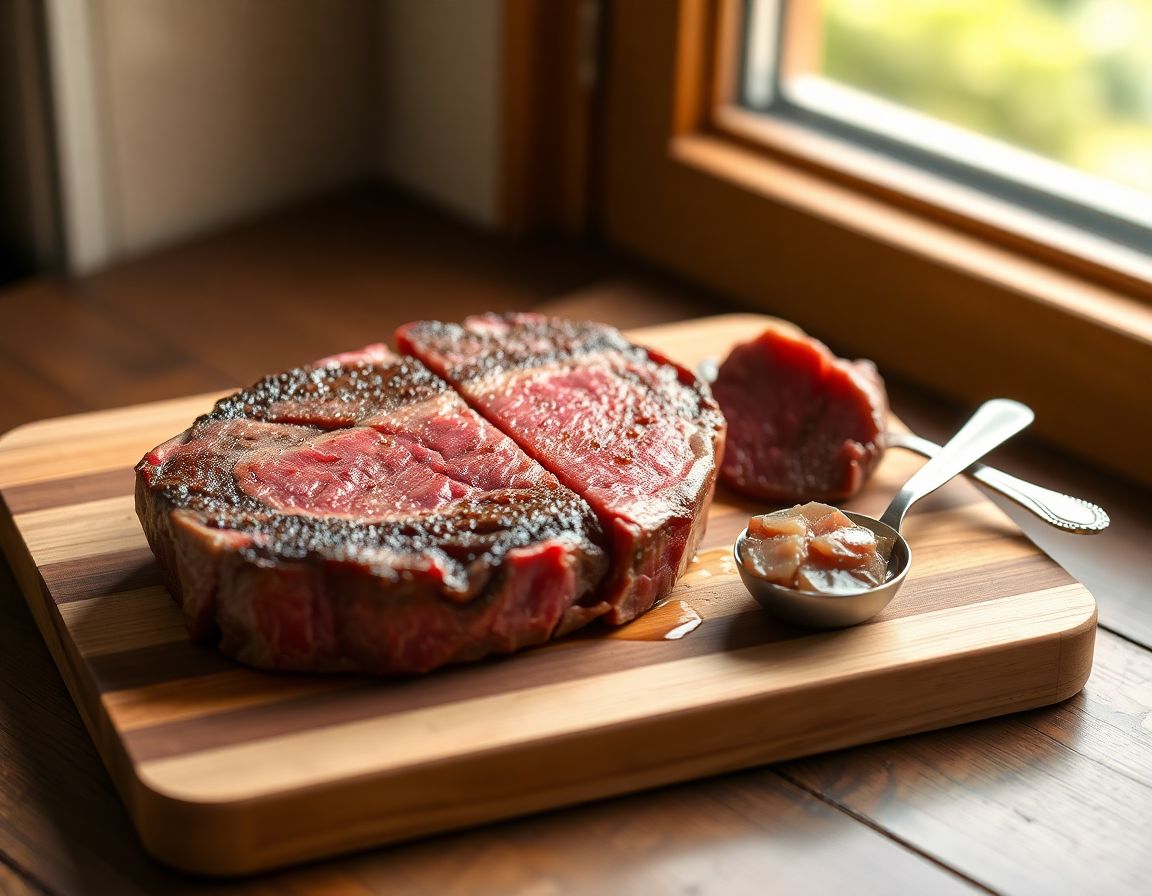
Here's the thing nobody tells you when you go carnivore. Steak, burger, and ribeye cover most of your bases. Protein, fat, B12, zinc, creatine. All there.
But muscle meat has gaps. It's light on a few nutrients that organ meat carries in huge amounts. Vitamin A, copper, folate, and choline top that list. If you eat only muscle for months, those gaps can slowly widen.
That's the whole case for organs. You're not eating them because they're trendy. You're eating them to close specific holes. And you don't need much.
The Minimum Effective Dose Mindset
I coach athletes. When I program anything, I ask one question first. What's the smallest dose that gets the result? More isn't better. Enough is better.
Organ meat works the same way. Liver is so nutrient dense that a small weekly amount does the job. You don't need to choke down a slab every morning. That advice is why most people quit organs entirely.
Think weekly, not daily. You're hitting a weekly target, not a daily chore. That reframe alone makes this sustainable for people who hate the taste.
The Weekly Organ Protocol
Here's the protocol I give people. Simple, testable, and built around a real safety ceiling.
- Liver: 4 to 8 oz per week total. Not per day. Split it into one or two servings. This is your foundation.
- Heart: 4 to 8 oz per week, optional. Heart is basically muscle meat with a big hit of CoQ10. Easy to eat, mild taste.
- Kidney: a few ounces per week, optional. Strong flavor, high in B12 and selenium. Skip it if you can't stand it.
- Bone marrow: optional, as you like. Mostly fat and minerals. Nice for calories and flavor, not a nutrient must-have.
Notice what's doing the heavy lifting. Liver. If you only add one organ, make it liver. Everything else is a bonus round.
Why 4 to 8 oz of Liver, Not More
This is the part people get wrong. Liver is powerful, and powerful things have a ceiling.
Beef liver is loaded with preformed vitamin A, the active kind your body uses directly. A single 4 oz serving can carry several times a full day's worth. It's also very high in copper. Both are nutrients you can overdo.
Too much preformed vitamin A over time can build up and cause problems. Headaches, joint aches, dry skin, and worse at high chronic doses. Copper works the same way. Great in the right amount, a problem in excess.
So the math points to a weekly cap, not a daily habit. Roughly 4 to 8 oz of beef liver per week keeps you in the strong benefit zone without pushing into overload. That range isn't random. It's built around vitamin A and copper density.
The math doesn't lie. One ounce of liver a few times a week beats eight ounces every morning. More liver past a point stops helping and starts stacking risk.
A Special Warning for Pregnant Women
If you're pregnant or trying to be, this matters more, not less. High preformed vitamin A intake during pregnancy carries specific risks to the baby.
This isn't a reason to fear liver. It's a reason to be precise and to loop in your doctor or midwife before setting an amount. Don't freestyle liver dosing while pregnant. Get a professional to sign off on your target.
How to Actually Eat It When You Hate the Taste
Taste is the real barrier. Not nutrition. So here's how I get clients to actually do this.
Hide it in ground beef. Mix a few ounces of finely chopped or grated liver into a pound of ground meat. Cook it as burgers or a skillet. At a small ratio you won't taste it.
Freeze it and eat it raw-ish. Some people cut frozen liver into pill-sized cubes and swallow them like capsules. No chewing, no flavor. Not for everyone, but it works.
Pan-sear it fast and hot. Overcooked liver turns to rubber and tastes like metal. Sear it 60 to 90 seconds a side, keep it pink inside, and salt it well. Different food entirely.
Buy quality. Grass-fed liver from a good source tastes cleaner than cheap commodity liver. Sourcing matters here more than with steak. A solid delivery box like ButcherBox makes it easy to keep organs stocked without a special trip.
Where Heart and Kidney Fit
Heart is my favorite gateway organ. It looks and eats like lean steak. Slice it thin, marinate in salt and a little acid, sear hot. You get CoQ10 and extra B vitamins without the liver funk.
Kidney is more advanced. The taste is strong and the smell is stronger. If you're new, skip it. Come back to it once liver and heart feel routine.
Marrow is the easy one. Roast the bones, scoop the center, spread it on meat or eat it straight. It's mostly fat, so treat it as a calorie and flavor tool, not a nutrient fix.
The Electrolyte Note
Organs won't cover everything. Sodium, potassium, and magnesium still need attention, especially if you train hard. That's a separate protocol from organ dosing.
I run LMNT before training, every session. Non-negotiable for anyone lifting or rolling on a meat-based diet. Organs help with trace minerals like copper and selenium, but they're not your salt strategy.
Your 30-Day Test
Stop overthinking it. Run this for a month and measure.
- Add 4 to 8 oz of liver per week, split into one or two servings.
- Add heart if you want an easy win. Skip kidney and marrow unless you're curious.
- Track energy, recovery, and how you feel. Simple notes, daily.
- On day 30, look at the data and decide if it stays.
That's the whole system. Small weekly dose, hard ceiling on liver, and a taste hack so you actually stick with it. Consistency beats perfection here. A little liver every week for a year buries a giant liver binge you did once and never repeated.
Not a Doctor
I'm not a doctor. I've coached people and competed myself, so I know what works in practice. But I'm not your doctor. If you're pregnant, have a health condition, or take meds, check with someone qualified before setting your organ amounts. Everything here is general guidance based on what works and what research supports. Your mileage may vary.