This post may contain affiliate links. For educational purposes only, not medical advice. Details
Muscle Meat Is a Great Base, Not the Whole Story
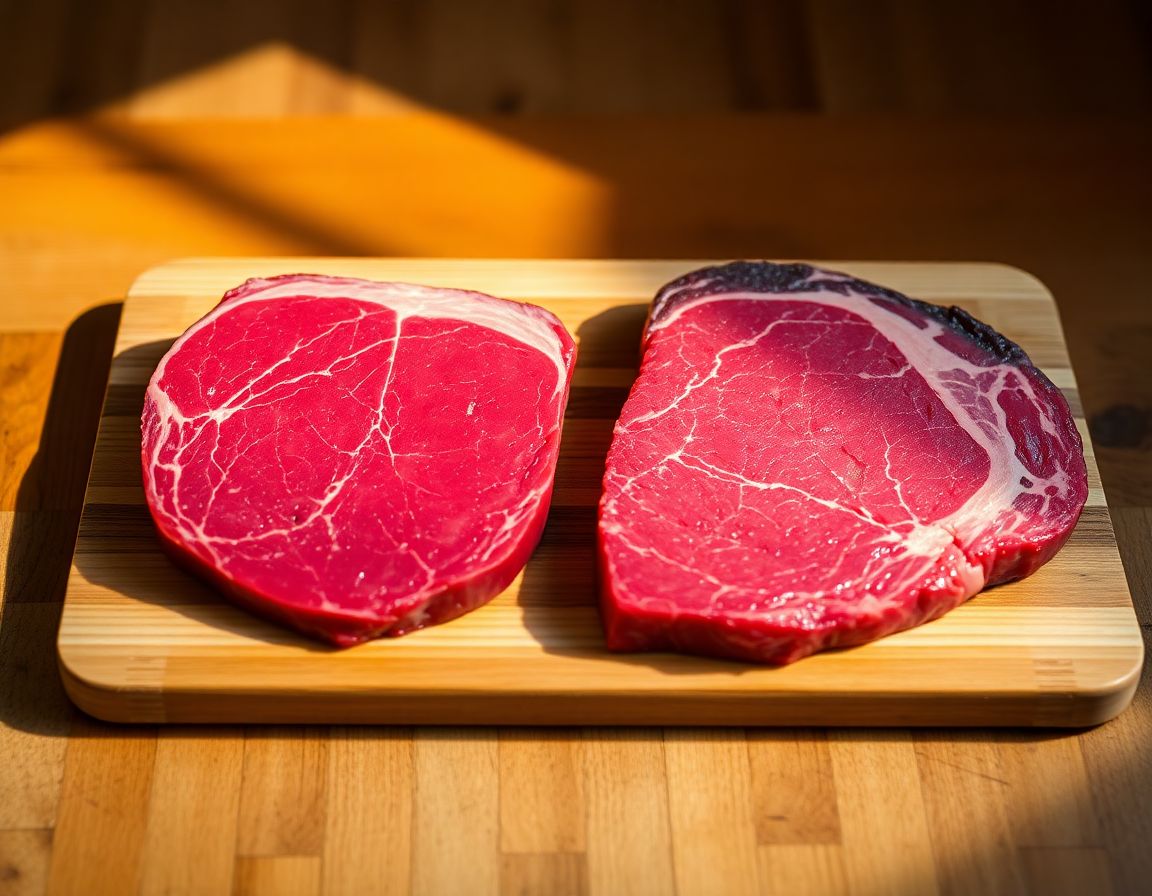
Let me say this up front, because I don't want anyone to panic. A steak is one of the most nutrient-dense foods you can put on a plate. Ribeye, ground beef, chuck roast, these give you high-quality protein, B12, zinc, heme iron, and a good chunk of your daily needs across the board.
But when researchers run muscle-meat-only eating through nutrient-modeling software, a few gaps show up over and over. When I was working through my own carnivore transition years ago, this is the exact thing that surprised me. The fix isn't complicated, and it doesn't mean adding vegetables back. It usually means adding organs.
What the Modeling Actually Flags
When you model a plan built only from muscle cuts against standard reference intakes, the nutrients that most often come up short are a fairly consistent short list.
- Folate. Muscle meat carries very little.
- Calcium. Steak has almost none, since the calcium lives in the bones you're not eating.
- Magnesium. Meat has some, but plans often land at the low end of the range.
- Thiamin (B1). Beef is only a modest source. Pork does better here.
- Vitamin C. Muscle meat has trace amounts, and cooking knocks some of that out.
You'll also see manganese, vitamin E, and vitamin K show up in some models. But the five above are the ones I'd want anyone on a meat-based plan to actually understand, because the biochemistry behind each one is worth knowing.
Why Organs, Especially Liver, Patch Most of the Gaps
Here's the part that made it click for me. The organs of an animal aren't just muscle. They're the storage and processing depots, so they concentrate the exact micronutrients that muscle tissue doesn't hold much of.
Liver is the standout. A small amount, think a few ounces once or twice a week, is one of the richest folate sources in the entire food supply. That single food closes the folate gap almost by itself. Folate matters because it drives methylation, the process your cells use to build DNA and manage homocysteine. Run low and you feel it over time.
Liver also brings a big load of riboflavin, B12, copper, and preformed vitamin A (retinol). Copper is quietly important, because it partners with iron and helps your body build connective tissue and red blood cells. Muscle meat is thin on copper. Liver is loaded with it.
And yes, liver contains real vitamin C, along with fresh and lightly cooked meats generally. It's not orange-juice levels, but it's more than most people assume.
The Two Gaps Organs Don't Fully Close
I want to be honest with you here, because this is where a lot of carnivore content oversells liver as a cure-all. It isn't.
Calcium and magnesium are the two that organs won't rescue. Liver doesn't carry meaningful calcium, and it doesn't dramatically move magnesium either. For calcium, you're looking at bone-in sources, bone broth, eggshell, or dairy if you tolerate it. Sardines with the bones are a favorite of mine.
For magnesium, muscle meat gives you a baseline, but many people on a strict meat plan still run toward the low side, especially early on when you're dumping water and minerals during adaptation. This is the stage where cramps, poor sleep, and that flat feeling show up. LMNT is what I lean on through this phase, since it covers sodium, potassium, and magnesium without sugar.
About Vitamin C, Honestly
You've probably heard the carnivore argument that you need far less vitamin C when carbs are low. There's a real mechanism proposed behind it. Vitamin C and glucose use some of the same cellular transporters, so the thinking goes that less dietary glucose means less competition and a lower requirement.
I find it plausible, and long-term carnivores generally don't develop scurvy, which is telling. But I want to be square with you: this is a hypothesis, not settled science. It hasn't been nailed down with the kind of controlled research that would let me promise you a specific number. So I treat fresh meat and liver as my insurance rather than assuming I need zero.
A Simple, Not Preachy, Approach
You don't need to overhaul anything. Muscle meat stays your base. Organs are the patch.
- Add liver a couple times a week. Start small, since the flavor is strong. If you can't stand it, desiccated liver capsules work.
- Include a bone-in or bone-broth source for calcium, or sardines with bones.
- Keep electrolytes going, especially magnesium, through adaptation and beyond.
- Vary your meats. Pork covers thiamin better than beef. Shellfish and eggs round things out.
Sourcing matters here too, since you're eating these foods for their density. When you're buying organs and quality cuts, it's worth choosing animals raised well. ButcherBox is a grass-fed source I trust that includes organ cuts, and worth the small premium.
That's really it. Steak isn't failing you. It's just doing one job well, and the organs do the rest.
One Important Safety Note
If you're pregnant, do not eat large amounts of liver. Liver is extremely high in preformed vitamin A, and too much retinol during pregnancy is linked to birth defects. This is one case where more is not better. Talk to your provider about safe amounts before adding organ meats.
I'm not a doctor. I've researched this deeply and worked with a lot of people, but I'm not your doctor. If you have health conditions, take medications, are pregnant, or need specific guidance, talk to someone who knows your full medical picture. Everything here is educational, based on nutrient data and what I've seen work. Your situation might be different.