
This post may contain affiliate links. For educational purposes only, not medical advice. Details
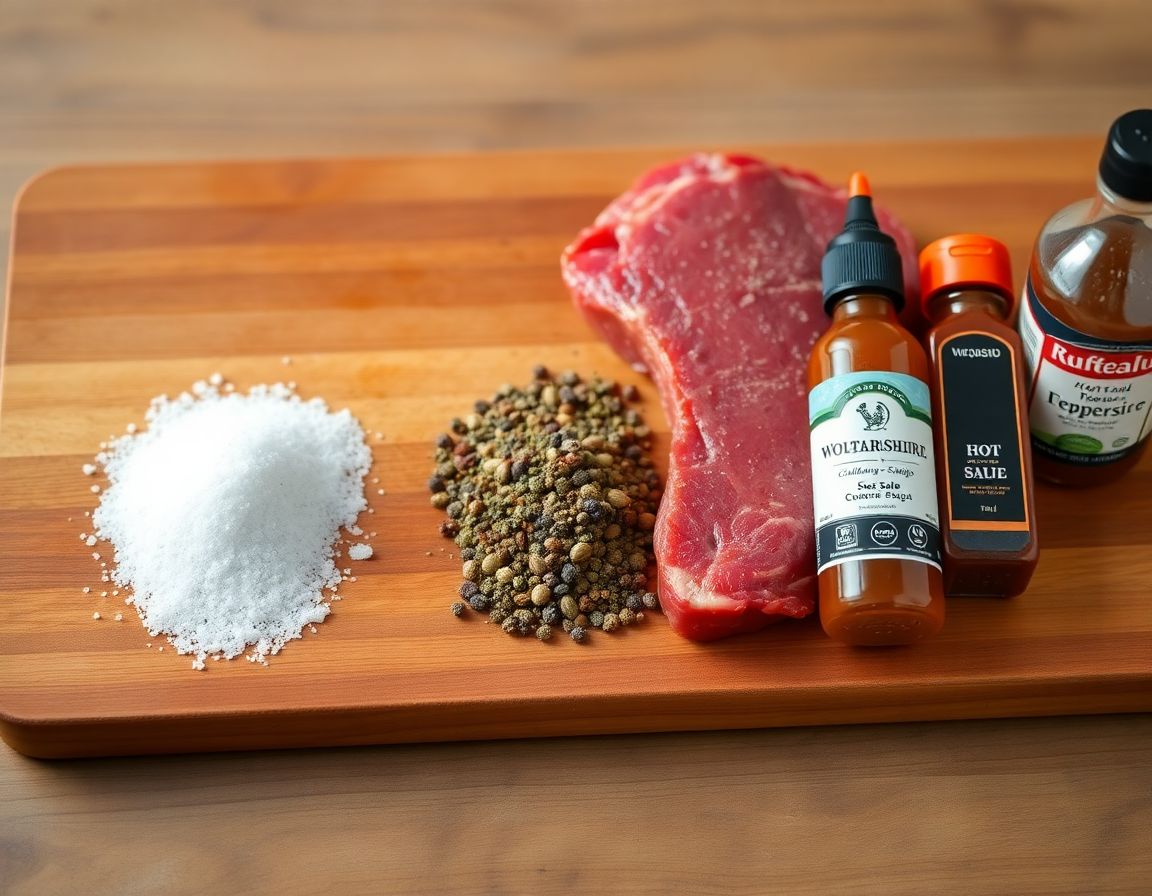
The Seasoning Question Nobody Agrees On
You're six weeks into carnivore. Steaks are great. Ground beef is reliable. But everything tastes the same. You reach for the garlic powder and suddenly wonder if you just "broke" your diet.
Stop overthinking it.
Seasonings and condiments on carnivore aren't a binary pass/fail. They exist on a spectrum. And where you land on that spectrum depends on your goals, your body, and how honest you're willing to be about what's helping versus what's sneaking plant toxins back onto your plate.
Here's the protocol. Three tiers, clear rules, no guessing.
Tier 1: Strict Carnivore (Salt, Fat, Done)
If you're doing a 30 or 90 day elimination protocol, this is your lane. Salt and animal fat. That's the list.
- Salt: Redmond Real Salt or any unrefined mineral salt. Season during cooking, taste, then season again at the table if the food wants it. Which salt you buy is a flavor decision. How much you use stops being a flavor decision if you have high blood pressure, kidney trouble or a heart condition, and that one belongs to your doctor.
- Animal fats: Tallow, lard, butter, ghee. These are your flavor tools. A ribeye cooked in beef tallow doesn't need garlic powder. If you're choosing between rendered fat and butter, both work here.
- Black pepper: Some strict folks include it, others don't. It contains piperine, which increases gut permeability slightly. If you're doing elimination for gut issues, skip it. If your gut is fine, a few cracks won't derail you.
Sodium comes up constantly in the seasoning conversation, because on strict carnivore salt basically is the seasoning. Worth knowing why that changes anything: most of the sodium in a normal diet never comes from a salt shaker. It arrives through bread, deli meat, sauces, soup and packaged food. Cut those and your intake drops sharply whether you planned it or not, which is why the shaker suddenly feels more important than it used to. How much you add back depends on your blood pressure, kidney function, sweat rate and prescription list, and that's why there's no single figure in this article. For the background on why carnivore shifts sodium and fluid balance in the first place, that one's worth reading.
Who should stay in Tier 1: People doing elimination protocols. People with autoimmune issues trying to identify triggers. Anyone in their first 30 days who wants clean baseline data.
Tier 2: Moderate (Herbs, Spices, Simple Condiments)
This is where most long-term carnivore eaters land. You've done your elimination. You know your triggers. Now you're adding back minimal plant-based seasonings that don't contain sugar, seed oils, or fillers.
- Dried herbs: Rosemary, thyme, oregano, parsley. These are low-toxin plants with negligible carbs. A teaspoon of rosemary on a lamb chop isn't going to spike your insulin.
- Single-ingredient spices: Garlic powder, onion powder, cumin, paprika, cayenne. Read the label. If it says "garlic powder" and nothing else, you're fine. If it lists maltodextrin, silicon dioxide, or "natural flavors," put it back.
- Mustard: Plain yellow or Dijon. Most mustards are just mustard seed, vinegar, salt, and turmeric. Check for added sugar. French's yellow mustard has zero sugar. Many Dijon brands sneak it in.
- Apple cider vinegar: Useful for digestion. Negligible carbs. Some people use it as a marinade base.
The key rule for Tier 2 is simple. Read every label, every time. Spice blends are where people get burned. That "steak seasoning" from the grocery store probably contains sugar, soybean oil, and cornstarch. Buy single-ingredient spices and mix your own.
Here's a dead simple carnivore rub that covers 90% of your cooking:
- 2 parts salt
- 1 part garlic powder
- 1 part onion powder
- Half part black pepper
- Quarter part cayenne (optional)
Mix it. Store it. Use it on everything. Takes 30 seconds.
Who should stay in Tier 2: People past their initial elimination who tolerate herbs and spices without symptoms. Long-term carnivore eaters who want variety without compromise.
Tier 3: Liberal (Sauces, Fermented, Condiments)
This tier is where the purist versus pragmatist debate gets loud. Some carnivore folks will tell you hot sauce is a gateway drug back to the Standard American Diet. Others have been using it for years with zero issues.
The protocol here is about honest self-assessment.
- Hot sauce: Frank's, Tabasco, Cholula. Most are just peppers, vinegar, and salt. Zero or near-zero calories. The concern isn't metabolic. It's behavioral. If hot sauce makes you want wings and beer, that's your answer.
- Mayo: Only if it's made with avocado oil or olive oil. Primal Kitchen is the most common recommendation. Standard mayo is soybean oil with a label. That's a hard no.
- Fermented condiments: Sauerkraut juice, kimchi juice (not the vegetables), fish sauce. These can support gut health. Fish sauce is basically liquid umami with zero carbs. Red Boat brand is clean.
- Cheese: Technically an animal product, but it's a common stall culprit. Hard aged cheeses like parmesan have less lactose. Soft cheeses can cause inflammation in sensitive people. If fat loss is your goal, track your response carefully.
- Heavy cream: Same story as cheese. Some people do great. Others stall immediately. Test it for two weeks and measure.
Who should stay in Tier 3: People at maintenance weight who tolerate dairy. Long-term carnivore eaters who've proven these additions don't trigger cravings or symptoms.
What Actually Stalls Progress
Let's be specific about what to avoid regardless of your tier.
- Ketchup: It's tomato-flavored sugar. Even "no sugar added" versions use sweeteners that spike insulin in some people. Skip it.
- BBQ sauce: Same problem, worse. Most BBQ sauces have 8 to 12 grams of sugar per tablespoon. That's candy.
- Soy sauce: Contains wheat. If you want that umami flavor, use coconut aminos or fish sauce instead.
- Seed oil-based dressings: Ranch, Caesar, Italian. Nearly all commercial dressings are built on soybean or canola oil. Making your own with olive oil takes five minutes.
- Anything with "natural flavors": This is the food industry's catch-all term for "we're not telling you what's in here." If a label says natural flavors, assume the worst.
Sodium, Potassium and Magnesium: What Seasoning Actually Covers
Here's where performance matters. Your body needs electrolytes whether you season your food or not. But how you season changes how much you're getting, and the label on the jar is where most of the confusion lives.
Sodium. Salt to taste and pay attention to how you feel. There's no milligram target in this article, because the right one swings hard between two readers of the same size. What you can do is read a label properly, since that's where sodium actually hides:
- Nutrition panels list sodium, not salt. They're different numbers and salt is the bigger one, so don't compare a panel figure to a teaspoon measurement and think you've learned something.
- Find the serving size before you look at the sodium figure. A "serving" of seasoning blend is often a quarter teaspoon, which is nobody's idea of how you season a steak.
- Broth and stock cartons vary wildly between brands. If broth is part of your routine, compare two labels once and pick your lane.
- "Lite salt," "low sodium salt" and "salt substitute" are mostly potassium chloride, not salt. Read the next section before one of those goes in your cart.
Potassium. Meat carries more of this than people expect. Beef is a real source of it, and leaner cuts carry more than fattier ones. The number also moves depending on whether the meat is weighed raw or cooked, so there's no single figure worth quoting here. Treat that as a description of what's in your food, not a target you're meant to hit. Food is the sane way to get potassium. Potassium supplements are a completely different animal. If you take an ACE inhibitor, an ARB, spironolactone or another potassium-sparing drug, or your kidney function is reduced, potassium pills and salt substitutes like Lite Salt can push your blood levels somewhere genuinely dangerous. Clear any potassium supplement with your doctor before it goes anywhere near your kitchen.
Magnesium. Meat gives you less of this than it does potassium, which is why magnesium comes up so often in carnivore circles. It's also cleared by your kidneys and it interacts with a long list of medications. If you're thinking about a supplement, ask your pharmacist. Two-minute conversation, they do it for free, and they can see everything else you're taking.
The seasoning habits that actually help:
- Salt during cooking and again at the table. Better flavor for the same amount of salt, and you'll notice sooner when a piece of meat genuinely doesn't need more.
- Buy single-ingredient spices and build your own blends. Commercial blends bury sodium, sugar and anti-caking agents behind a serving size you'd never use.
- Keep broth in the fridge. It's the easiest food-first electrolyte source on carnivore, and it costs nothing if you're already roasting bones.
- Change one thing at a time and track your own response. Two weeks, one variable, a note on how you slept, trained and felt. That's data about you rather than about a study population.
The short version: build your electrolytes out of food first. Meat, salt to taste, water, broth. The moment supplements enter the picture, or there's a blood pressure, kidney or heart diagnosis in your chart, a clinician sets the numbers instead of an article.
Pick Your Tier and Own It
The seasonings debate will never end because there's no single right answer. A person healing from Crohn's disease needs Tier 1 discipline. A person who's been carnivore for three years and feels great with hot sauce on their eggs doesn't need to feel guilty about it.
Here's what matters. Be honest about your goals. Read every label. Track your response to anything new. If something stalls your progress or brings back cravings, drop it. If it makes your food better and changes nothing about how you feel, keep it.
Protocol beats perfection. Consistency beats purity. Find your tier, commit to it for 30 days, and let the data tell you what works.
Not a doctor. I've coached people and competed myself, so I know what works in practice. But I'm not your doctor. You'll notice there's no universal salt or electrolyte number in this article, and that's deliberate. If you have high blood pressure, kidney disease or a heart condition, or you take a diuretic, an ACE inhibitor, an ARB or spironolactone, your targets have to come from the person who can see your bloodwork. New swelling, breathlessness, a racing heart or a blood pressure reading that jumps needs a doctor, not a bigger scoop of salt. Your mileage may vary.