This post may contain affiliate links. For educational purposes only, not medical advice. Details
When Beef Makes You Feel Terrible (And It's Not What You Think)
You started carnivore expecting more energy, clearer skin, and better digestion. Instead you got headaches, flushing, a racing heart, and a gut that feels worse than before. You're eating "clean" beef and nothing else. So what's going on?
Here's what I've seen work its way through dozens of people I've coached: it's not the beef. It's not carnivore. It's histamine. And once you understand that distinction, everything changes.
What Histamine Intolerance Actually Is
Histamine is a chemical your body makes naturally. It helps regulate your immune response, stomach acid, and even your sleep-wake cycle. You also get histamine from food. Normally your body breaks it down with an enzyme called diamine oxidase (DAO), and everything stays balanced.
Histamine intolerance happens when your body can't break down histamine fast enough. The bucket overflows. That overflow looks like headaches, skin flushing, hives, nasal congestion, rapid heartbeat, anxiety, digestive distress, or all of the above. The research shows that roughly 1-3% of the population deals with clinically significant histamine intolerance, though subclinical cases are likely much more common.
The tricky part? These symptoms overlap with what people call "adaptation issues." If you're in your first 30 days of carnivore and feeling rough, it's easy to blame the diet itself when histamine might be the real culprit.
Why Beef Is a Histamine Minefield
Not all meat is created equal when it comes to histamine. Histamine levels in food rise with time, temperature, and bacterial activity. That means how your meat was handled matters more than what animal it came from.
Ground beef is one of the worst offenders. Grinding exposes more surface area to bacteria, which accelerates histamine production. That tube of ground beef that's been sitting in the grocery store display for two days? It's a histamine bomb compared to a fresh-cut steak.
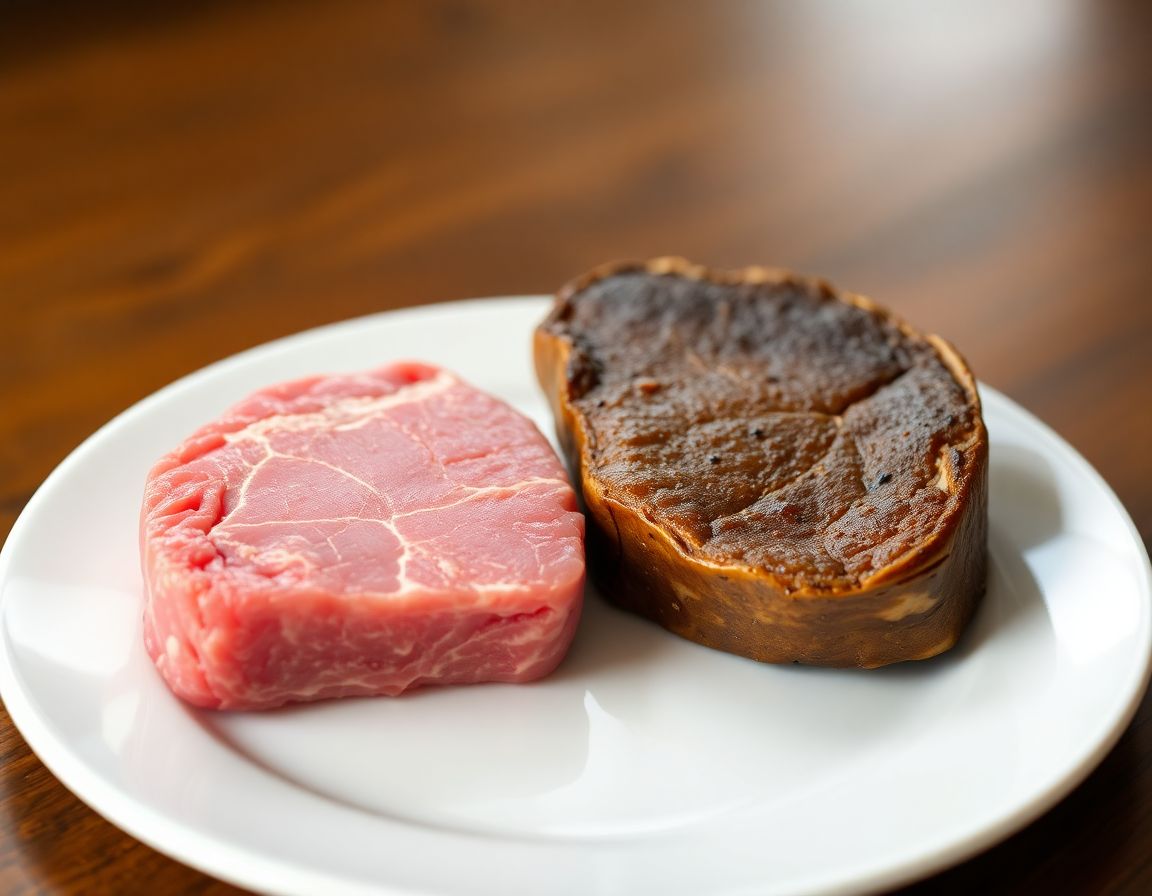
Aged and dry-aged steaks are another problem. That 30-day dry-aged ribeye that tastes incredible? The aging process that develops those flavors also builds histamine. Slow-cooked roasts and leftover meat follow the same pattern. Every hour your cooked beef sits in the fridge, histamine levels climb.
Here's what most people starting carnivore actually eat: ground beef (it's cheap), pre-packaged steaks (convenience), and leftovers from batch cooking (meal prep). That's essentially a high-histamine protocol disguised as a clean diet.
The DAO Enzyme Connection
Your body's main defense against dietary histamine is DAO, the enzyme produced in your gut lining. Some people genetically produce less DAO. Others have gut damage from years of inflammatory eating that impairs DAO production. Certain nutrient deficiencies, particularly copper, vitamin C, and B6, can also reduce DAO activity.
This is why some people transition to carnivore smoothly while others hit a wall. If your DAO capacity is already low and you're eating high-histamine beef three times a day, you're flooding a system that can't keep up.
The good news? DAO production often improves as gut health improves on carnivore. The bad news? You might need to manage histamine intake while your gut heals, which could take weeks or months.
Low-Histamine Meat Options That Still Work
You don't have to quit carnivore. You need to be strategic about your protein sources.
- Fresh-cut steaks eaten the same day. Buy from the butcher counter, not the pre-packaged display. Cook and eat immediately. Freshness is everything.
- Lamb. Generally lower in histamine than beef, especially fresh cuts. Lamb chops and ground lamb bought same-day are solid options.
- Poultry. Fresh chicken and turkey are among the lowest-histamine meats available. Chicken thighs cooked fresh are a reliable baseline food for testing.
- Flash-frozen meat. Freezing halts histamine production. Meat that was frozen immediately after processing is often lower in histamine than "fresh" meat that spent days in transit and display.
- Fresh fish (with caution). Wild-caught salmon and cod that were frozen at sea can work well. Avoid canned fish, smoked fish, and anything that's been sitting on ice at the fish counter.
When it comes to cooking fats, fresh-rendered tallow from a trusted source is generally fine for histamine-sensitive people. The recent surge in tallow popularity means more options are available, but check that your source uses fresh fat trimmings rather than aged scraps.
A Practical Testing Protocol
If you suspect histamine intolerance, here's a straightforward approach I've seen work consistently.
Week 1-2: Drop to low-histamine baseline. Eat only fresh chicken, fresh lamb, and flash-frozen meat. Cook single servings (no leftovers). Use fresh butter or coconut oil for cooking. Keep a simple symptom journal. Rate your headaches, flushing, digestion, and energy on a 1-10 scale daily.
Week 3: Reintroduce fresh beef. Buy a steak from the butcher counter. Cook and eat it within hours of purchase. Note any symptom changes over the next 12-24 hours. If you feel fine, fresh beef stays in your rotation.
Week 4: Test ground beef. Same process. If symptoms return, you've identified a trigger. Ground beef may need to stay out of your rotation for now, or you can try grinding your own from fresh cuts right before cooking.
Going forward: Slowly test other variables. Leftovers (try freezing portions immediately after cooking instead of refrigerating). Aged steaks. Slow-cooked roasts. You'll build a personal map of what your body can handle.
When to Suspect Something Beyond Histamine
Histamine intolerance isn't the only reason someone might react badly to beef. If you've followed a low-histamine protocol for 3-4 weeks and symptoms haven't improved, consider other possibilities. Alpha-gal syndrome (a tick-bite-induced meat allergy) causes reactions to mammalian meat specifically. Oxalate dumping from previous high-plant diets can cause similar symptoms during transition. And some people simply need more time for their body to adjust, with symptoms resolving over months rather than weeks.
Your situation might be different from what I've described here. The patterns I've outlined cover the majority of cases I've worked with, but bodies are complex and individual responses vary. If symptoms are severe or persistent, working with a practitioner who understands both carnivore and histamine issues is worth the investment.
The Bottom Line
Feeling worse on carnivore doesn't mean carnivore is wrong for you. It often means your food choices within carnivore need adjusting. Histamine intolerance is one of the most common and most overlooked reasons people struggle, especially in the first few months.
Fresh meat, cooked and eaten immediately, is a different food than aged, ground, or leftover meat from a histamine perspective. Once you understand that, you can stop blaming the diet and start solving the actual problem.
I'm not a doctor. I've researched this deeply and worked with many people, but I'm not your doctor. If you have health conditions, take medications, or need specific guidance, talk to someone who knows your full medical picture. Everything I write is educational based on research and what I've seen work. Your situation might be different.