
This post may contain affiliate links. For educational purposes only, not medical advice. Details
What Beef Tallow Actually Does (And Why It's Trending)
Your grandmother cooked with it. Your great-grandmother used it on her skin. Then for about 50 years, we were told it would kill us. Now it's showing up in TikTok skincare routines, artisan cooking shops, and health food stores at $15 a jar.
Beef tallow is having a moment. But unlike most health trends, this one actually has substance behind it. Let me walk you through what tallow does in your body, why it's better than the alternatives, and whether that skincare trend holds up.
What's Actually in Tallow
Beef tallow is rendered fat from cattle, usually from the suet (the hard fat around the kidneys). Its fatty acid profile is what makes it interesting:
- Stearic acid (18-25%): A saturated fat that your body efficiently converts to oleic acid, the same monounsaturated fat that olive oil is famous for. Research shows stearic acid is neutral to beneficial for cardiovascular markers. It doesn't raise LDL in the way other saturated fats can, and it may actually improve mitochondrial function.
- Oleic acid (35-45%): Yes, tallow is nearly half monounsaturated fat. Most people don't know this. It's the same type of fat in olive oil and avocados.
- Palmitic acid (20-25%): Another saturated fat that provides structural support for cell membranes.
- Fat-soluble vitamins: Tallow from grass-fed cattle contains meaningful amounts of vitamins A, D, E, and K2. These are the vitamins most people are deficient in, and they require fat for absorption, which tallow conveniently provides.
The ratio matters. Tallow is roughly 50% saturated, 42% monounsaturated, and about 4% polyunsaturated. That low polyunsaturated content is a big deal, and here's why.
The Seed Oil Comparison
The reason tallow fell out of favor in the 1960s and 70s is the same reason seed oils rose: the flawed hypothesis that saturated fat causes heart disease. We replaced stable, traditional fats with canola oil, soybean oil, corn oil, and sunflower oil.
Those seed oils are 30-70% polyunsaturated fatty acids (PUFAs), mostly linoleic acid (omega-6). Here's the problem with cooking in them: PUFAs are chemically unstable. They oxidize easily when exposed to heat, light, or air. When you fry food in canola oil, you're creating aldehydes, lipid peroxides, and other oxidation byproducts that promote inflammation at the cellular level.
Tallow's high saturated fat content makes it extremely heat-stable. Its smoke point is around 400 degrees F (205 degrees C), and it doesn't break down into harmful compounds the way seed oils do. You can fry, roast, and sear with it without worrying about oxidation.
This isn't fringe science anymore. A 2020 study in the journal Food Chemistry showed that repeatedly heated vegetable oils produced significantly more toxic aldehydes than animal fats at the same temperatures. Your grandmother wasn't wrong. She just didn't have a peer-reviewed citation.
The Skincare Trend
Here's where things get interesting. People are using tallow as moisturizer, lip balm, and even diaper cream. It sounds like a joke, but the logic is solid.
Human sebum (the oil your skin naturally produces) is made up of roughly 25% palmitic acid, along with oleic acid and stearic acid. Tallow's fatty acid profile is remarkably similar. When you apply tallow to your skin, you're essentially giving it the same types of fat it produces on its own. Your skin recognizes these fats and absorbs them readily.
Compare that to most commercial moisturizers, which contain synthetic emollients, mineral oils, fragrances, and preservatives that sit on top of the skin rather than integrating with it. Many people report that after switching to tallow, their skin actually produces less oil because it's no longer overcompensating for dryness.
The fat-soluble vitamins in tallow (particularly vitamins A and E) also support skin repair and protection. Vitamin A promotes cell turnover. Vitamin E acts as an antioxidant. You're getting nutrients delivered directly to your skin in a bioavailable form.
I started using a simple tallow balm on my hands and face during Whistler winters a couple years ago. The difference was noticeable within a week. My skin stopped feeling tight after washing, and I haven't bought a commercial moisturizer since.
A fair warning though: pure rendered tallow has a subtle beefy smell. Most tallow skincare products add essential oils like lavender to mask it. If you're making your own, a few drops of essential oil in the whipped tallow solves the smell issue.
How to Cook With It
If you've never cooked with tallow, start here:
- Eggs: Use about a tablespoon of tallow in a cast iron pan. Your eggs won't stick and they'll taste richer than anything you've made with butter.
- Searing steaks: Tallow has a higher smoke point than butter, so it's better for getting that hard sear without burning. Get the pan ripping hot, add tallow, sear 2-3 minutes per side.
- Roasting vegetables (if you eat them): Toss in melted tallow instead of olive oil. The flavor is deeper and the browning is more even.
- Burger smash: A small spoonful of tallow on the griddle before smashing your burger patty creates the best crust you'll ever taste. This is basically what the old-school burger joints did before they switched to seed oils.
Tallow is solid at room temperature and keeps for months in the fridge or weeks on the counter. It doesn't go rancid quickly because of that low PUFA content.
Rendering Your Own vs. Buying
You can buy tallow from brands like Epic, Fatworks, or local farms for $10-20 per jar. That's the easy route and there's nothing wrong with it.
But rendering your own is simple and much cheaper. Ask your butcher for beef suet (the kidney fat). It's usually $2-4 per pound, and sometimes free if you ask nicely. Here's the process:
- Cut the suet into small chunks or grind it
- Put it in a slow cooker on low for 6-8 hours (or a pot on the stove at the lowest setting)
- Strain through cheesecloth into mason jars
- Let it cool and solidify at room temperature
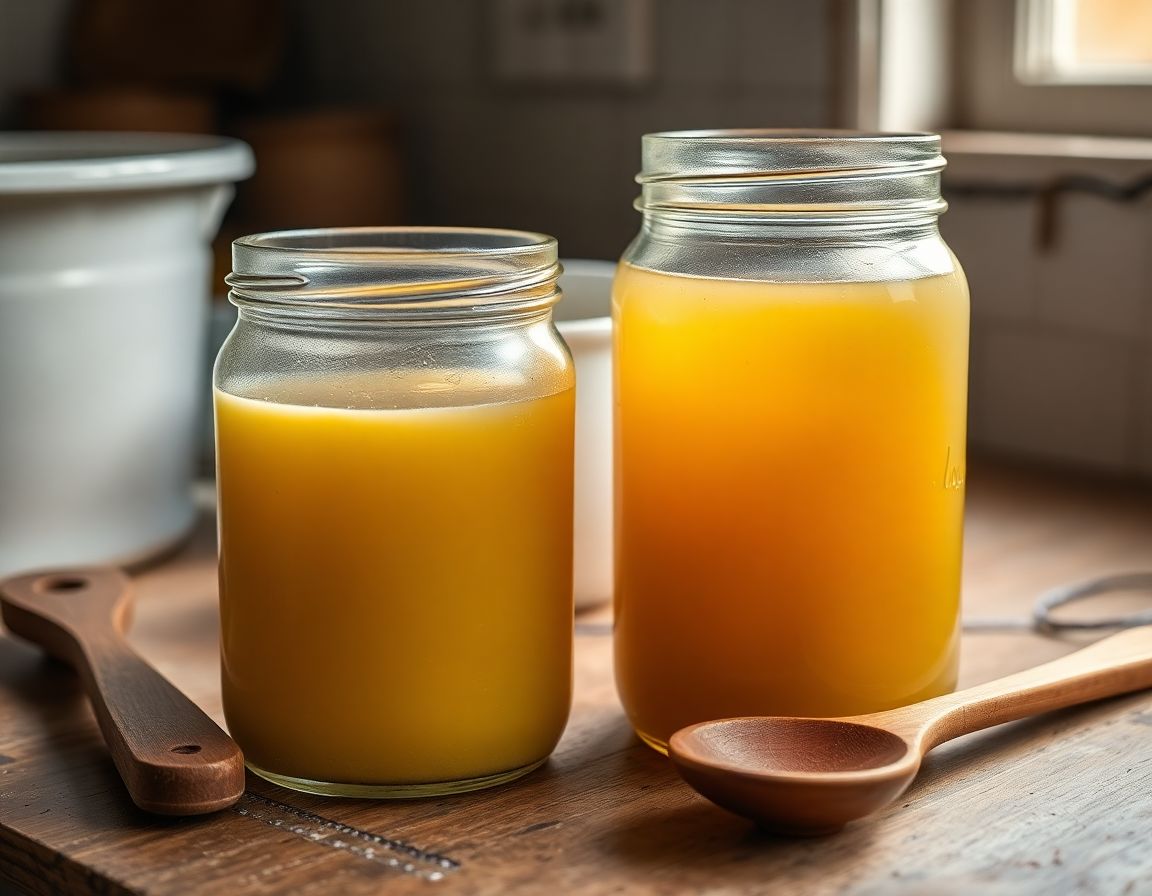
One pound of suet yields about 1.5-2 cups of rendered tallow. It'll be pure white when solid and a clear golden liquid when melted. If it has a strong smell, you can do a second render: melt it again with a cup of water, let it cool, and the water will pull out any remaining impurities.
This Isn't a Fad
Tallow was the default cooking fat for thousands of years. Humans used animal fat for cooking, for skincare, for soap, for candles. It was only in the last 60 years that we replaced it with industrially processed seed oils because of a dietary hypothesis that turned out to be wrong.
What we're seeing now isn't a trend. It's a correction. People are going back to what worked before the food industry told us to stop. Your grandmother's kitchen wasn't trying to be trendy. She just knew what worked.
Whether you use tallow for cooking, skincare, or both, you're choosing a fat that your body actually recognizes and can use. In a world full of synthetic alternatives, that's worth something.
I'm not a doctor. I've researched this deeply and worked with many people, but I'm not your doctor. If you have health conditions, take medications, or need specific guidance, talk to someone who knows your full medical picture. Everything I write is educational based on research and what I've seen work. Your situation might be different.