This post may contain affiliate links. For educational purposes only, not medical advice. Details
The Text That Started This Post
My friend Jess texted me on a Tuesday. "Mike is going keto. Or carnivore? I don't know. He watched a podcast and now he wants to eat only meat. What do I get him?"
I laughed out loud. Not because it was funny, but because I've gotten some version of this text at least a dozen times. Someone's partner, parent, sibling, or friend announces they're changing how they eat, and the people around them have no idea how to be supportive in a practical way. They want to help. They just don't know what help looks like.
Jess didn't need me to explain the metabolic science behind ketosis. She needed gift ideas that wouldn't be weird or pushy. Something that said, "I support you" without saying, "I've researched your diet more than you have."
The Problem with Most Diet Gifts
When someone starts a new way of eating, the people around them usually do one of two things. They either ignore it completely, or they go overboard. They buy a cookbook the person will never open. They order supplements they found on Amazon with no context. They get a novelty t-shirt that says "I'd Rather Be Eating Bacon" and call it a day.
None of that is actually helpful during the first 30 days, which is the period when someone is most likely to quit. What beginners need during that window is clarity. Simplicity. Tools that reduce the mental load of figuring out a new way to eat while also dealing with the digestive transition and the social pressure of eating differently from everyone around them.
The most practical gifts I've seen work aren't expensive or flashy. They're the things that remove one more decision from someone's day.
What Actually Helps (From What I've Seen)
After years of coaching people through dietary transitions, here's what I'd actually recommend if you're trying to support someone who just started.
A clear food reference. This sounds too simple to matter, but it matters enormously. The number one source of anxiety for beginners isn't cravings or hunger. It's uncertainty. "Can I eat this?" is the question that creates decision fatigue at every meal. Anything that answers that question quickly, a printed food list on the fridge, a laminated card they can take to the grocery store, saves mental energy for the harder parts of the transition.
Quality salt. Redmond Real Salt, Celtic sea salt, or any unprocessed mineral salt. When you cut carbs, your kidneys excrete sodium aggressively. Most beginners don't realize they need to dramatically increase their salt intake, and the headaches and cramps that result are the number one reason people quit in the first two weeks. A bag of good salt costs $8 and might be the difference between someone sticking with it or not.
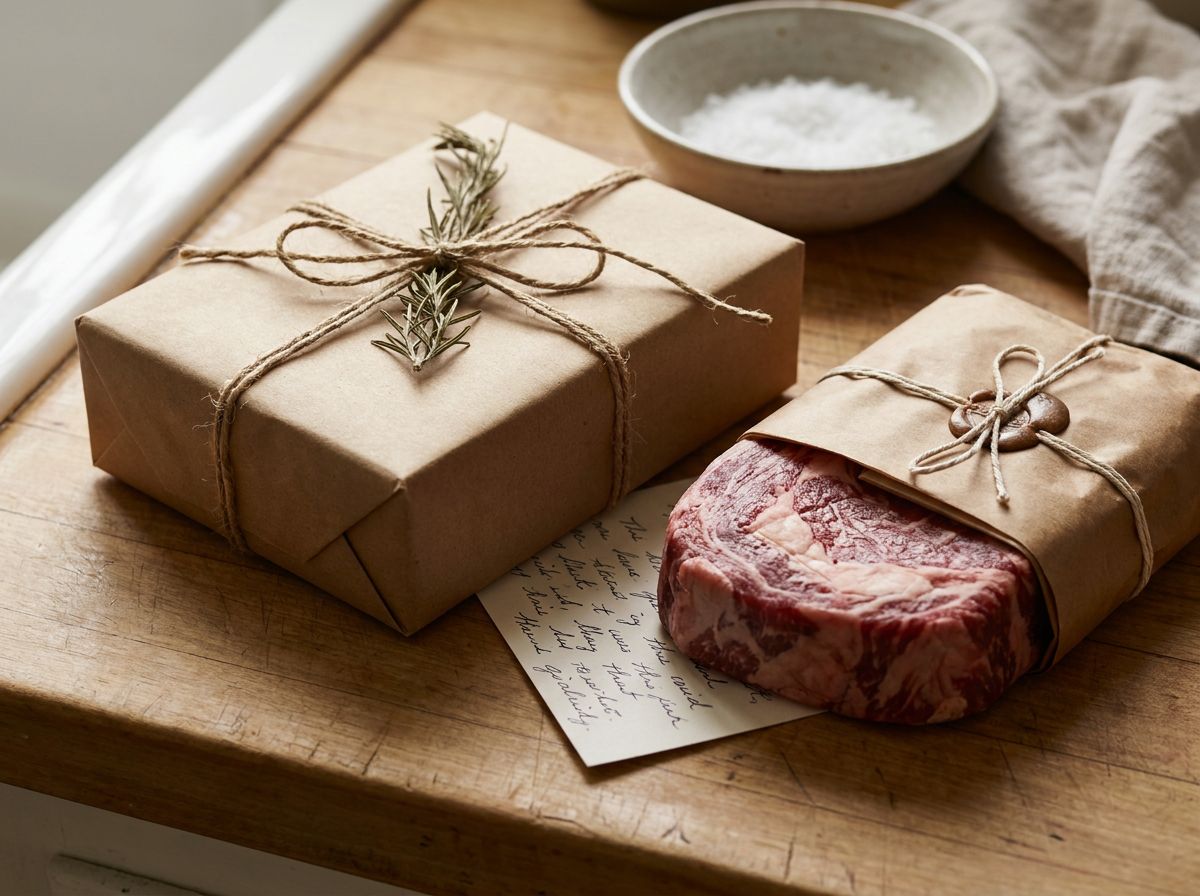
A meat gift card or butcher box subscription. Practical and impossible to get wrong. Let them pick their own cuts. A $50 gift card to a local butcher says, "I believe you're going to stick with this" in a way that nothing else does.
Electrolyte packets. LMNT, Redmond Re-Lyte, or similar products designed for low-carb eating. Not Gatorade. Not Pedialyte. Something formulated with high sodium and no sugar. This pairs with the salt recommendation but is more convenient for people who are on the go.
A cast iron skillet. If they don't already have one. You can cook a perfect steak in cast iron with just butter and salt. It's the one piece of cookware that makes this diet feel less like deprivation and more like an upgrade. Lodge makes a solid 12-inch for about $30.
What to Skip
A few things that seem helpful but usually aren't:
- Diet books they didn't ask for. When someone is in the first week, they need less information, not more. A 300-page book about metabolic theory is going to sit on the nightstand unopened.
- Supplements they didn't request. Unless you know their specific situation, random supplement bottles feel presumptuous. Electrolytes are the exception because nearly everyone needs them.
- "Funny" diet merchandise. Novelty mugs and t-shirts send the message that you think their diet is a joke, even if that's not what you mean. When someone is three days in and their family already thinks they're crazy, they don't need their gift reinforcing that energy.
- Unsolicited advice disguised as a gift. Buying someone a book called "Why Carnivore Is Dangerous" because you're worried about them isn't a gift. It's an intervention. If you have concerns, have a real conversation. Don't passive-aggressive your way through it via Amazon Prime.
The Father's Day Angle (Since We're Almost There)
Father's Day is coming up, and I mention this because the overlap is surprisingly strong. A lot of men in their 40s and 50s are trying carnivore or keto right now. They watched a Joe Rogan episode, or their doctor told them their blood sugar was creeping up, or they just hit a point where they're tired of feeling tired.
If your dad, husband, or partner just started eating this way, a thoughtful practical gift beats another tie by a mile. A butcher gift card. Good salt. A cast iron pan. Maybe a simple reference card so they stop texting you "is pork carnivore?" at the grocery store.
The point isn't to buy your way into their diet. It's to show that you noticed they're trying something, and you're making it 5% easier. That matters more than people think, especially when the people around them aren't always supportive.
What I Told Jess
I sent Jess a short list. Good salt, electrolyte packets, and a printed food reference she could put on the fridge for Mike. She said, "That's it?" I said, "That's it. If he sticks with it past two weeks, get him a nice ribeye and tell him you're proud of him."
She did. He stuck with it. Last I heard, he's seven weeks in and his energy is the best it's been in years. Sometimes the best support is the simplest kind.
If you want that kind of grab-and-go reference, I actually put together a bundle of printable food list cards for different eating styles. Carnivore, keto, lion diet, and pescatarian, all in one set. Some people find it useful as a starter gift for someone who's still figuring out which version of low-carb works for them. It's in my Etsy shop if you're looking for something small and practical.
But honestly, the best gift is just showing up. Asking how it's going. Not making a face when they order a plain burger with no bun. Being the person who makes their new thing feel a little less lonely.
I'm not a doctor. I've researched this deeply and worked with many people, but I'm not your doctor. If you have health conditions, take medications, or need specific guidance, talk to someone who knows your full medical picture. Everything I write is educational based on research and what I've seen work. Your situation might be different.