
This post may contain affiliate links. For educational purposes only, not medical advice. Details
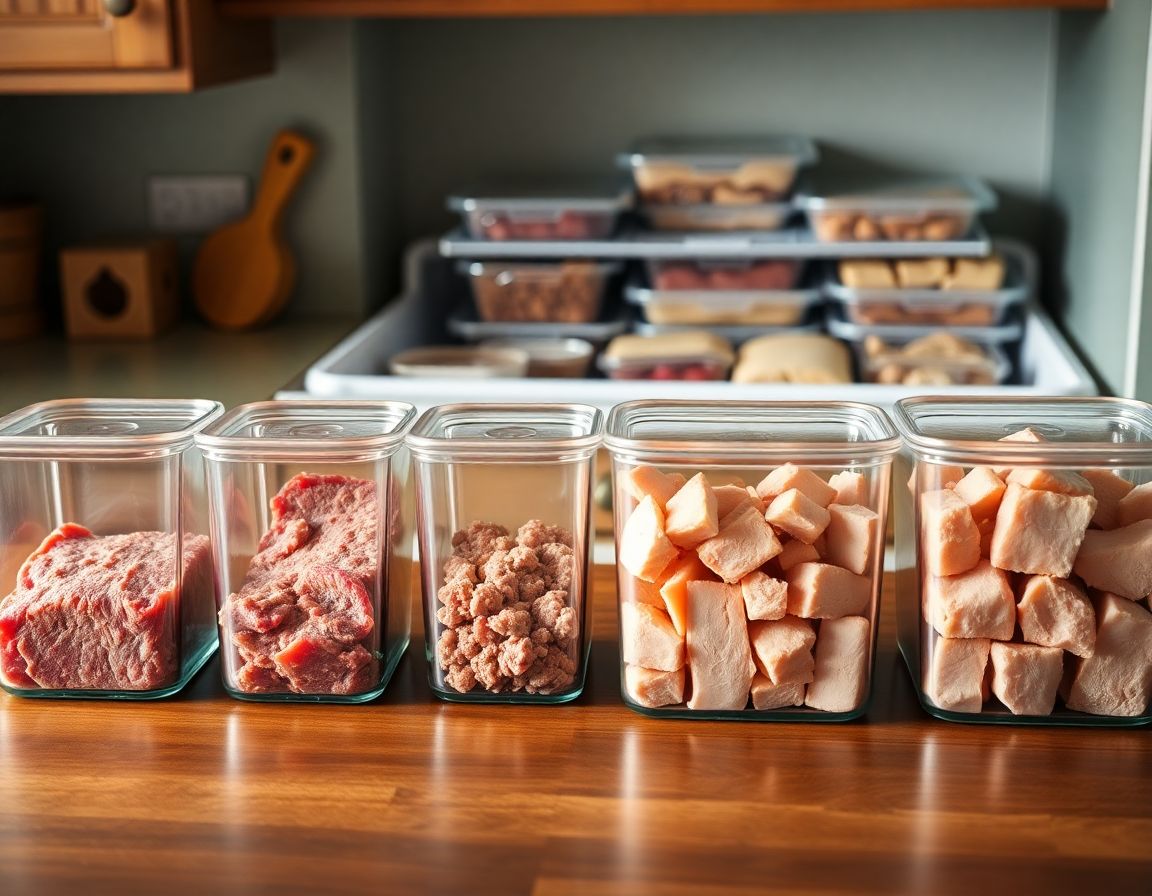
Okay so here's the short answer to cooking carnivore for one: stop cooking every night. Cook two or three times a week in bigger batches, portion everything into single servings before it goes in the freezer, and build a short rotation so you're not staring at the same ground beef patty for the fifth day in a row.
That's the whole system. Batch, portion, rotate. The reason cooking for one feels so hard on this diet isn't that meat is complicated. It's that grocery stores sell meat in family sizes, recipes assume four people at the table, and cooking a real dinner for yourself every single night wears you down fast. Once you shift from "what am I making tonight" to "what did I already make," the whole thing gets easier.
The real problem isn't cooking. It's repetition.
Real talk: most people who quit carnivore don't quit because the food stopped working. They quit because they got bored, and boredom on a restricted diet feels like failure. It isn't. It's just a menu problem.
When you're cooking for one, the trap is buying the same thing every week because you know it won't go to waste. Ground beef, ground beef, ground beef. It's cheap, it's fast, it freezes well. And then one Tuesday you open the fridge and genuinely can't do it again.
The fix is variety in the freezer, not variety at the store. You're not shopping for more things. You're preparing the same amount of meat in more forms.
Start with the freezer, not the store
Your freezer is the single biggest advantage you have as a solo cook. It turns one exhausting cooking session into eight easy dinners.
Here's the technique that actually matters, and it's not complicated:
- Portion before you freeze, never after. A frozen three-pound block is useless. Eight individually wrapped portions are dinner.
- Freeze flat. Press ground beef into a thin, flat layer in a freezer bag and squeeze the air out. Flat packs thaw in about 30 minutes in cold water. A thick lump takes all afternoon.
- Parchment between patties. Form patties, stack them with squares of parchment paper in between, then bag them. You can pull one out without a chisel.
- Label with a marker. Cut and date. Everything looks the same after two weeks under frost. Most meat holds good quality for about three months, and ground meat is closer to two.
If you do nothing else from this whole post, do the flat-pack and the parchment. Those two habits alone remove the "I have nothing thawed" excuse that sends people to the drive-through.
One roast, four different meals
This is my favorite trick for solo cooking, and it's where the boredom problem really gets solved. Buy one chuck roast, around three pounds. Cook it once. Eat it four different ways.
Season it heavily with salt, sear all sides in a hot pan, then cover it and put it in a 300 degree oven for about three hours until it pulls apart with a fork. That's it. No liquid needed beyond what it releases, though a splash of water keeps the bottom from scorching.
Then you split it:
- Night one: sliced hot roast. Fresh out of the oven with the pan juices spooned over. This is the best it will ever taste, so enjoy it properly.
- Night two: crispy shredded beef. Pull a portion apart, press it into a screaming hot cast iron pan with a little tallow, and leave it alone for three minutes until the edges go brown and crunchy. Completely different food. Same roast.
- Night three: cold roast with eggs. Chopped cold beef with two or three eggs scrambled in the fat. Takes six minutes and feels like a diner breakfast at 7pm, which is allowed.
- Night four: beef and broth. Simmer the last portion with the saved pan drippings and a cup of water for ten minutes. Salty, warm, easy on the stomach. Good for the nights you're tired.
Four meals, one cooking session, and they don't taste like leftovers because you changed the texture and the temperature each time. That's the actual secret. Texture is what your brain registers as "different food."
The ten-minute cast iron routine
For the nights you're not eating roast, you want one pan and one method you can do half asleep.
Put the cast iron on medium-high for four minutes before anything touches it. A properly preheated pan is the difference between a good steak and a gray one. Pat your meat dry, salt it, lay it down, and don't move it for three minutes.
Flip once. Three more minutes for a thin steak or burger patty, longer for something thick. Pull it off, let it sit two minutes while you wipe the pan out with a paper towel. Total time from cold pan to plate is about ten minutes, and you have one pan to clean.
Do this with sirloin, chuck steak, burger patties, pork chops, chicken thighs, whatever's on sale. The method doesn't change. That's why it works when you're tired.
Buying for one without throwing money away
Bulk packs are usually the better deal per pound, and they're fine for one person as long as you break them down the same day you get home. Not tomorrow. The same day, while you're still standing in the kitchen with your coat on.
Say a family pack of ground beef costs less per pound than the small tray. That's only a savings if all of it gets eaten. Split it into eight flat packs the moment you walk in, and it is. Leave it in the store packaging in the back of the fridge, and half of it turns into a guilt-flavored science experiment. Example math only, but you get the idea.
Cheaper cuts also happen to be the ones that reheat best. Chuck, brisket flat, pork shoulder, chicken thighs. They're forgiving, they're fatty, and they hold up to being cooked once and eaten four times.
How much do you actually need?
One thing that helps with portioning is knowing roughly what you're aiming for per day, because it changes how you divide a bulk pack. If you're guessing, our free macro calculator gives you a starting number in about two minutes. Adjust from there based on how you feel, not what a chart says.
The nights you just don't want to
Everyone has them. Keep a couple of no-cook options on hand so those nights don't turn into a whole thing. Hard-boiled eggs made six at a time. Cold roast beef. Canned fish. Cheese if you tolerate it.
Eating something simple beats eating nothing, and it beats ordering out because you felt defeated at 8pm. Cooking for one gets easier once you stop treating every dinner like a performance. Most nights it's just meat, salt, and a hot pan, and that's genuinely enough.
I'm not a doctor. I'm just someone who's deep in this community and reads everything. I can tell you what people are actually doing in their kitchens and what's working for them, but your health is your call. If you're on medication or managing a diagnosed condition, talk to your healthcare provider before making big changes to how you eat.