This post may contain affiliate links. For educational purposes only, not medical advice. Details
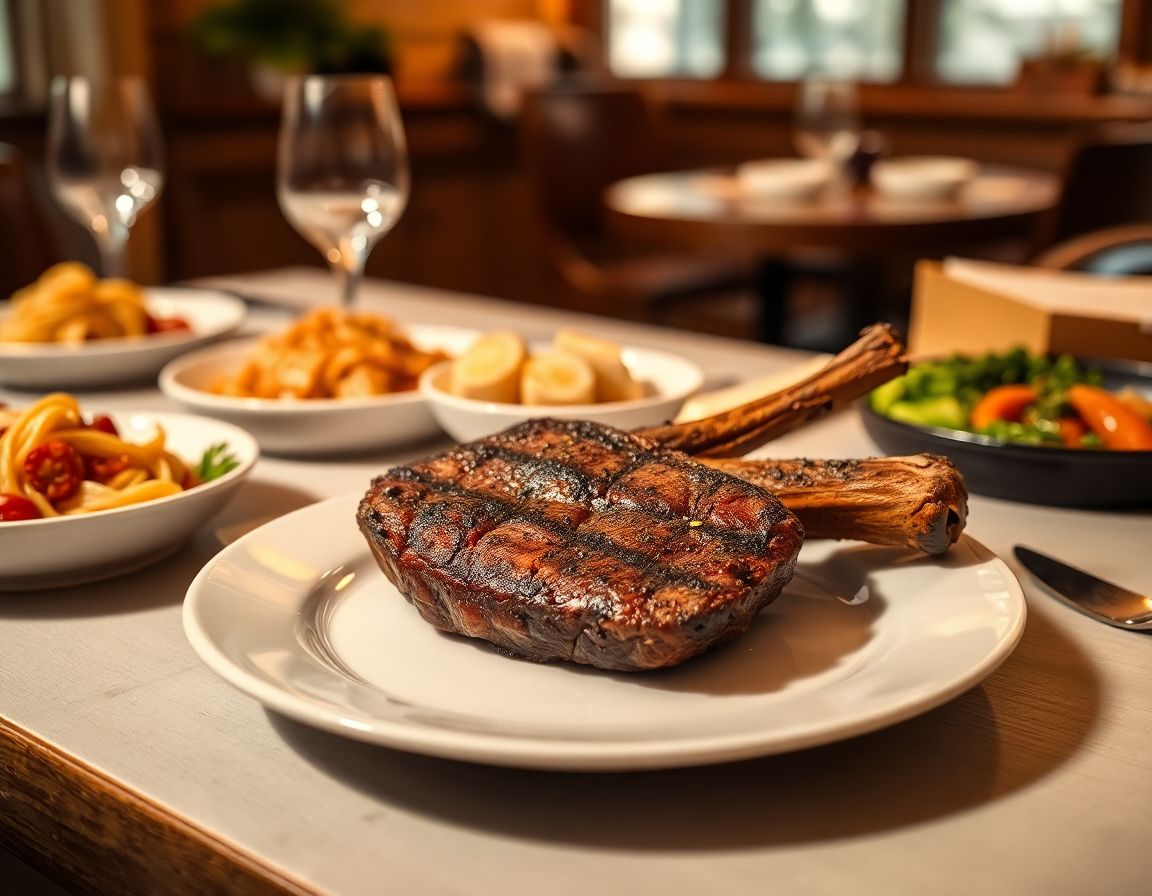
Okay, so it's Sunday dinner. Your mom made her famous lasagna, your aunt brought a pie, and there's a bread basket the size of a small ottoman. And there you are, with your steak, feeling like you just walked into the room wearing a sandwich board that says "ask me about my diet." We've all been there. Being the only carnivore at the table is its own little social sport, and nobody hands you the rulebook.
Here's the thing. You don't have to win the dinner. You don't have to convert anyone, and you definitely don't have to apologize. You just have to get through the meal with your relationships intact and your plate the way you like it. Let's talk about how.
The concerned mom (and every relative who loves you)
Real talk: The person who worries the most usually loves you the most. Your mom isn't trying to sabotage you when she says "but where do you get your fiber?" She's scared you're going to keel over between the salad and dessert. That fear is coming from a good place, even when it lands like a lecture.
So don't meet worry with a debate. Meet it with reassurance. Something like, "I know it looks wild, but I actually feel better than I have in years. I promise I'm getting checked out and keeping an eye on things." That's it. You're not defending a thesis. You're telling someone who loves you that you're okay.
Nine times out of ten, the concern isn't really about macros. It's about connection. When you answer the feeling instead of the question, the tension drops fast.
The "just one bite" pressure
Okay, this one's sneaky. "Just one bite won't hurt." "I made this special." "One piece of bread, come on." It's rarely about the food. It's about feeling rejected. When Grandma's pie sits untouched, some part of her feels like her love got turned down.
So aim your yes at the person, not the plate. Try, "It looks amazing and I love that you made it. I'm just not eating it right now, but tell me about it because it smells incredible." You're accepting the gesture while declining the item. Those are two different things, and most people just want the gesture acknowledged.
If they keep pushing, a warm broken record works better than a new argument. "I'm good, thank you though." Repeat, smile, change lanes. You don't owe anyone an escalating explanation for a food you politely passed on.
The goal isn't to make them understand carnivore. The goal is to make them feel loved while you eat your steak. Those two things can happen at the same time.
The guy who wants to debate nutrition at the table
Every family has one. Somebody read an article, watched a documentary, or has a cousin who's a nurse, and now they want to litigate your arteries over mashed potatoes. And here's my honest advice: do not take the bait.
You will not win a nutrition debate at a dinner table. Nobody wins those. The steaks are cold by the end and everyone's a little annoyed. This isn't the moment to cite studies or explain ketosis. It's the moment to protect the vibe.
My favorite move is the friendly deflection. "You know, there's a ton of back and forth on this stuff. I'm just doing what works for my body right now. Anyway, did you see the game?" You're not conceding. You're refusing to turn dinner into a courtroom. If they genuinely want to learn, tell them you'll send them something later. Then actually change the subject.
People who want to fight will keep pushing. People who want to understand will take you up on the later conversation. The table sorts them out for you.
Scripts that actually work
Sometimes you just need the words ready so you're not scrambling. Here are the ones the community leans on again and again:
- "I'm doing an elimination thing right now, so I'm keeping it simple." (People understand "elimination" way better than "carnivore.")
- "My stomach's been sensitive, this just keeps things easy for me." (Nobody argues with a sensitive stomach.)
- "I feel great on it, so I'm riding it out for a while." (Personal, hard to debate.)
- "Honestly I'd rather not talk food at dinner, tell me what's going on with you." (Redirect gold.)
Notice none of these are about proving carnivore is right. They're exit ramps, not billboards. The less you frame it as a movement, the less people feel a need to argue with it.
When to explain, when to just eat
Here's my rule of thumb. Explain when someone's genuinely curious and calm. Don't explain when someone's looking for a fight or when the whole table's about to swivel toward you. Read the room and pick your battles, which mostly means picking no battles.
Most of the time, the strongest move is to just eat your steak, ask people about their lives, and let your good mood do the talking. When you're relaxed and not making it a thing, other people stop making it a thing too. Awkwardness is contagious, but so is ease. If dealing with comments about your food is a regular struggle, I dug into that whole dynamic in a piece on handling comments about your plate that goes deeper on the not-defensive mindset.
Bring a dish (this is the cheat code)
Okay, if I could tattoo one tip on every new carnivore's brain, it's this: bring something. Show up with a plate of meatballs, some bacon-wrapped anything, or a big platter of steak bites, and half your problems vanish before you sit down.
Why does this work so well? Because now you're a contributor, not a problem to solve. The host isn't scrambling to feed you, your mom sees you eating happily, and bonus, non-carnivores usually crush your dish and suddenly it's a hit instead of a weird diet thing. You brought food to share. That's just being a good guest.
It also quietly takes the target off your back. When your plate is full of something you brought and clearly enjoy, the "aren't you hungry?" comments basically evaporate. Eating out is its own beast, and I covered the restaurant version of this in a post about the awkward looks you get from servers when you order off-menu.
Keep the relationship bigger than the plate
Here's what I really want you to take home. The people at that table are going to be in your life long after this week's grocery haul is gone. Your mom, your siblings, your weird uncle. They matter more than whether they get why you eat the way you do.
So let the small stuff go. If someone's a little pushy, they're probably just worried or feeling rejected, and you can defuse that with warmth instead of facts. You don't have to be right at dinner. You just have to be someone people still want at dinner.
Eat your steak. Ask about their week. Laugh at the same old jokes. Nobody at that table is going to remember your macros in ten years. They'll remember whether you were fun to sit next to. Be that person, and the food takes care of itself.
I'm not a doctor, I'm just someone who's deep in the community and reads everything. Take all the health stuff with a grain of salt (pun intended). I can tell you what works socially and what people are actually doing, but you gotta make your own calls. And if you've got a medical condition or you're on any medications, loop in your actual healthcare provider before changing how you eat. That's their department, not mine.