
This post may contain affiliate links. For educational purposes only — not medical advice. Details
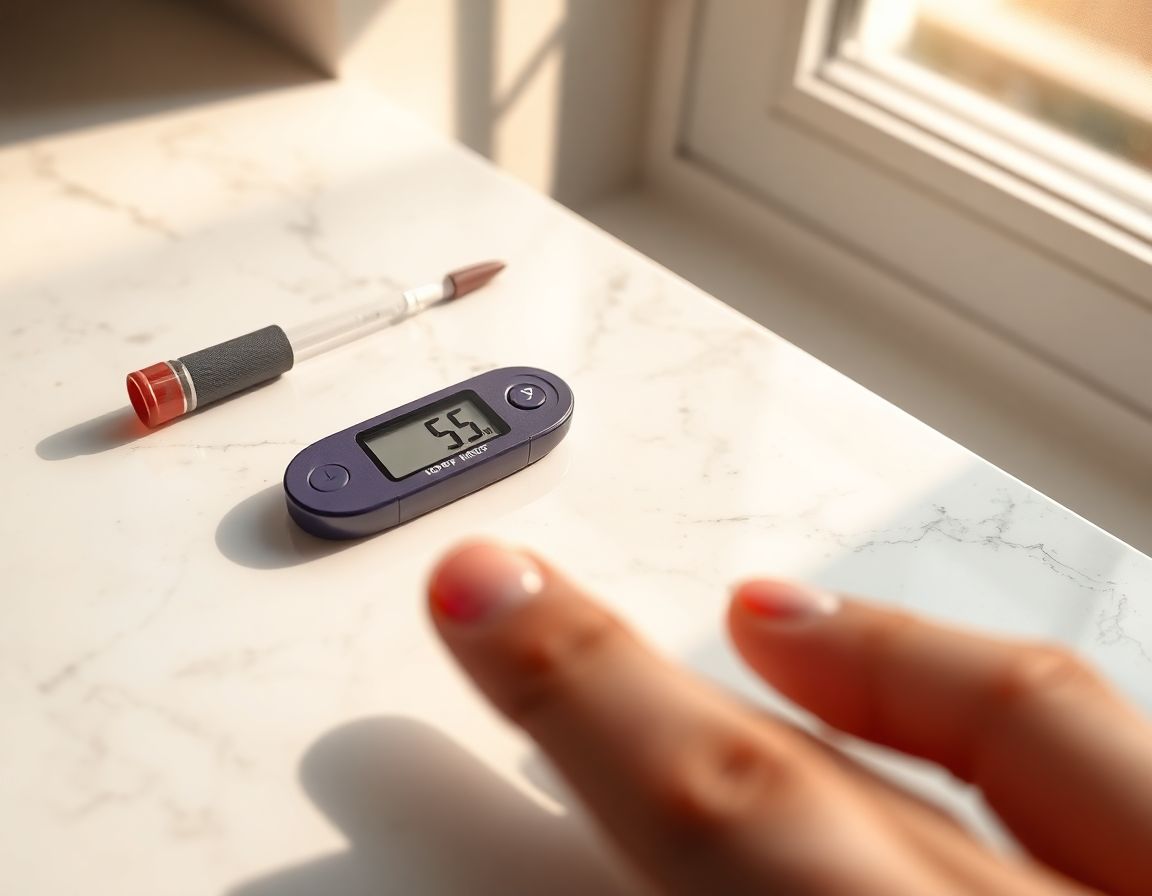
Okay, So Everyone's Suddenly a Ketone Scientist
You know the posts. Someone pricks their finger, snaps a photo of their blood ketone meter, and captions it "my levels are kinda crazy right now, is this normal??" The number is like 5.8. The comments explode.
Real talk: I see at least three of these a week. And they always blow up. People love them. There's something about a high ketone reading that turns the whole community into a group chat of impressed strangers.
So what's actually going on here? Why are we all so obsessed with a decimal point on a little screen? Let's get into it.
Why the "My Levels Are Crazy" Posts Go Viral
Here's the thing. Ketone tracking gives you a number, and numbers feel like proof. When you're eating a diet most people think is unhinged, having a stat that says "yep, your body is doing the thing" is weirdly comforting.
It's the same reason people screenshot their step count or their deadlift PR. A high ketone reading feels like a gold star. And posting it? That's just showing your friends the gold star.
Then there's the competitive part. Nobody wants to admit it, but a 5.0 reading kind of feels like a flex. Someone posts a 3.2 and someone else goes "cute, I hit 6.1 this morning." And now we're basically doing keto Olympics.
The engagement makes sense too. These posts invite everyone to chime in. People share their own numbers, ask questions, argue about meters. It's participation bait, and it works every single time.
What a High Ketone Number Actually Means
Now here's where I have to be honest with you. A big ketone reading doesn't mean what a lot of people think it means.
High blood ketones usually just mean your body is running low on glucose and burning fat for fuel. That's it. It's a fuel-source readout, not a scoreboard.
And a really high number often shows up when you're fasted, eating fewer carbs than usual, or just haven't eaten in a while. It can also spike when you're new to all this and your body hasn't figured out how to use ketones efficiently yet.
So that 5.8 someone's bragging about? It might just mean they skipped breakfast and their body's flooding the system with ketones it isn't fully using. Higher isn't automatically better. It's just higher.
The Stuff That Actually Moves Your Number
If you've ever wondered why your readings bounce around, it's usually one of these:
- Fasting. Skip a meal or two and your number climbs. Not magic, just biology.
- How adapted you are. Newer folks sometimes read higher because they're not using ketones well yet. Adapted people often read lower because their body's actually burning them.
- Exercise. A hard workout can spike or drop your reading depending on timing.
- Sleep and stress. Both mess with the number more than people expect.
- Your meter. Blood, breath, and urine strips all measure different things and tell different stories.
That last one matters. Someone posting a wild breath-meter reading isn't measuring the same thing as your blood strips. Comparing them is like comparing your bank balance to someone else's credit score.
Does Chasing the Number Even Matter?
Here's my slightly unpopular take. For most people eating this way, the number is interesting but not the point.
You didn't start eating steak and eggs to hit a ketone benchmark. You did it because you wanted more energy, or you wanted your joints to stop yelling at you, or you were tired of the food noise in your head.
Those are the wins that actually matter. And here's the kicker: you can feel amazing with a "boring" ketone reading of 1.0, and you can feel like garbage at 5.0. The number on the meter doesn't know how you slept or how your knees feel.
Some people genuinely need to track. If you're managing a specific health situation with your doctor, that data can be really useful. For that crowd, precision is the whole game, and that's a real thing.
But for the average person eating carnivore and doing great? You're pricking your finger four times a day to win an argument with yourself. And those test strips add up fast.
The Trap Nobody Warns You About
The sneaky problem with number-chasing is that it can quietly stress you out. I've watched people in the community spiral because their reading "dropped" and they assumed they were doing something wrong.
Nine times out of ten they weren't. They were just more fat-adapted, which is the goal. But the meter made them feel like they were failing at the exact moment they were succeeding.
That's the part that gets me. A tool that's supposed to give you confidence starts giving you anxiety instead. And now you're chasing a higher number to feel okay, which is a weird place to end up.
If tracking makes you feel calm and curious, great, keep going. If it's turning your kitchen into a lab and your feelings into a graph, maybe put the meter in a drawer for a couple weeks and see how you actually feel.
So What Should You Actually Do?
Track if you like data. Skip it if you don't. Neither one makes you a better or worse carnivore.
If you do test, use it to learn about your own body, not to compete with strangers online. Your baseline is yours. What spiked your neighbor's reading might do nothing for you.
And when you see the next "my levels are kinda crazy" post? Enjoy it for what it is. A little dopamine hit and a fun community moment. Just don't let it convince you that your very normal number means you're doing it wrong.
You feeling good is the metric that counts. The meter's just a hobby.
I'm not a doctor. I'm just someone who's deep in the community and reads everything. I can tell you what people are trying and what's trending, but your ketone numbers and your health are your own call. If you're managing a medical condition or on any medications, work with your healthcare provider before changing anything. Take all of this with a grain of salt. Pun very much intended.