This post may contain affiliate links. For educational purposes only — not medical advice. Details
Yes, People Do Keto Without Exercise. Here's What Actually Happens.
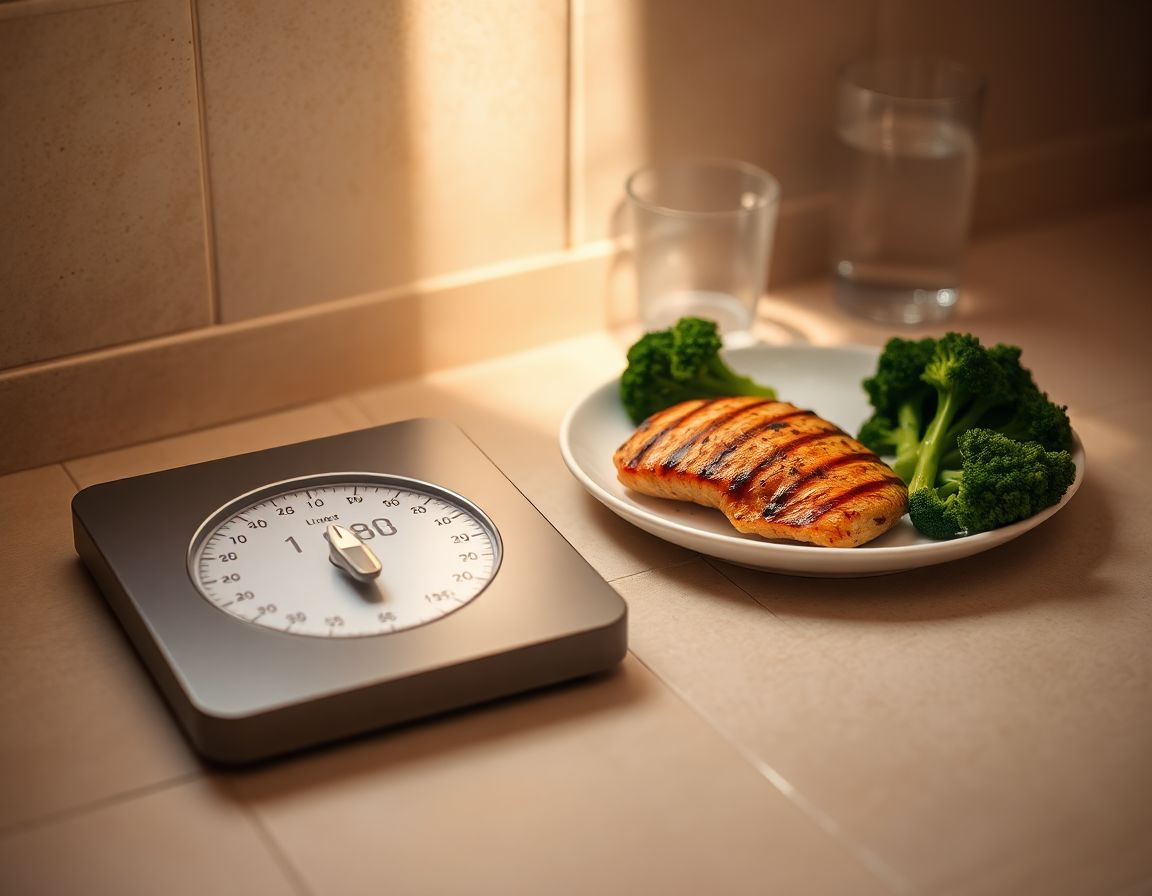
Let's get the big question out of the way. Can you lose fat on keto without stepping foot in a gym? Yes. You can.
Fat loss comes down to energy balance and hormones, not burpees. Keto handles both without you lifting a single weight. But "yes" is only half the answer. The real question is what kind of body you end up with.
I've coached people through both paths. The diet-only crowd and the diet-plus-training crowd. Both lose weight. They don't end up in the same place. Here's the honest breakdown.
What Happens With Diet Only
Cut carbs, control calories, and your body starts pulling from fat stores. On keto this happens fast because you drop water weight early and appetite usually drops too.
Most people see 1 to 2 pounds of fat loss per week once they're adapted. That's real. That shows up on the scale and in the mirror.
Here's the math nobody wants to hear. When you lose weight without training, some of that loss is muscle. Research puts it at roughly 20 to 30 percent of total weight lost coming from lean mass when you diet without any resistance work.
So if you drop 20 pounds, 4 to 6 of those pounds might be muscle. Your bodyweight goes down. Your body composition doesn't improve as much as you'd hope.
Without training, your macros carry the whole load
KetoDial is our keto sister site. It sets protein high enough to protect the muscle you have, then builds the fat and carb numbers around it.
Get your keto targets ›Why Muscle Loss Matters More Than You Think
Muscle isn't just for looking good. It's your metabolic engine. More muscle means you burn more calories at rest, every single day.
Lose muscle and your metabolism slows. That's the trap behind the classic "I lost weight but gained it all back" story. People diet off muscle, their metabolism drops, and the weight comes back with interest.
This is the single biggest reason I push people toward some form of resistance training. Not to get jacked. To protect the engine you already have.
Where Keto Actually Helps
Good news. Keto is better at protecting muscle than most diets, even without exercise.
Two reasons for this:
- Protein intake tends to be high. Meat, eggs, and fish are the base of the diet. Protein is the number one nutrient for holding onto muscle during a cut.
- Ketones spare muscle. When you're in ketosis, your body burns fat and ketones for fuel instead of breaking down muscle for energy. That's the whole point of the metabolic switch.
So keto gives you a head start. You'll hold more muscle than someone doing a low-fat, low-protein diet with the same calorie deficit. The math still favors you doing a little more.
The Minimum Effective Dose of Movement
Here's where I'll be straight with you. You don't need to train like an athlete. You need a floor.
The difference between zero training and two short sessions a week is massive for muscle retention. We're talking about the gap between losing 25 percent muscle and losing almost none.
Here's the protocol I give beginners who "don't exercise":
- Two resistance sessions per week. 20 to 30 minutes each. Bodyweight squats, push-ups, rows, and a plank. That's it.
- Walk daily. Aim for 7,000 to 8,000 steps. This burns fat without eating into recovery.
- Hit your protein. Shoot for 0.7 to 1 gram per pound of goal bodyweight. This does more for muscle than any workout.
Notice the order. Protein first, walking second, lifting third. If you only fix one thing, fix protein. It does the heavy lifting even when you don't.
What the Scale Won't Tell You
If you go diet-only, the scale will move and you'll feel like it's working. It is. But two people can weigh the same and look completely different.
The diet-plus-training person at 170 pounds looks lean and firm. The diet-only person at 170 pounds often looks softer, what people call "skinny fat." Same weight, different body.
That's the trade-off. Diet alone gets you a smaller version of your current shape. Add resistance work and you get a better shape, not just a smaller one.
So Who Should Do Keto Without Exercise?
Some people genuinely can't train right now. Injury, recovery, a schedule that's slammed, or just starting from a place where the gym feels like too much. That's fine.
If that's you, do keto anyway. Losing fat is still a win for your health, your blood sugar, and your energy. Don't let "I can't work out yet" stop you from fixing your diet today.
Just know the plan. Get the fat off with keto now. Add the two short sessions when life allows. You'll lock in the results instead of watching them slip.
The Bottom Line
Keto without exercise works for fat loss. Full stop. It's a legit path and plenty of people have done it.
But movement isn't about burning calories. It's about keeping the muscle that keeps your metabolism running. The two sessions a week aren't optional if you care about how you look and how you keep the weight off.
Start with the diet. Nail your protein. Add a little strength work when you can. That's the order that wins.
I'm not a doctor. I've coached people and competed myself, so I know what works. But I'm not your doctor. If you have health issues or take meds, check with someone qualified before changing your diet or starting a training program. Everything here is based on what works in practice and what research supports. Your mileage may vary.