This post may contain affiliate links. For educational purposes only, not medical advice. Details
One Meal. All Your Protein. Here's What That Actually Looks Like.
A 292-upvote OMAD post hit r/carnivorediet this week. Steak, eggs, maybe some salmon. The comments? Immediately split into two camps: "Looks incredible" and "Where's the fat?"
Stop overthinking it. Let's break down what real carnivore OMAD plates look like, the protein math behind them, and why the fat debate keeps coming back.
The Protein Math: Hitting 140-170g in One Sitting
Here's the protocol. If you're eating once a day on carnivore, you need to pack your entire daily protein target into a single window. For most people, that's somewhere between 140g and 170g. Some bigger athletes push toward 200g.
Here's what that looks like in actual food:
- 16 oz ribeye steak: approximately 90g protein, 80g fat
- 4 large eggs: approximately 24g protein, 20g fat
- 6 oz salmon or sashimi: approximately 34g protein, 12g fat
That plate alone gets you to roughly 148g protein. Add butter on the steak and you're looking at a 1,400-1,600 calorie meal with solid macro coverage. The math doesn't lie.
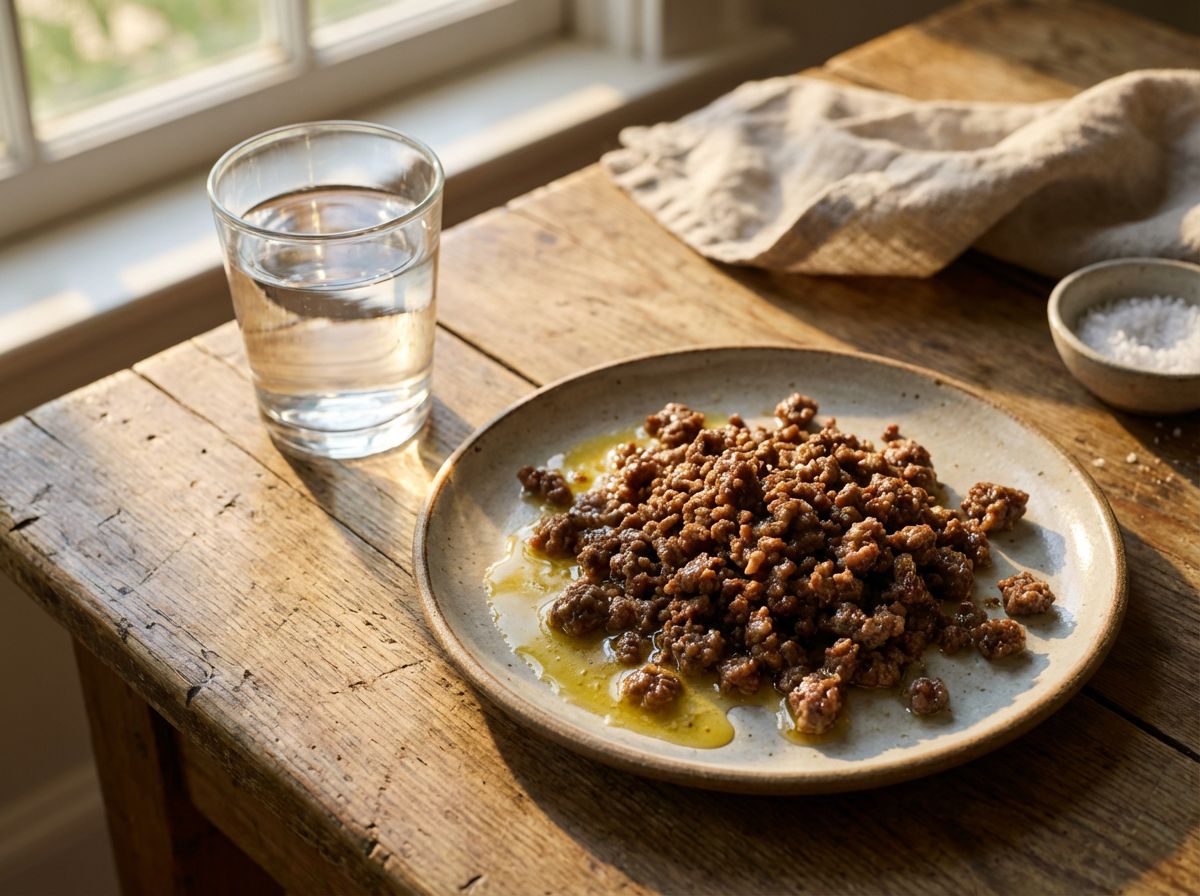
If you're trying to keep it simple, a pound of ground beef (80/20) gives you about 77g protein and 92g fat. Double it, and you've hit your target without touching a single pan more than once. We covered the full ground beef breakdown in our ground beef budget guide if you want the numbers.
The "Needs More Fat" Debate
Every OMAD post on Reddit gets the same comment. "Needs more fat." It happened again this week. Someone posted a lean-looking steak plate and two commenters jumped in immediately: "Where's the fat?" and "Need more fat!"
Here's the thing. They're not wrong, but they're not always right either.
If you're eating OMAD and your steak looks lean, you're probably pulling about 35-40% of your calories from fat. That's fine for some people, especially if you're actively trying to lose body fat. Your body can pull the remaining energy from stored fat. That's literally the point.
But if you're maintaining weight or trying to fuel performance, you need dietary fat to cover the gap. A lean OMAD plate can leave you feeling wired, jittery, or just plain unsatisfied. We covered this phenomenon in detail in our post on fat thirst and sluggishness.
The protocol: If you're losing weight, lean is fine. If you're maintaining, add fat until you feel full. Don't let Reddit decide your macros.
3 OMAD Plate Templates That Actually Work
Based on what people are posting and what gets results, here are three plates that hit the numbers.
Template 1: The Ribeye Standard
- 16 oz ribeye, cooked in tallow
- 4 eggs scrambled in butter
- Salt generously
Totals: approximately 150g protein, 120g fat, 1,700 calories. This is the default OMAD plate for a reason. Ribeye brings its own fat, eggs fill in the protein gaps, and butter rounds everything out.
Template 2: The Budget OMAD
- 1.5 lbs ground beef (80/20), pan-fried
- 3 eggs cooked in the rendered fat
- 2 tbsp butter melted on top
Totals: approximately 140g protein, 140g fat, 1,800 calories. Ground beef and eggs. That's it. This costs roughly $6-8 depending on your area and it covers everything. For more on keeping carnivore affordable, check our budget meals under $3 guide.
Template 3: The Surf and Turf
- 12 oz NY strip steak
- 6 oz salmon (or sashimi if you're feeling it)
- 2 eggs
- 1 tbsp butter
Totals: approximately 148g protein, 85g fat, 1,400 calories. This is the plate from that viral Reddit post. Lower fat, higher protein density. Works great if you're in a fat loss phase and want variety.
Timing and Digestion: When to Eat Your One Meal
Most OMAD carnivores eat between 4 PM and 7 PM. There's no magic here. It's just practical. You skip breakfast, skip lunch, and eat a proper dinner.
The one thing I'd flag: eating a 1,500+ calorie meal takes time. Don't rush it. Give yourself 30-45 minutes to eat. Your stomach needs to expand, your satiety signals need time to register, and you want to actually chew your food.
Some people report better digestion when they start with the fattier items (eggs in butter, fatty trimmings) before moving to the leaner steak. This isn't backed by controlled studies, but it makes sense from a gastric motility standpoint. Fat slows stomach emptying and primes your digestive enzymes.
Common OMAD Mistakes
Mistake 1: Not eating enough. The most common failure mode. People eat OMAD but only manage 800-1,000 calories because they can't physically eat more. If that's you, OMAD isn't your protocol right now. Try two meals a day instead.
Mistake 2: All protein, no fat. Chicken breast OMAD is a recipe for rabbit starvation and misery. You need fat for energy and satiety. Don't fear it.
Mistake 3: Forcing OMAD from day one. If you're new to carnivore, eat when you're hungry. OMAD usually happens naturally after 4-8 weeks when your appetite regulates. Don't force the timeline.
Mistake 4: Ignoring electrolytes. One meal means one chance to get your sodium and potassium. Salt your food heavily and consider an electrolyte supplement. We covered the full protocol in our electrolyte deficiency guide.
The Bottom Line
OMAD on carnivore works. It simplifies your day, saves prep time, and most people find their appetite naturally pushes them toward one meal anyway. The key is hitting your protein target (140-170g minimum) and adjusting fat based on your goals.
Don't let Reddit comments about "needing more fat" override your own results. Track your energy, your weight, and your performance. If those numbers are moving the right direction, your plate is fine.
Protocol over opinions. Always.
I'm not a doctor. Everything here is based on what works in practice and what research supports. If you have health issues or take medications, check with someone qualified.