
This post may contain affiliate links. For educational purposes only — not medical advice. Details
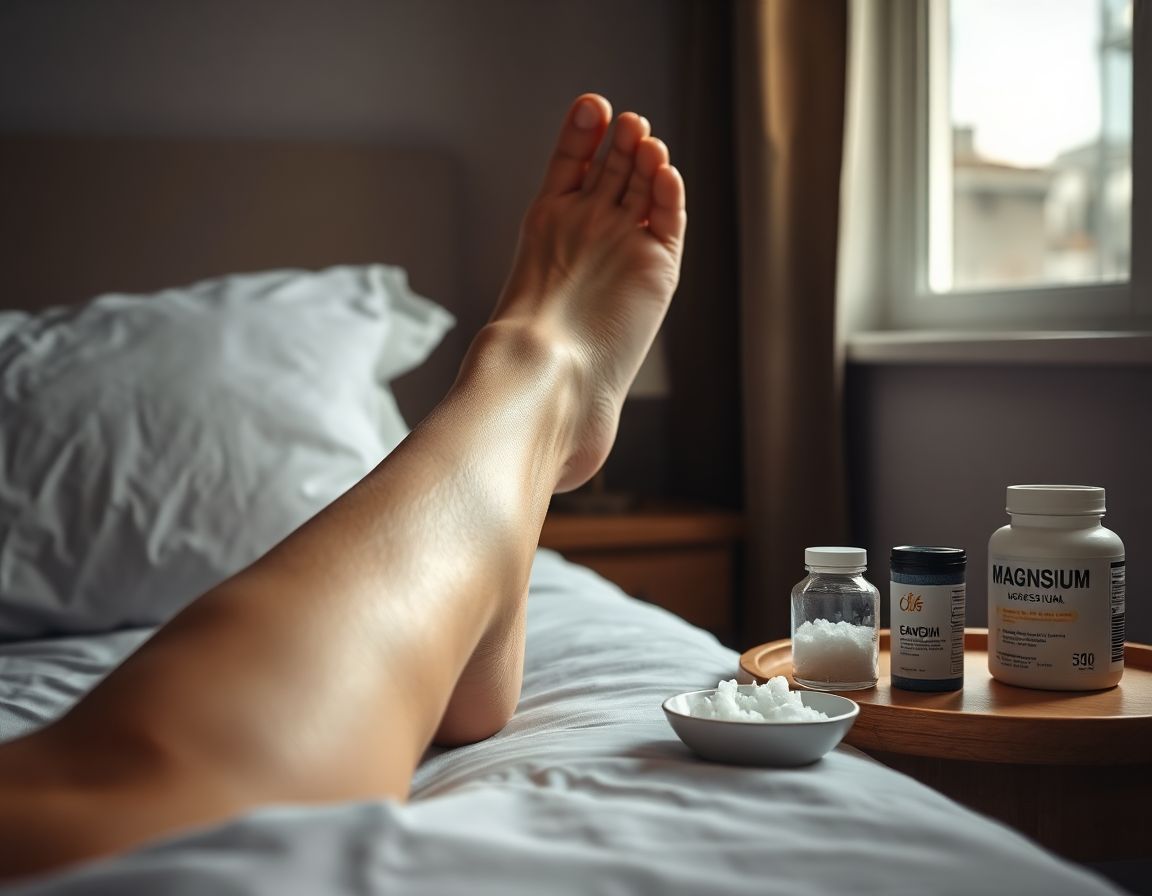
Those Cramps at 2 AM Aren't a Mystery
If you've been on keto or carnivore for a few weeks, you've probably felt it. That sudden charley horse in your calf that jolts you awake. Or the toe that curls on its own while you're just sitting there. The forums are full of "awful cramps, help!" posts, and honestly, I get why. Cramps are one of the most common early complaints I hear.
Here's the good news. Most of the time, cramps come down to electrolytes and water, not something scary. When you cut carbs, your body dumps water fast, and it flushes minerals out with it. Sodium, potassium, and magnesium all drop. Your muscles need those minerals to relax, so when they run low, your muscles seize.
Let me walk you through this like a decision tree. Start at the top, work your way down, and stop when something fits your situation.
Step 1: Are You Getting Enough Salt?
This is where I'd start with almost everyone, because low sodium is the number one cause. On a low-carb diet, your kidneys release way more sodium than they used to. Most people need a lot more salt than they think.
Ask yourself: are you salting your food generously, or are you still eating like someone who's watching their salt?
Research suggests many people on very low-carb diets do well with roughly 4 to 6 grams of sodium a day, which is more than the standard advice. That sounds like a lot, but remember you're not holding onto it the way you used to.
- Salt your meat until it actually tastes salty.
- Try a cup of warm broth in the afternoon or before bed.
- Add a pinch of salt to your water, especially if you sweat a lot or live somewhere warm.
If you bumped up your salt for a few days and the cramps eased off, you found your answer. If not, keep going.
Step 2: How's Your Water Intake?
This one surprises people, because it can go both ways. Too little water means less fluid for your muscles to work with. But too much water without enough salt can actually dilute your sodium and make cramps worse. That's a real thing.
Here's what I've seen work. Drink to your thirst, not to hit some giant number on a water-tracking app. If you're chugging a gallon a day and still cramping, you might be washing out your electrolytes faster than you're replacing them.
So the fix isn't always more water. Sometimes it's the same water with more salt in it. Pair your fluids with sodium and see how you feel.
Step 3: Are You Low on Magnesium?
If you've fixed your salt and water and the cramps still show up, especially at night, magnesium is my next suspect. Magnesium is the mineral that helps muscles relax after they contract. When it's low, your muscles have trouble letting go.
The tricky part is that most of us walk in already low on magnesium, before keto even enters the picture. Modern soil and processed food don't give us much. So keto doesn't create the problem, it just uncovers it.
Foods that help include:
- Beef, especially organ meats.
- Fish like salmon and mackerel.
- Eggs.
- A little dark chocolate or some pumpkin seeds if you eat some plants.
A lot of people find a magnesium supplement helpful here, particularly forms like magnesium glycinate or citrate, which tend to absorb well and are gentle on the stomach. Take it in the evening and you might sleep better too. Start low, because too much too fast can loosen your bowels.
Step 4: Don't Forget Potassium
Potassium is the last piece, and it works hand in hand with sodium. When one is off, the other struggles. Potassium helps your muscles and nerves fire correctly, so low levels can leave you crampy, weak, or just off.
The nice thing is that a meat-heavy diet already gives you a decent amount. But if you've cut way back on food volume or you're fasting a lot, you might come up short.
- Beef, pork, and chicken all carry potassium.
- Salmon and other fatty fish are solid sources.
- Avocado is a favorite if you eat some plants.
A quick word of caution here. Potassium is one mineral you don't want to megadose with supplements on your own. Getting it from food is safer, and too much potassium too fast can stress your heart. So lean on your plate for this one.
Putting It All Together
So here's your simple order of operations. Salt first, because it fixes the most cases. Then check your water, making sure you're pairing it with sodium. Then add magnesium if nighttime cramps hang around. Then make sure potassium is covered through your food.
Most people crack their cramp problem somewhere in those first three steps. Give each change a few days before you decide it didn't work, because your body needs a little time to catch up.
One more thing worth saying. The early weeks are usually the worst for cramps, during that "keto flu" stretch when your body's still adjusting. It tends to settle down once you're fat-adapted and your electrolyte routine becomes a habit.
When Cramps Mean Something Else
Electrolytes explain the vast majority of keto cramps. But not every cramp is about minerals. If your cramps are severe, one-sided, come with swelling or redness, or just won't quit no matter what you try, please get that checked out. That's not a food fix, that's a see-a-professional situation.
The same goes if you take medications. Some blood pressure meds, diuretics, and other prescriptions change how your body handles sodium and potassium in a big way. If you're taking medications or have been diagnosed with any medical condition, you need individualized medical oversight. Don't make changes without consulting your doctor, especially before adding potassium or magnesium.
I'm not a doctor. I've researched this deeply and worked with many people, but I'm not your doctor. If you have health conditions, take medications, or need specific guidance, talk to someone who knows your full medical picture. Everything I write is educational based on research and what I've seen work. Your situation might be different.
Cramps are annoying, but they're usually your body asking for something simple. Start at the top of the tree, work your way down, and you'll likely find your fix. Sleep through the night again soon.