This post may contain affiliate links. For educational purposes only, not medical advice. Details
The Moment You Realize You Can't Eat Beef and Salt Forever
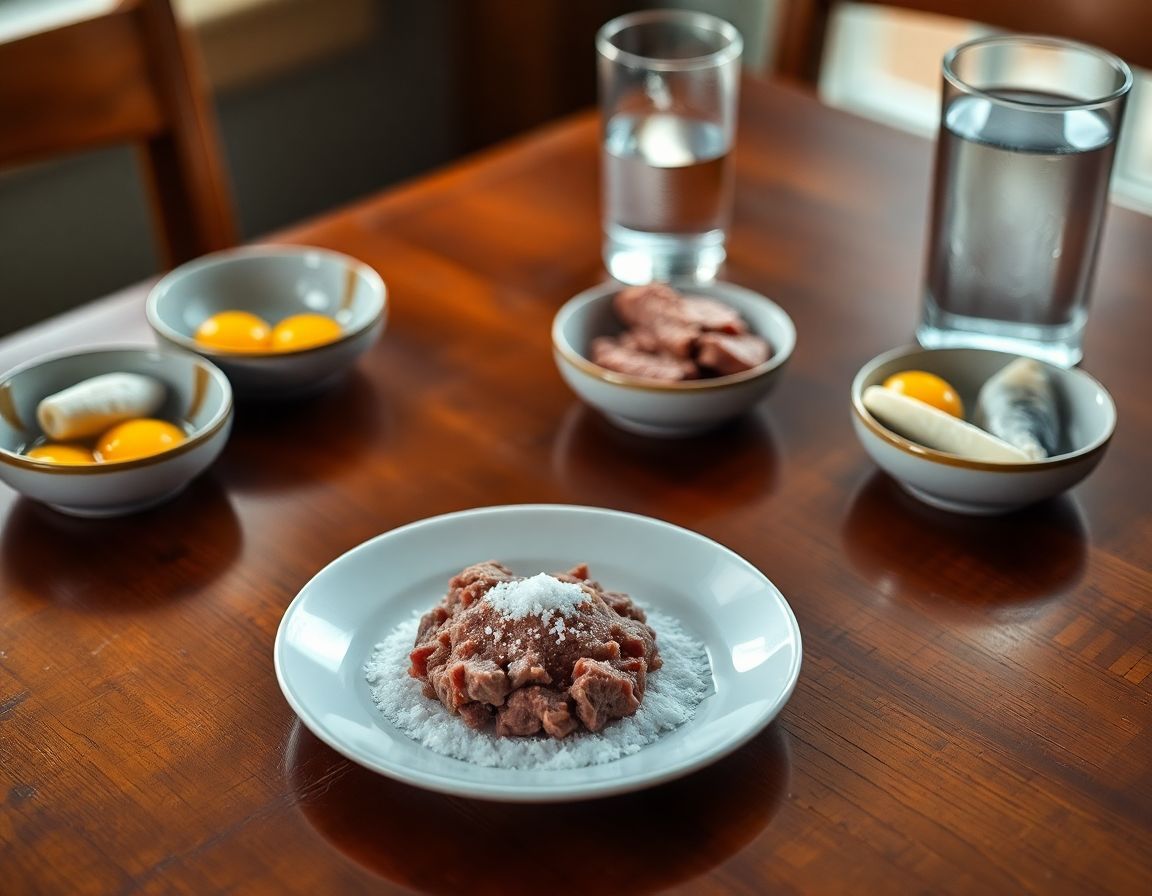
Okay, so you did the thing. You went full lion diet. Beef, salt, water. Maybe for 30 days, maybe for 90. Your skin cleared up, your gut calmed down, and you finally felt like a functioning human for the first time in years. Congratulations. Seriously.
Now comes the part nobody prepares you for: getting off it.
There's a thread blowing up on Reddit right now titled "I need help transitioning off lion diet" and the comments are a mix of genuine advice, total confusion, and people admitting they've been scared to add anything back for months. If that sounds familiar, you're not alone. The lion diet is incredibly effective as an elimination protocol, but it was never meant to be permanent for most people. The tricky part is figuring out what comes next.
Why People Get Stuck
Here's the thing. When something works this well, your brain starts building a fortress around it. You felt terrible before. You feel great now. The logical conclusion? Changing anything is a threat. And honestly, that instinct makes sense. If you came from years of autoimmune flares or digestive nightmares, the idea of rocking the boat feels genuinely dangerous.
But staying on beef, salt, and water indefinitely brings its own risks. Social isolation creeps in. You start declining dinner invitations. You stress about traveling. Some people develop a genuinely anxious relationship with food, which is the opposite of what the lion diet was supposed to accomplish.
The community talks about this more than you'd think. People quietly admit in DMs and comment threads that they're afraid of eggs. Eggs. An animal food that most carnivore eaters consume daily without a second thought. That fear is real, and it deserves a real strategy instead of just "listen to your body" which, while true, isn't exactly a roadmap.
The Two Mistakes Almost Everyone Makes
Mistake one: Adding everything back at once. You feel great after 60 days on lion, so you celebrate with a steak dinner that includes butter, eggs, bacon, cheese, and maybe some shrimp. Then you wake up the next morning with a headache and bloating and you have absolutely no idea which food caused it. Was it the dairy? The histamines in the bacon? The eggs? You've just wasted your entire elimination period because you turned reintroduction into a buffet.
Mistake two: Never adding anything back at all. This is the quiet one. Nobody posts about it because it doesn't feel like a problem. You just keep eating beef and salt because it's safe. Months pass. A year passes. Your diet has become a comfort zone disguised as a protocol, and the elimination phase that was supposed to be temporary has become your identity.
A Practical Reintroduction Order
The community has been crowdsourcing this for years, and while everyone's body is different, a general order has emerged that works for most people. The principle is simple: start with the least reactive animal foods and work outward.
- Week 1-2: Butter and ghee. These are almost pure fat with minimal protein, so they're unlikely to trigger reactions. If you react to butter, you probably have a casein sensitivity, which is useful information.
- Week 3-4: Eggs (yolks first). Egg yolks are less reactive than whites for most people. Try two yolks with your steak for three days. No reaction? Add the whole egg.
- Week 5-6: Other ruminant meats. Lamb, bison, elk. These are close relatives of beef and rarely cause issues, but they're worth testing individually.
- Week 7-8: Pork and poultry. These are more likely to cause reactions than ruminants, especially if histamine intolerance is part of your picture. Go slow.
- Week 9-10: Seafood. Fish and shellfish. Start with low-histamine white fish before moving to salmon or shrimp.
- Week 11-12: Hard cheese and fermented dairy. Aged cheese and heavy cream. If you've tolerated butter, there's a good chance you'll handle these, but not always.
The golden rule: one new food at a time, minimum three days before adding the next. Keep a simple log. It doesn't need to be fancy. Just write down what you ate and how you felt. Gut, energy, skin, mood, sleep. That's your data.
What Counts as a Reaction
This trips people up more than you'd expect. Not every gurgle or weird feeling means a food is off the table. Your gut has been running a very simple program for weeks or months. Introducing new inputs will cause some temporary adjustment.
Real reactions to watch for:
- Return of symptoms you had before lion diet (joint pain, skin flares, brain fog)
- Significant digestive distress lasting more than 48 hours
- Sleep disruption that correlates clearly with the new food
- Mood changes (anxiety, irritability) that weren't present before
Temporary reactions that usually resolve:
- Mild bloating the first day you eat eggs after months without them
- Slightly different digestion as your gut adjusts to new fats
- A day of lower energy as your system processes something unfamiliar
If you're dealing with a specific autoimmune condition, your reintroduction deserves extra patience. People healing from autoimmune conditions on carnivore often need longer windows between new foods, sometimes a full week instead of three days. That's okay. This isn't a race.
The Emotional Side Nobody Talks About
Real talk: leaving the lion diet can feel like losing your safety net. And for people who spent years sick before finding it, that safety net was life-changing. Letting go of it, even partially, can bring up real anxiety.
Some things the community has found helpful:
- Reframe the goal. You're not abandoning lion diet. You're graduating from it. The elimination phase did its job. Now you're building a sustainable long-term way of eating that's informed by everything you learned.
- Keep your baseline. You can always go back. If you add eggs and something goes sideways, drop back to beef and salt for a few days. The safety net doesn't disappear just because you stepped off it.
- Talk to people who've done it. The Reddit threads, the Discord servers, the YouTube comments. Hundreds of people have walked this exact path. You don't have to figure it out alone.
One thing I've noticed in the community is that people who plan their reintroduction feel dramatically more confident than people who wing it. Having a written schedule takes the anxiety out of the decision-making. You're not wondering "should I try something new today?" because the plan already answers that question.
When Reintroduction Stalls
Sometimes you add a food and things go sideways, and it's tempting to panic. Before you do, check the basics. Are you sleeping enough? Are your electrolytes solid? Are you stressed about something unrelated that might be amplifying your symptoms? If you're hitting stalls during reintroduction, a lot of the same troubleshooting principles for diet stalls apply here too. Context matters.
If a food genuinely doesn't work for you right now, table it. Try again in three months. Bodies change. What triggers a reaction today might be perfectly fine after more healing time. This is a long game.
The Goal Was Never Beef Forever
The lion diet is one of the most powerful tools in the carnivore toolbox. It strips everything down so your body can heal and you can identify exactly what was causing problems. But the tool serves you. You don't serve the tool.
The goal was always to get to a place where you can eat a wider range of nutrient-dense animal foods without your body fighting you. For some people that's a broad carnivore diet with eggs, dairy, organs, and seafood. For others it's more limited. Both are fine. What matters is that you made the choice from a place of knowledge, not fear.
Take your time. Trust the process you already proved works. And remember that the community has your back.
I'm not a doctor. I'm just someone who's deep in the community and reads everything. Take all health stuff with a grain of salt (pun intended). I can tell you what people are trying and what's trending, but you gotta make your own calls. I'm here to give you the real tea, not medical advice.